
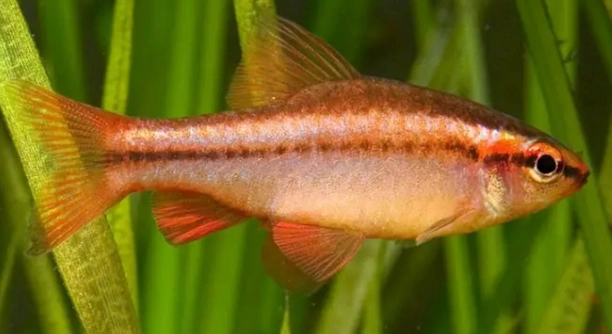
Cherry barbs are a popular aquarium fish known for their vibrant colors. However, sometimes they lose their color, leaving you concerned about their well-being. This article will guide you through the reasons behind color loss and how to address it.
The loss of color in cherry barbs is typically caused by stress, poor water conditions, or inadequate diet. Changes in their environment or improper care can lead to the fading of their natural hues, which may affect their health.
Understanding the factors that contribute to their color fading can help restore your cherry barb’s vibrancy. By following a few simple steps, you can address these issues and ensure they remain healthy and colorful.
Common Causes of Cherry Barb Color Loss
Cherry barbs are sensitive to various factors that can cause them to lose their color. One of the main reasons is stress. If they are placed in an environment that’s too noisy, too bright, or has rapid temperature changes, their colors can start to fade. Another significant factor is poor water quality. High levels of ammonia, nitrites, or nitrates in the water can stress out the fish, leading to a dull appearance. Additionally, if the water pH or temperature is outside their ideal range, cherry barbs may not show their natural bright colors.
Stress is not only about the environment. Cherry barbs are social creatures, and they thrive in schools. Keeping them alone or with aggressive tank mates can affect their mental and physical health. A lack of proper diet is another common reason behind color loss. When they don’t receive the nutrients they need, such as carotenoids that enhance their red coloration, their colors begin to fade.
By addressing these issues, you can help your cherry barb regain its vibrancy. Improving their living conditions, diet, and tank mates can make a noticeable difference in their appearance.
How to Fix Cherry Barb Color Loss
A few fixes can restore your cherry barbs’ colors. The first is improving water quality. Regular water changes are essential to maintain low levels of toxins and bacteria. Make sure to monitor the ammonia, nitrite, and nitrate levels in the tank regularly. Also, maintaining the right pH and temperature will help your fish feel more comfortable and less stressed.
To address dietary needs, feed your cherry barbs high-quality, varied food that includes ingredients like spirulina, krill, and other color-enhancing elements. This can help boost their coloration over time. Adding a school of cherry barbs will also improve their overall well-being, reducing stress and allowing them to feel more secure in their environment.
The Importance of Proper Tank Environment
Cherry barbs need stable and appropriate water conditions to thrive. Fluctuating temperatures or poor water parameters can cause them stress, leading to color loss. Maintaining a clean tank and stable water conditions is essential for keeping them vibrant.
Ensure that the water temperature stays between 74-79°F (23-26°C), which is ideal for cherry barbs. You should also monitor the pH levels and keep them between 6.0 and 7.5. Ammonia and nitrite should always be at zero, and nitrates should be below 20 ppm. Regular water changes will help maintain these levels, preventing any negative effects on your fish’s health. A filter will also help keep the water clean.
Investing in a high-quality water testing kit and performing regular maintenance on your tank will go a long way in improving your cherry barb’s coloration. A stable and clean environment reduces stress, encouraging your fish to thrive and display their full color potential.
Diet and Nutrition
A proper diet is crucial for restoring the color of your cherry barbs. If they lack essential nutrients, their bright red hues will fade. Feeding them a balanced diet with the right mix of vitamins, minerals, and color-enhancing ingredients can bring back their vibrancy.
Foods rich in carotenoids, such as spirulina, krill, and algae-based flakes, will help your cherry barbs maintain their red tones. These ingredients contain the natural pigments that enhance their coloration. Along with these, provide variety in their diet by offering high-quality pellet foods and frozen options like bloodworms or brine shrimp. This helps ensure they get the nutrients they need.
Make sure not to overfeed your cherry barbs. Offering food in small amounts that they can consume in a few minutes will prevent water pollution and ensure they receive the right nutrition. Proper feeding habits will encourage your cherry barbs to regain their bright colors while supporting their overall health.
Tank Mates and Social Environment
Cherry barbs thrive in a community tank with peaceful tank mates. Aggressive or overly territorial fish can stress them out, leading to color loss. Keeping a school of cherry barbs helps them feel secure.
Aggressive tank mates like larger cichlids or fin-nippers can make cherry barbs feel unsafe, causing them to lose color. Ensure the other fish in the tank are compatible, peaceful species that won’t chase or harm your cherry barbs. A school of at least five cherry barbs will also reduce stress and help maintain their vibrant hues.
When choosing tank mates, consider species like tetras, rasboras, or peaceful catfish that won’t disturb your cherry barbs. This creates a calmer environment where they can flourish.
Lighting and Color Enhancement
The lighting in your tank can affect how your cherry barbs appear. Harsh or too dim lighting can make them look dull. Proper lighting encourages vibrant color.
Avoid placing your tank under direct sunlight, as it can cause algae growth and inconsistent lighting. A moderate lighting setup with a good balance can enhance your cherry barbs’ natural colors. Aim for around 10-12 hours of light a day to mimic a natural day-night cycle. This helps your fish feel comfortable and encourages their colors to shine.
Water Temperature and Stability
Temperature stability is key to keeping cherry barbs healthy. Fluctuating temperatures can cause stress, making their colors fade. Stick to the recommended range of 74-79°F (23-26°C).
FAQ
Why are my cherry barbs losing color?
Cherry barbs lose color due to stress, poor water conditions, and an improper diet. Stress factors can include harsh tankmates, environmental changes, and over-crowding. Water quality issues such as high ammonia, nitrites, or low oxygen levels can also affect their color. Finally, a diet lacking in essential nutrients, especially those that support red pigmentation, like carotenoids, can lead to a dull appearance.
Can poor water quality affect my cherry barb’s color?
Yes, poor water quality is one of the main causes of color loss. High levels of ammonia, nitrites, and nitrates in the tank can stress out your cherry barbs, causing them to lose their vibrant colors. Regular water changes, good filtration, and monitoring water parameters will help prevent these issues.
Do cherry barbs need a specific type of lighting?
Cherry barbs don’t require special lighting, but proper lighting can enhance their colors. Too much direct sunlight can cause algae growth and affect the water quality. Aim for moderate aquarium lighting that mimics a natural day-night cycle. This will allow your cherry barbs to thrive and show their true colors.
Can I keep just one cherry barb?
It’s best to keep cherry barbs in groups of at least five. They are social fish and feel more secure in schools. When kept alone, they can become stressed and lose their color. A small group will help your fish feel safer and more active, leading to improved health and coloration.
How can I enhance the red color in my cherry barbs?
To bring back or enhance the red color in your cherry barbs, feed them a diet rich in carotenoids, such as spirulina, krill, and other high-quality foods. These nutrients promote vibrant red and orange hues. Ensure they’re also kept in a stress-free environment with proper water conditions, and avoid overfeeding, as this can impact their health and appearance.
What temperature is best for cherry barbs?
Cherry barbs prefer a water temperature between 74-79°F (23-26°C). Stable temperatures within this range will keep them healthy and vibrant. Fluctuating temperatures can cause stress, leading to color loss and poor overall health. Using a reliable heater and thermometer will help maintain the right conditions.
Can I keep cherry barbs with other fish?
Yes, cherry barbs are peaceful fish and can be kept with many other species. Avoid aggressive or fin-nipping fish, as these can stress the cherry barbs and cause color loss. Ideal tankmates include tetras, rasboras, peaceful catfish, and smaller community fish. A harmonious tank environment will help them thrive.
How often should I change the water in my cherry barb tank?
To maintain good water quality, perform a 25-30% water change every 1-2 weeks. This will help remove toxins like ammonia and nitrates, preventing stress and color loss. Regular water changes also support healthy bacteria growth, ensuring that the water stays clean and safe for your fish.
What type of food should I feed my cherry barbs to restore their color?
Feed your cherry barbs a balanced diet that includes high-quality flakes, pellets, and frozen foods. For color enhancement, focus on foods with carotenoids, such as spirulina, brine shrimp, and krill. These foods help bring out the bright reds and oranges in their coloration. Avoid overfeeding, as this can lead to water quality issues.
Can tank overcrowding cause my cherry barbs to lose color?
Yes, overcrowding can lead to stress, which can cause cherry barbs to lose their color. Overcrowded tanks can increase waste buildup, leading to poor water quality. Additionally, the lack of space can stress out the fish, making them more susceptible to health issues. It’s important to maintain a proper stocking density to keep your cherry barbs healthy and colorful.
How long does it take for cherry barbs to regain their color?
The time it takes for cherry barbs to regain their color depends on the underlying cause. If the issue is stress, water quality, or diet-related, you may see improvement within a few weeks. It’s important to be patient and make gradual adjustments to the tank environment, diet, and care routine to allow your cherry barbs to recover fully.
Final Thoughts
Cherry barbs are beautiful, vibrant fish, but their colors can fade for various reasons, such as stress, poor water quality, or an inadequate diet. Addressing these factors can help restore their natural hues and ensure they remain healthy. Maintaining a stable and clean tank environment is crucial for their overall well-being. Regular water changes, proper filtration, and monitoring water parameters will keep the water quality in check. A good environment encourages not only brighter colors but also happier, healthier fish.
Along with maintaining water quality, providing your cherry barbs with a nutritious diet is essential. Foods rich in carotenoids, like spirulina, krill, and other color-enhancing ingredients, can make a noticeable difference. A well-balanced diet helps your cherry barbs thrive and shows off their bright red and orange hues. In addition, consider feeding them a variety of foods to ensure they’re getting all the nutrients they need. Overfeeding should be avoided, as this can lead to poor water quality and health problems for your fish.
Finally, remember that cherry barbs are social creatures and should be kept in groups. A school of at least five is ideal to reduce stress and make them feel secure. Keeping them with compatible tank mates in a peaceful community setting will also help prevent stress. By paying attention to their environment, diet, and social needs, you can encourage your cherry barbs to regain their vibrant colors and live a happy, healthy life in your aquarium.

Hello,
If you enjoy the content that we create, please consider saying a "Thank You!" by leaving a tip.
Every little bit helps us continue crafting quality advice that supports the health, happiness, and well-being of pets around the world, for pets of all shapes, sizes, and species.
We really appreciate the kindness and support that you show us!