
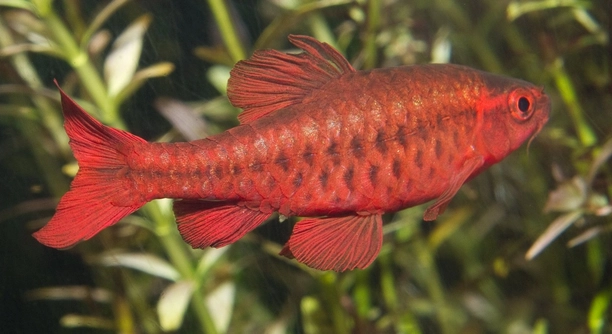
If you’ve noticed your Cherry Barb hovering in one spot, you’re probably wondering what might be causing this behavior. Fish can be very expressive, and changes in their movement often signal something important. Understanding these signs can help you ensure your fish’s well-being.
There are a variety of reasons why your Cherry Barb may be hovering. Common causes include stress, illness, or poor water conditions. It could also be due to a lack of sufficient space or tank mates that cause discomfort.
Addressing the cause of the hovering can help bring your Cherry Barb back to its active self. Proper care, water quality, and monitoring the fish’s health are key to resolving the issue and keeping your tank environment safe.
Common Causes of Hovering in Cherry Barbs
When your Cherry Barb is hovering in one spot, the first thing to check is the water quality. Poor water conditions can stress your fish, causing it to behave differently. High levels of ammonia, nitrites, or low oxygen can all make your fish feel uncomfortable. Cherry Barbs are quite sensitive to changes in their environment, and poor water conditions can quickly cause them to become inactive or hover. Make sure to test the water regularly for these harmful substances and do water changes as needed.
In addition to water quality, temperature is also a factor. Cherry Barbs prefer water temperatures between 75°F and 80°F. If the water is too cold, they may slow down and hover. A reliable aquarium heater will help maintain the right temperature.
If you’ve ruled out water quality and temperature issues, the next step is to consider whether your tank is overcrowded. Cherry Barbs do best in groups, but too many fish in a tank can lead to stress and territorial disputes. Having a tank that is too small for the number of fish can also cause problems. Make sure there’s enough space for each fish to swim comfortably.
Tank Mates and Stress
Fish behavior can also be affected by the presence of certain tank mates. Aggressive or territorial fish may cause your Cherry Barb to hover. Even peaceful fish can sometimes stress your Cherry Barb if they’re competing for space or food.
If your tank mates aren’t a good fit, this can result in constant stress for your Cherry Barb. It’s important to carefully choose tank mates that are peaceful and can coexist with your Cherry Barb. Species like tetras, mollies, and other peaceful community fish are usually good options. However, make sure the tank isn’t too crowded, as this can lead to tension and stress among all the fish.
Keep an eye on your Cherry Barb’s interactions with other fish. Signs of aggression or competition for resources can cause it to hide or hover. If you suspect stress from tank mates, consider rearranging the tank or removing incompatible fish. This will allow your Cherry Barb to feel safe and return to its usual swimming patterns.
Illness or Injury
If your Cherry Barb is hovering, it could be a sign of illness or injury. Watch for other signs like clamped fins, discoloration, or abnormal swimming. These may indicate a health problem such as parasites, infections, or physical injury.
Fish often hide or hover when they’re not feeling well. If your Cherry Barb is sick, it’s important to isolate it from the rest of the tank to avoid spreading any potential illness. Check the water quality to ensure there isn’t an environmental factor causing the issue. Treatment will vary depending on the condition, so make sure you research the symptoms carefully. A visit to an aquarium professional might be necessary for a proper diagnosis.
Injury can also cause a fish to hover in place. Whether it’s a fin tear or a more serious wound, any injury can limit their ability to swim properly. Keep an eye on the affected area for any signs of infection. A clean, well-maintained tank will help speed up recovery.
Environmental Factors
Another factor that could be causing your Cherry Barb to hover is changes in its environment. Moving your tank or introducing new decorations can upset the fish, making them feel insecure. Fish thrive in stable, familiar environments.
When setting up your aquarium, it’s important to avoid making frequent changes to the layout. Fish, including Cherry Barbs, feel more comfortable when their environment remains consistent. If you’ve recently moved the tank or introduced new items, give your Cherry Barb time to adjust. Changes in light, sound, or even the presence of new tank mates can affect how they behave.
Ensure your aquarium provides plenty of hiding spots and plants for your Cherry Barb to feel secure. Stability is key in reducing stress and encouraging normal behavior. Additionally, check for any other environmental factors such as sudden changes in temperature, lighting, or water flow that could be affecting your fish.
Water Flow and Circulation
The water flow in your tank can also influence your Cherry Barb’s behavior. Strong currents or poor circulation may cause the fish to hover, struggling to swim against the force.
Make sure the water flow is gentle enough for your Cherry Barb to swim freely. You can adjust the filter or use a flow regulator to reduce the strength of the current. Cherry Barbs prefer calm waters and may avoid strong currents, especially if they are weak or stressed.
It’s important to monitor the tank’s water flow regularly. If it’s too strong, you might notice your Cherry Barb staying in one spot, avoiding swimming in the open. A gentle filter and proper circulation will ensure the fish feels comfortable.
Tank Size
The size of your aquarium plays a role in your Cherry Barb’s comfort. A tank that’s too small will leave the fish feeling cramped and stressed.
Cherry Barbs need space to swim and explore. If the tank is overcrowded or too small, it can result in your fish becoming more sedentary. A larger tank allows for better water quality, more swimming space, and a healthier environment overall.
Providing enough room for each fish in your tank is essential for their health and well-being. A proper tank size reduces stress and ensures your Cherry Barb can thrive.
Poor Diet or Feeding Habits
An inadequate diet may also cause a Cherry Barb to hover. If the fish isn’t getting the proper nutrition, it can affect its energy levels and behavior. A poor diet leads to weakness, which might cause the fish to become lethargic.
Make sure to feed your Cherry Barb a balanced diet that includes a variety of high-quality foods. Pellet food, flake food, and live or frozen options can provide essential nutrients. Overfeeding or offering only one type of food may lead to nutritional imbalances.
FAQ
Why is my Cherry Barb staying in one spot?
A Cherry Barb may stay in one spot due to several factors. It could be dealing with stress, poor water conditions, illness, or injury. Check the water quality to make sure ammonia, nitrites, and nitrates are at safe levels. If the water is too cold or too warm, the fish may become sluggish or inactive. Also, look for signs of disease such as discoloration or clamped fins. A lack of space or aggression from tank mates can also cause your Cherry Barb to hover. Ensuring a peaceful tank with proper water conditions is key.
Can stress cause my Cherry Barb to hover?
Yes, stress is a common cause of hovering. Cherry Barbs are sensitive to changes in their environment, and stress can occur from factors like poor water quality, sudden temperature changes, or overcrowded tanks. If your Cherry Barb is stressed, it might hover or hide more often. Make sure to keep the tank environment stable and peaceful. Adding plants, hiding spots, and removing any aggressive fish can help reduce stress and encourage normal swimming behavior.
How do I improve the water quality for my Cherry Barb?
Improving water quality involves regular water changes, maintaining proper filtration, and testing the water for harmful substances. For Cherry Barbs, ensure that ammonia and nitrites are at 0 ppm and that nitrates are below 20 ppm. Regularly test pH levels, aiming for a range of 6.5 to 7.5. Use an appropriate filter to keep the water clean and remove any waste or debris. If necessary, add a water conditioner to neutralize chlorine or chloramine. By maintaining high water quality, you reduce the chances of stress and improve the overall health of your Cherry Barb.
What temperature should my Cherry Barb’s tank be?
Cherry Barbs thrive in water temperatures between 75°F and 80°F (24°C – 27°C). Keeping the tank at this temperature range ensures that your fish stay active and healthy. If the temperature falls below 70°F (21°C), Cherry Barbs can become lethargic or stressed, leading to behaviors like hovering. Use a reliable aquarium heater to maintain a consistent temperature and prevent sudden fluctuations. It’s important to regularly check the temperature, especially if you live in a location with fluctuating room temperatures.
Could poor tank mates cause my Cherry Barb to hover?
Yes, tank mates can significantly impact your Cherry Barb’s behavior. Aggressive or territorial fish may cause stress, resulting in hovering. If your Cherry Barb is constantly avoiding other fish or seems to be hiding, this could be due to bullying or competition for space. To reduce stress, ensure that the tank mates are peaceful and similar in size. Avoid aggressive species like cichlids or overly dominant fish. Additionally, providing plenty of hiding spots and plants can help your Cherry Barb feel secure in the tank.
Is it normal for Cherry Barbs to hover at certain times of day?
It’s normal for Cherry Barbs to occasionally hover or stay still during certain times of day, such as when they’re resting. However, if this behavior lasts too long or seems out of character, it could indicate an issue. Cherry Barbs are active swimmers, and periods of inactivity usually happen at night when they rest. If your fish is staying in one spot during the day and shows no interest in swimming, it could be due to stress, illness, or other environmental factors. Make sure the tank environment is ideal for your fish’s health.
How do I prevent my Cherry Barb from hovering due to tank overcrowding?
To prevent overcrowding, ensure that your tank has enough space for the number of fish you keep. A general rule is to provide 1 inch of fish per gallon of water, though this can vary depending on the species. Overcrowding can cause stress and reduce the available swimming space, leading to behaviors like hovering. If your Cherry Barb is in a crowded tank, consider upgrading to a larger aquarium or removing some fish to allow for more space. This helps create a more comfortable environment and reduces stress for all the fish.
Could an injury be causing my Cherry Barb to hover?
Yes, injuries can cause your Cherry Barb to hover. If the fish has been nipped, scraped, or hurt by decorations or other fish, it may avoid swimming normally. Injuries often cause discomfort, leading the fish to stay in one spot while it heals. Inspect your fish for any visible wounds, tears in fins, or changes in appearance. If you suspect an injury, keep the tank clean to prevent infection, and avoid adding new fish that might cause further stress. If the injury looks severe, you may need to separate the fish for proper care.
How can I tell if my Cherry Barb is sick?
Sick Cherry Barbs often exhibit specific signs such as clamped fins, loss of color, abnormal swimming, or lethargy. If your fish is hovering or staying in one spot, check for additional symptoms like bloating, skin lesions, or rapid gill movement. A sick fish may also swim erratically or float at the surface of the water. If any of these signs appear, it’s important to isolate the fish in a quarantine tank and treat it based on the symptoms. A visit to an aquarium professional can help if you’re unsure about the diagnosis.
Is hovering a sign of boredom in Cherry Barbs?
While hovering can be a sign of illness or stress, it can also happen when your Cherry Barb is bored or under-stimulated. Cherry Barbs are active fish and need both physical and mental stimulation to thrive. A tank with little decoration or space to explore might lead your fish to stay in one spot. Add plants, rocks, or aquarium decorations to give your Cherry Barb more places to explore and hide. A stimulating environment encourages healthy activity and can help reduce unwanted behaviors like hovering.
Final Thoughts
When you notice your Cherry Barb hovering in one spot, it’s important to remember that this behavior is usually a sign of something affecting your fish’s well-being. Whether it’s stress, illness, poor water conditions, or even tank mate issues, it’s crucial to address the underlying cause. A fish that’s hovering might be trying to avoid discomfort or conserve energy, so it’s essential to assess the environment carefully. Healthy Cherry Barbs are active swimmers and typically prefer to move around in the tank, so when they stop, it’s a signal that something might be off.
The first step in addressing the issue is always checking the water quality. Poor water conditions are a common cause of stress for fish. Testing for harmful chemicals like ammonia and nitrites can help determine if the water needs to be cleaned or changed. Also, ensure the temperature is suitable for your Cherry Barb, as extreme fluctuations can also lead to unusual behavior. Regular water changes, along with proper filtration, can go a long way in maintaining a stable environment where your fish feel safe and comfortable. Additionally, keep an eye on any signs of illness or injury, as they can sometimes cause a fish to hover while they recover.
Tank mates and space also play a role in your Cherry Barb’s behavior. Aggressive fish or overcrowding can cause stress, leading to hiding or hovering. Choosing compatible tank mates and ensuring there is enough room for each fish to swim comfortably can make a big difference in your Cherry Barb’s health. If hovering persists, consider isolating the fish to address any specific issues. In some cases, a peaceful and well-maintained environment with good water quality and the right tank mates is all it takes to bring your Cherry Barb back to its usual self. By paying attention to these factors, you’ll help create a healthier and happier home for your fish.

Hello,
If you enjoy the content that we create, please consider saying a "Thank You!" by leaving a tip.
Every little bit helps us continue crafting quality advice that supports the health, happiness, and well-being of pets around the world, for pets of all shapes, sizes, and species.
We really appreciate the kindness and support that you show us!