
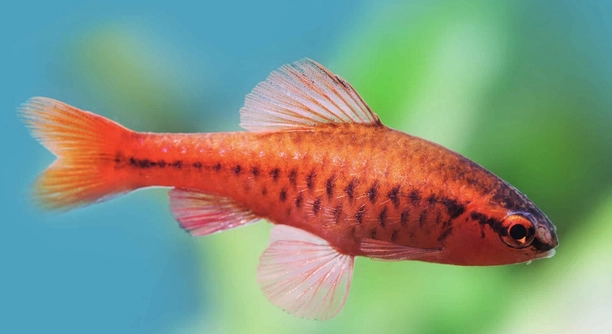
Are you noticing your cherry barb hiding all day and wondering what could be causing this behavior? Understanding your fish’s actions can help ensure they stay healthy and comfortable in their environment.
The main reason your cherry barb may be hiding is stress, often due to poor water quality, temperature fluctuations, or tank mates. These factors can make your fish feel unsafe or uncomfortable, prompting them to seek shelter.
By addressing these factors, you can create a better environment for your cherry barb, helping them feel secure and more active in their tank.
Stress from Poor Water Quality
One of the main reasons your cherry barb may be hiding is stress caused by poor water quality. Fish are very sensitive to the conditions in their tank, and any changes in water parameters can make them feel unsafe. Factors like high ammonia, nitrite, or nitrate levels, improper pH, and inconsistent water temperature can all contribute to stress. When the water isn’t clean or balanced, your cherry barb may retreat to a hiding spot in an attempt to stay safe. It’s important to regularly test your tank’s water to ensure the levels remain stable and safe.
Monitoring water quality is a simple yet effective way to help your fish feel comfortable. Regular water changes, combined with using a good filtration system, can greatly improve the overall environment of the tank.
Addressing water quality issues will not only reduce stress but also promote the overall health of your fish. Ensuring the water remains clean will encourage your cherry barb to explore more actively instead of hiding. Proper care of the tank can make a significant difference in their behavior.
Tank Mates Can Influence Behavior
Tank mates can significantly affect your cherry barb’s behavior. If you have aggressive fish in your tank, your cherry barb may feel threatened and choose to hide. Even peaceful fish can cause stress if there is too much competition for food or space. Cherry barbs are typically peaceful, but they can become stressed if they feel intimidated by other fish, leading them to stay hidden. Adding tank mates with similar temperaments can help prevent these issues.
Fish that are too aggressive can make your cherry barb feel unsafe, so it’s essential to choose compatible tank mates for a peaceful and balanced environment. Reducing tension in the tank will likely help your fish feel more at ease.
Temperature Fluctuations
Temperature fluctuations can cause your cherry barb to hide as they prefer stable environments. If the water temperature changes too rapidly, it can create stress, making your fish seek shelter. Cherry barbs thrive in a stable range of 72°F to 80°F. Any significant deviation from this range can cause them to retreat and reduce their activity. Keeping the tank’s temperature steady will help your fish feel more secure and comfortable in their surroundings.
To avoid temperature issues, invest in a reliable heater and thermometer. Regularly check the temperature and make necessary adjustments. Avoid placing the tank near windows or areas with drafts to ensure a consistent environment. With proper temperature control, your cherry barb should feel more relaxed and less likely to hide.
Stable temperature conditions not only keep your cherry barb active but also promote their overall well-being. Stress from fluctuating temperatures can lead to long-term health problems, so providing a consistent environment will allow your fish to thrive.
Lack of Hiding Spots
A lack of hiding spots can make your cherry barb feel exposed and stressed. Cherry barbs are naturally shy fish that need places to retreat to when they feel threatened. If your tank is too open and lacks plants, rocks, or decorations, your fish may feel insecure and hide. Adding hiding spots will give your cherry barb the option to retreat when needed, reducing stress and helping them feel more comfortable in the tank.
Incorporating plants, driftwood, and other decorations into the tank will create a more secure and inviting environment for your fish. Ensure the hiding spots are large enough for the fish to comfortably fit inside, but not so crowded that they feel trapped. This balance will encourage your cherry barb to explore more while still providing a safe space when they need it.
Hiding spots serve a dual purpose in your aquarium: they reduce stress and provide a natural environment for your fish to express their behavior. Cherry barbs appreciate having their own space but will also be more active if they feel secure in the tank. Adding these elements will make a big difference in their comfort levels.
Overfeeding
Overfeeding can lead to water quality issues, which in turn causes your cherry barb to hide. Excess food that isn’t consumed decomposes, releasing toxins that affect water quality. This can stress your fish, leading them to seek shelter. To avoid this, feed your cherry barb small amounts that they can consume in a few minutes.
It’s essential to monitor how much food you’re giving your cherry barb. Uneaten food should be removed to prevent it from polluting the water. This will help maintain a clean environment, reducing the stress caused by poor water conditions and encouraging more active behavior.
Illness or Injury
Cherry barbs may hide if they are feeling unwell or injured. If you notice that your fish is hiding more than usual, it could be a sign that something is wrong. Check for signs of disease, such as unusual swimming patterns, discoloration, or lesions. Early detection is key to treating any illness.
If your cherry barb is sick, isolating it in a quarantine tank can help prevent the spread of disease to other fish. Providing a stress-free environment, along with appropriate medication or treatment, will support your fish’s recovery and reduce further stress.
Water Chemistry Imbalance
A sudden shift in water chemistry can cause your cherry barb to hide. pH, hardness, and salinity must be within a certain range for your fish to feel comfortable. Any imbalance can lead to stress, making your fish retreat. Regular water tests will help keep these parameters in check.
Maintaining a balanced water chemistry is essential for your cherry barb’s health and comfort. Using a water conditioner or adjusting your tank’s filtration system can help keep the levels stable. Testing the water at least once a week will help you catch any potential issues before they affect your fish.
FAQ
Why is my cherry barb hiding all the time?
Cherry barbs may hide due to various stressors in the tank, including poor water quality, temperature fluctuations, aggressive tank mates, or a lack of hiding spots. They are naturally shy fish and may retreat to feel secure if they feel threatened. Ensuring a stable environment with clean water, appropriate tank mates, and hiding places can help reduce stress and encourage more active behavior.
How can I tell if my cherry barb is sick?
Sick cherry barbs may show signs like erratic swimming, loss of color, lesions, or an unusual behavior pattern, such as excessive hiding. Keep an eye out for changes in their physical appearance or actions. If you notice anything concerning, it’s best to separate them from other fish and treat them in a quarantine tank.
What temperature should I keep my cherry barb tank at?
Cherry barbs thrive in a temperature range of 72°F to 80°F (22°C to 27°C). Keeping the water temperature within this range is crucial to their health and well-being. Extreme fluctuations can lead to stress and make your fish more likely to hide. A consistent, stable temperature is ideal.
Can cherry barbs live with other fish?
Yes, cherry barbs are peaceful fish that get along well with other non-aggressive species. They do best in community tanks with fish that share similar temperaments. However, avoid keeping them with overly aggressive fish, as this can cause stress and lead to hiding behavior.
What kind of tank mates are best for cherry barbs?
Good tank mates for cherry barbs include other peaceful species such as tetras, rasboras, and corydoras catfish. These fish are similar in size and temperament, and they won’t intimidate your cherry barbs. Avoid keeping them with large, aggressive fish that may threaten them.
How often should I feed my cherry barbs?
Cherry barbs should be fed small portions once or twice a day. Overfeeding can lead to water quality problems and cause your fish to become stressed. Only feed as much as they can consume in a few minutes to avoid leftover food that could pollute the tank.
What type of food do cherry barbs eat?
Cherry barbs are omnivores and will eat a variety of foods, including high-quality flakes, pellets, and live or frozen food like brine shrimp and bloodworms. A balanced diet ensures they get all the necessary nutrients for their health and activity. Offer a mix of food types to keep them healthy.
How can I improve the water quality for my cherry barbs?
To improve water quality, perform regular water changes (around 25% every week) and use a good filtration system. Test the water frequently for ammonia, nitrites, nitrates, and pH levels to ensure they stay within safe ranges. Clean any uneaten food or debris promptly to prevent water contamination.
Do cherry barbs need live plants in their tank?
While cherry barbs do not require live plants, having plants in the tank can create a more natural and secure environment. Plants provide hiding spots and help reduce stress by offering areas for the fish to retreat. They also help improve water quality by absorbing nitrates.
How can I tell if my cherry barb is stressed?
Stressed cherry barbs may hide more than usual, swim erratically, or lose their color. Other signs include reduced appetite, rapid gill movement, and unusual swimming behavior. Reducing stress factors like poor water quality, aggressive tank mates, and temperature fluctuations can help alleviate these symptoms.
Can cherry barbs live in a tank with a filter?
Yes, cherry barbs can live in a tank with a filter. In fact, a filter is essential for maintaining water quality by removing waste and toxins. However, make sure the filter’s current is not too strong, as cherry barbs prefer calm water. Adjust the flow rate to avoid stressing your fish.
Why is my cherry barb swimming at the top of the tank?
If your cherry barb is swimming at the top of the tank, it could be a sign of low oxygen levels, poor water quality, or stress. Ensure proper aeration and filtration in your tank to maintain oxygen levels. Regular water changes and monitoring water parameters can also help resolve this issue.
How can I help my cherry barb feel more comfortable in its tank?
To make your cherry barb feel more comfortable, create a peaceful environment with stable water conditions, appropriate tank mates, and plenty of hiding spots. Add plants, rocks, and other decorations to mimic their natural habitat. Keeping the water clean and maintaining a consistent temperature will also help reduce stress.
What should I do if my cherry barb is not eating?
If your cherry barb is not eating, check the water quality, temperature, and tank conditions to ensure there are no issues causing stress. A change in diet or offering live or frozen foods may stimulate their appetite. If they continue to refuse food, it could indicate illness, so observe them for any other symptoms.
Are cherry barbs hardy fish?
Yes, cherry barbs are relatively hardy fish when kept in the right conditions. They are adaptable to different water parameters but thrive in stable, clean environments. Regular maintenance, appropriate feeding, and careful monitoring will help keep them healthy and active. Avoid rapid changes in their environment to prevent stress.
Can cherry barbs breed in a community tank?
Yes, cherry barbs can breed in a community tank, but the fry are small and may be eaten by other fish. To successfully breed them, provide a separate breeding tank with gentle filtration and plenty of plants for the fry to hide. Keep the water temperature around 78°F to encourage breeding.
Final Thoughts
Cherry barbs are generally peaceful and hardy fish that can thrive in a well-maintained aquarium. However, like all fish, they can experience stress from various factors, including poor water quality, overfeeding, temperature fluctuations, and unsuitable tank mates. It is important to create a stable and comfortable environment for them to reduce the likelihood of hiding behavior and stress. By regularly monitoring water parameters and providing a balanced diet, you can keep your cherry barbs healthy and active. Understanding their needs and habits can help you maintain a thriving tank.
If you notice that your cherry barb is hiding all day, consider checking for common stressors. Poor water quality is often the main culprit, but other factors like tank size, overcrowding, or aggressive fish can contribute as well. Be sure to test your water frequently and make adjustments as needed to maintain the correct parameters. Offering hiding spots with plants or decorations can also make them feel more secure, which can help alleviate their need to hide. Proper tank management is key to keeping your fish happy and healthy.
Cherry barbs are a wonderful addition to any community tank, provided their needs are met. With proper care, they can live for several years, offering both beauty and peaceful behavior to your aquarium. Paying attention to their environment, diet, and overall well-being ensures they will thrive. If you address the potential causes of stress and create a stable, secure tank, your cherry barbs will likely become active and engaging members of your aquarium.

Hello,
If you enjoy the content that we create, please consider saying a "Thank You!" by leaving a tip.
Every little bit helps us continue crafting quality advice that supports the health, happiness, and well-being of pets around the world, for pets of all shapes, sizes, and species.
We really appreciate the kindness and support that you show us!