
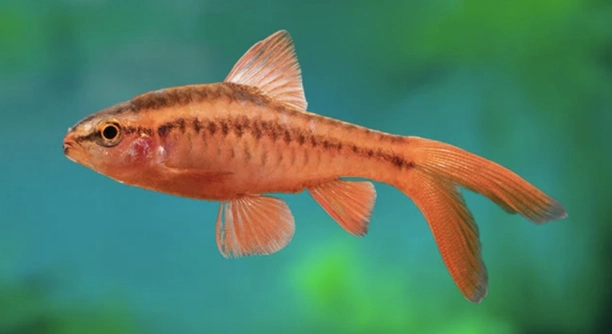
Cherry barbs are a popular fish in many aquariums, but their tendency to hide often worries owners. If you’ve noticed your cherry barb hiding more than usual, you might be wondering what’s going on and how to help.
Cherry barbs often hide due to stress, illness, or unsuitable tank conditions. Factors such as aggressive tankmates, inadequate water quality, or sudden changes in the environment can lead them to seek shelter more frequently.
Understanding why your cherry barb hides is key to creating a peaceful, healthy environment. From water quality to tankmates, there are several factors that can impact your fish’s behavior.
Stress and Anxiety
Stress is a common reason for cherry barbs to hide. They are naturally timid and can easily become stressed in a tank with aggressive fish. If there are fast-moving or territorial fish nearby, your cherry barb might feel threatened and retreat to a safe spot. This behavior is a way to avoid confrontation. Cherry barbs are also sensitive to sudden changes, whether it’s a new addition to the tank or a change in water temperature. These environmental shifts can cause anxiety, leading them to spend more time hiding than swimming openly. It’s important to monitor your tank for signs of stress.
Many fish, including cherry barbs, are sensitive to fluctuating water parameters. If you notice your cherry barb hiding after a water change, the issue may be tied to temperature or pH imbalance.
To help ease the stress, you can add more hiding spots in the tank using plants, caves, or decorations. This provides your cherry barb with a place to retreat when feeling uneasy. Additionally, reducing the number of aggressive fish or moving them to a different tank can create a calmer atmosphere. Cherry barbs are less likely to hide when they feel safe and secure in their environment.
Poor Water Quality
Water quality can directly affect the health of your cherry barb. Poor water conditions lead to stress, making them more likely to hide. High levels of ammonia or nitrites in the water can cause discomfort. When fish are exposed to these harmful chemicals, they seek shelter to reduce stress.
Regular water testing is crucial for maintaining a healthy aquarium. Poor filtration or overfeeding can cause water to become dirty quickly, so monitoring these factors is key.
Cherry barbs thrive in clean water with proper filtration. Make sure you are doing regular water changes, especially if you notice your cherry barb acting differently. If the water isn’t clean, their immune system weakens, and they may be more susceptible to illness. This can increase their tendency to hide. To improve water quality, ensure your filter is running efficiently and perform weekly water tests.
Tank Mates
Aggressive tank mates can make cherry barbs feel unsafe. If there are larger or more dominant fish in the tank, your cherry barb may hide to avoid being bullied. In such cases, it’s important to choose peaceful tank mates that won’t intimidate your cherry barb. Fish like guppies or peaceful tetras make better companions.
Cherry barbs are peaceful, social fish and thrive in community tanks with similarly calm species. However, species like cichlids or other aggressive fish can stress them out. Keeping the tank calm and balanced helps prevent hiding behaviors.
You can also consider rearranging the tank to reduce territorial behavior. This allows your cherry barb to establish new hiding spots and gives them a sense of security. If aggression continues, it may be best to move your cherry barb to a different tank where they are less likely to be harassed.
Illness or Injury
If your cherry barb is hiding more than usual, illness could be the cause. Fish are great at hiding signs of sickness, so by the time you notice hiding, the illness could be advanced. Symptoms like a lack of appetite or lethargy can accompany hiding.
A common illness affecting cherry barbs is fin rot, which may cause them to hide as they try to avoid movement that hurts. Infected fish often seek places where they feel less exposed. If you notice unusual spots or lesions, quarantine your fish and treat them with appropriate medications.
Cherry barbs can also hide if they are injured. Physical wounds can make them feel vulnerable, causing them to retreat to safer, more secluded areas. In this case, check for any signs of damage such as torn fins or scratches. If necessary, seek veterinary advice for treatment.
Lighting Conditions
Cherry barbs may hide if the lighting is too bright for them. Bright lights can be stressful, especially in tanks without areas to hide. They prefer dimmer lighting that mimics their natural habitat. Consider reducing the light intensity or providing more shaded areas for them to retreat.
If your tank’s light is too harsh, it might cause your cherry barb to seek shelter. They are naturally shy and feel safer in darker spots. You can try using aquarium lights with adjustable settings or add plants to create shaded areas. This can help reduce stress and encourage them to swim more.
Tank Size
A tank that’s too small can increase stress for cherry barbs, causing them to hide. They require space to swim freely and feel comfortable. A crowded tank doesn’t provide enough room for them to establish their own territory. Larger tanks allow for a more relaxed environment.
Cherry barbs should ideally be kept in tanks of at least 20 gallons. Smaller tanks can limit their movement, leading to stress and hiding behavior. When fish feel cramped, they may retreat to corners of the tank or behind decorations. If your tank is too small, consider upgrading for their comfort.
Water Temperature
Cherry barbs are sensitive to water temperature changes. If the water is too warm or too cold, they may seek refuge in hidden spots. Stable temperatures between 72°F and 78°F are ideal for them. Fluctuations can stress them out, prompting more hiding.
If you notice your cherry barb hiding more often, check the water temperature. A reliable heater can help maintain a steady environment. Fish exposed to cold water or sudden temperature changes may become lethargic and stressed. Keeping the water in the optimal range will help them feel more secure and active.
FAQ
Why is my cherry barb hiding all the time?
Cherry barbs hide for several reasons, including stress, illness, or poor water conditions. They are naturally shy and can easily feel overwhelmed by aggressive tank mates, sudden changes in the environment, or poor water quality. Providing a calm and stable tank with enough hiding spots can help reduce this behavior. Make sure the water parameters are ideal, and the tankmates are peaceful. If the hiding continues, consider checking for signs of illness or injury.
Can my cherry barb’s hiding behavior be a sign of illness?
Yes, hiding can be a sign that your cherry barb is not feeling well. If they are hiding more than usual, look for other symptoms like lack of appetite, lethargy, or unusual marks on their body. Fish will often retreat to safer spots when they are sick or injured. If you notice any of these signs, it’s best to quarantine the fish and seek treatment for any potential illness. Fin rot, ich, and other diseases can cause your cherry barb to hide more often.
How can I reduce stress for my cherry barb?
To reduce stress, ensure that your tank has peaceful tankmates, a steady water temperature, and clean water. Avoid overcrowding the tank and provide plenty of hiding places with plants or decorations. Cherry barbs feel safer when they can retreat to shaded or secluded areas. Additionally, make sure there are no sudden changes in water conditions, as these can cause anxiety. Regular water changes and maintaining proper filtration also help create a healthier, less stressful environment for your fish.
What temperature should my cherry barb’s tank be?
Cherry barbs thrive in temperatures between 72°F and 78°F (22°C to 25.5°C). Fluctuations in temperature can cause stress, leading them to hide. Make sure your heater is working correctly and that the temperature remains stable. If the water is too warm or too cold, your cherry barb may retreat to a corner of the tank or hide behind objects. A consistent, comfortable temperature is essential for their well-being.
Do cherry barbs like bright light?
No, cherry barbs do not prefer bright lights. They are shy and will feel more secure in a tank with softer, dimmer lighting. If your aquarium light is too bright, your cherry barb may hide more often to avoid the exposure. You can reduce the intensity of the lighting or use plants and decorations to provide shaded areas. Simulating a more natural environment with subdued lighting will help your cherry barb feel safer and more comfortable in their tank.
Are cherry barbs suitable for a community tank?
Yes, cherry barbs are peaceful fish and do well in community tanks with other calm species. They can live with tetras, guppies, and other small, non-aggressive fish. However, they can be stressed by larger, more aggressive tankmates. It’s essential to avoid keeping them with territorial fish like cichlids. If you notice your cherry barb hiding frequently, check the behavior of other tankmates to ensure no aggression is taking place.
How can I tell if my cherry barb is stressed?
Signs of stress in cherry barbs include hiding, loss of appetite, lethargy, or erratic swimming behavior. If the fish are swimming near the surface or constantly darting around, they may also be stressed. You may also notice faded color or fin clamping. Keeping track of their behavior and the condition of the water can help you spot signs of stress early. Providing a calm environment and monitoring the tank’s water parameters will help your fish feel more secure.
Can I keep more than one cherry barb in my tank?
Yes, cherry barbs do well in small groups. They are social fish and feel more comfortable when kept in groups of at least three or four. Keeping them in a group can reduce stress as they are less likely to feel vulnerable. However, ensure the tank is large enough to accommodate the group, as overcrowding can lead to stress and hiding. A 20-gallon tank is a good starting point for keeping multiple cherry barbs.
How often should I feed my cherry barb?
Cherry barbs should be fed once or twice a day. Overfeeding can lead to poor water quality, which can cause stress and encourage hiding. Feed them a balanced diet of high-quality flakes or pellets, supplemented with occasional live or frozen foods like brine shrimp. Only provide as much food as they can eat in a few minutes to avoid overfeeding. Remove any uneaten food to prevent it from polluting the water.
What is the ideal tank size for cherry barbs?
Cherry barbs need at least a 20-gallon tank, especially if you are keeping more than one. A larger tank provides enough space for them to swim and reduces stress. A crowded tank can lead to hiding behavior and aggression. If your tank is too small, consider upgrading to ensure your cherry barbs have enough room to move around freely and feel safe. Larger tanks also allow for better water quality management, which benefits the overall health of your fish.
What type of decorations do cherry barbs prefer?
Cherry barbs prefer a tank with plenty of plants, rocks, and hiding spots. Plants like Java Fern or Anubias offer both hiding places and a more natural look. Driftwood and caves can also be added to create areas where the fish can retreat when feeling stressed. Avoid sharp decorations that could injure your fish, as these may cause them to hide even more frequently. A well-decorated tank provides both visual appeal and a comfortable environment for your cherry barbs.
Final Thoughts
Cherry barbs are generally peaceful fish that make great additions to community tanks. However, it’s important to understand that hiding behavior is often a sign that something in their environment is causing them stress or discomfort. Whether it’s aggressive tankmates, poor water quality, or unsuitable tank conditions, addressing the root cause is key to helping your cherry barb feel comfortable again. Paying attention to their behavior, along with monitoring water conditions and tankmate compatibility, can go a long way in creating a happier and healthier environment for them.
When you notice your cherry barb hiding more than usual, consider evaluating the setup of your tank. Make sure that it has enough hiding spots and plants to give your fish a sense of security. If there are aggressive or territorial fish in the tank, it may be helpful to move them to a different aquarium. Similarly, ensuring that the water parameters are within the ideal range, and the temperature remains stable, can eliminate stress factors. Cherry barbs are sensitive creatures, and small adjustments in their environment can make a significant difference.
Ultimately, a well-maintained tank with suitable water quality, peaceful tankmates, and proper care will encourage your cherry barb to thrive. While occasional hiding is normal, continuous hiding is a sign that something may need to change. By staying observant and making the necessary adjustments, you can help your cherry barb feel safe, reduce stress, and bring them back to their natural behavior of swimming freely and socializing in the tank. Keeping these factors in mind will not only improve the well-being of your cherry barb but also contribute to a healthier aquarium overall.

Hello,
If you enjoy the content that we create, please consider saying a "Thank You!" by leaving a tip.
Every little bit helps us continue crafting quality advice that supports the health, happiness, and well-being of pets around the world, for pets of all shapes, sizes, and species.
We really appreciate the kindness and support that you show us!