
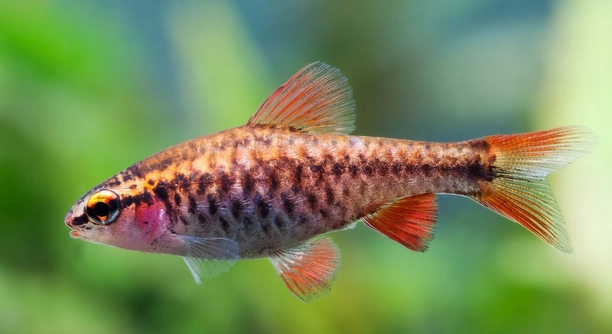
Cherry barbs are small, active fish that bring joy to many aquarium enthusiasts. However, you may have noticed your cherry barb biting at bubbles, which can leave you wondering why they do this.
The behavior of cherry barbs biting at bubbles is typically linked to natural foraging instincts. These fish may be mimicking the actions of hunting for small particles, or they might be interacting with the water surface to explore their environment.
This behavior is not usually a cause for concern, but it can help to understand the reasons behind it. There are several factors that influence this action, and it’s important to consider them when assessing your fish’s health.
What Causes Cherry Barbs to Bite at Bubbles?
Cherry barbs are curious little fish, often seen exploring their surroundings with enthusiasm. When they bite at bubbles, they are usually interacting with their environment or trying to forage for small particles. This behavior is quite common, and it’s rooted in their natural instincts. In the wild, fish like cherry barbs may use the surface of the water to hunt for food or find places to explore.
While it may seem unusual at first, biting at bubbles is a form of play or exploration. Your cherry barb may also be investigating the air bubbles from a filter or aerator, thinking they can catch something. These small fish can get excited by new movements in their habitat, including the rising bubbles, which they associate with potential food or something to examine.
As long as this behavior isn’t accompanied by signs of stress or poor health, it’s harmless. Cherry barbs are active and playful fish, and their interest in bubbles is often a sign of a healthy, inquisitive nature.
Is Biting at Bubbles Harmful?
In most cases, biting at bubbles is completely harmless. However, if your cherry barb is constantly near the water surface, it may indicate something else.
For instance, it could be a sign of high oxygen levels in the tank, or it might mean the water temperature or pH isn’t quite right. It’s always a good idea to check the water conditions if you notice any unusual behaviors. This ensures that your fish are happy and healthy, without any underlying issues affecting their well-being.
Additionally, excessive bubble biting might indicate a lack of hiding spaces or stimulation. Ensuring your tank has enough plants or decorations can help keep your fish engaged.
Can I Stop My Cherry Barb from Biting Bubbles?
If you’re concerned about the bubble biting, there are a few things you can do. First, check the placement of your filter or aerator. Sometimes, adjusting the flow or moving the device can reduce the bubbles near the water surface. If your cherry barb is consistently at the surface, it may be an attempt to find oxygen or more food. Make sure your tank has a proper filtration system and that the water quality is optimal.
It’s also helpful to provide plenty of plants, rocks, and other aquarium decor. These additions give your fish more areas to explore and hide in, which can naturally divert their attention away from the bubbles. Keeping the environment enriched with stimulating features can lead to a more balanced behavior in your cherry barb.
In most cases, the biting at bubbles is just a natural quirk of these playful fish. Simply ensuring a balanced and healthy tank environment will help minimize excessive bubble interaction and keep your cherry barb content.
Is It a Sign of Stress?
If your cherry barb is consistently biting at bubbles, it might be trying to communicate some form of discomfort. This could be due to water quality issues, like improper oxygen levels or unbalanced pH. In these cases, the behavior may shift from playful to a sign of stress.
Fish that exhibit repetitive behaviors, such as continuous surface biting, can be reacting to environmental stressors. Water temperature, ammonia levels, or too much light can cause this. Ensure that your tank is properly filtered, with stable temperatures and proper pH levels. Regular water changes can help maintain a healthy environment.
It’s essential to observe your cherry barb’s overall behavior. If the biting becomes obsessive, or if you notice signs like lethargy, faded colors, or poor appetite, these are indicators of stress. Proper tank maintenance can often resolve the issue, but sometimes your fish may need extra attention if the problem persists.
Is There a Lack of Food?
Sometimes, cherry barbs may bite at bubbles due to hunger. When they feel like food is scarce, they may search for anything in their environment that could be edible. This includes bubbles or any particles that float around the water’s surface.
If the fish aren’t receiving enough nutrition or if feeding times are irregular, it could prompt them to search for food elsewhere. Try feeding your cherry barb small amounts several times a day, ensuring they have enough to satisfy their appetites. Overfeeding can also be a problem, leading to excess food waste in the tank, which could affect water quality and your fish’s behavior.
Observe the fish closely during feeding times. If they seem overly excited or bite at bubbles even after a meal, it’s a sign they might still be hungry or unsatisfied with their diet. A more consistent feeding schedule could help curb their bubble-chasing habits.
Is My Tank Overcrowded?
Overcrowding in an aquarium can lead to various behavioral issues in fish, including excessive biting at bubbles. If the tank feels cramped, your cherry barb might be looking for more space or exploring other areas to feel secure.
Overcrowding affects the water quality and increases stress, making your fish more anxious. It can also limit their access to food and resources, which might cause them to bite at bubbles in search of something to interact with. It’s important to ensure that your tank is appropriately sized for the number of fish.
If you notice signs of overcrowding, like increased aggression or frantic movements, consider reducing the number of fish in the tank. Giving your cherry barb more space may reduce this behavior and create a healthier environment for everyone in the tank.
Are Your Filters and Aerators Positioned Correctly?
The positioning of your filter and aerators can have a direct impact on the behavior of your cherry barb. If they’re placed too close to the water surface, bubbles will rise more frequently, tempting your fish to bite at them. It’s helpful to adjust the equipment so that it creates less bubble disturbance near the surface.
Try relocating the filter to a corner of the tank or lower in the water to minimize excessive bubbles. Properly setting up the aerator can also help. Fish may naturally move away from areas with a lot of surface disturbance, reducing the chance of bubble biting.
Could Your Cherry Barb Be Seeking Attention?
Fish like cherry barbs sometimes show repetitive behaviors when they are bored or seeking attention. In a tank without enough stimulation or hiding places, your fish may bite at bubbles out of curiosity or to engage with their environment.
Adding more plants, rocks, or decorations to your tank can give your cherry barb something else to focus on. This enrichment can help divert their attention from the bubbles and provide a more comfortable, engaging space for them. Consider rearranging the tank periodically to offer new environments and opportunities for exploration.
FAQ
Why do cherry barbs bite at bubbles?
Cherry barbs often bite at bubbles due to their natural curiosity. These fish are playful and tend to explore their environment by interacting with elements like air bubbles. They may mistake the bubbles for food or something to investigate, mimicking their natural foraging behavior. Sometimes, it’s simply a way for them to stay engaged in their environment. It’s common for them to bite at bubbles if they’re near the surface or if there’s a lot of movement in the water.
Is bubble biting harmful to cherry barbs?
In general, biting at bubbles is not harmful to cherry barbs. However, if this behavior is excessive or linked to other signs of distress, it might indicate underlying problems like poor water quality, oxygen levels, or overcrowding. You should monitor your fish for any changes in behavior or health. If the bubble biting continues along with other signs of stress, it may be worth adjusting the tank setup or testing the water conditions to ensure everything is balanced.
Could bubble biting be a sign of poor water quality?
Yes, poor water quality can cause your cherry barb to bite at bubbles. Fish naturally seek clean, well-oxygenated water. If oxygen levels are low or the water conditions are not ideal, fish might hover around the surface, interacting with bubbles in search of better air quality. If your fish start biting bubbles frequently, it’s a good idea to check water parameters like pH, ammonia, nitrite, nitrate levels, and temperature to ensure everything is in a safe range. Regular water changes and filtration maintenance can improve water quality.
How can I stop my cherry barb from biting bubbles?
If you’re concerned about the bubble biting, there are a few steps you can take. First, adjust the placement of your filter or aerator. Bubbles tend to gather at the surface if these devices are too close to it. Try moving the equipment to a location where the bubbles won’t interfere with the fish’s behavior. Additionally, ensure that the water parameters are ideal and that the tank isn’t overcrowded. Providing more hiding spaces and decorations in the tank can also reduce the amount of time your cherry barb spends near the surface.
Are cherry barbs more likely to bite bubbles when they are hungry?
Yes, hunger can sometimes lead cherry barbs to bite at bubbles. When fish are hungry, they may search for any particles or food in the water. If they feel like food is scarce, they might end up biting at bubbles or other surface disturbances. Ensure that you’re feeding your fish regularly and in appropriate amounts. If you notice your fish are still biting bubbles after meals, it might be a sign that they’re not receiving the right type or quantity of food, or that they’re looking for additional stimulation.
What should I do if my cherry barb is constantly at the water surface?
If your cherry barb is spending too much time at the surface, it may be a sign of high oxygen demand, poor water conditions, or a lack of stimulation. Start by checking your tank’s oxygenation and filtration system. If there are too many bubbles or a lot of surface movement, consider adjusting the filter or aerator. Also, verify that the water temperature and pH are within the appropriate range for cherry barbs. Adding more plants or decorations might help your fish feel more secure and less likely to stay at the surface.
Can cherry barbs bite bubbles if they are stressed?
Yes, stress can cause cherry barbs to bite at bubbles. Stress can result from overcrowding, poor water quality, or lack of hiding places. When fish are stressed, they may exhibit unusual behaviors like excessive surface biting. It’s essential to provide an environment that minimizes stress by ensuring proper water quality, temperature, and space. Make sure there’s enough room for each fish to swim comfortably, and avoid sudden changes in the tank setup. Stress can also be reduced by keeping the tank’s lighting at appropriate levels and offering plenty of hiding spots.
Should I be concerned if my cherry barb is constantly biting at bubbles?
Occasional bubble biting is normal, but if your cherry barb is constantly biting at bubbles, it might be worth investigating further. Prolonged surface interaction could point to problems with water quality or other factors. Ensure your filtration system is working properly, and check for signs of overcrowding or insufficient hiding places. If the behavior persists despite good tank maintenance, monitor your fish for signs of distress, such as lethargy or loss of appetite. In these cases, a water test and possible tank adjustments may be needed.
What are the signs that my cherry barb might be stressed?
Signs of stress in cherry barbs include excessive hiding, faded colors, erratic swimming, loss of appetite, and increased surface activity, such as biting at bubbles. If you notice these behaviors, it may indicate that your fish are unhappy or uncomfortable in their environment. Stress can be caused by factors like overcrowding, poor water conditions, or inadequate tank setups. It’s important to address the source of stress by testing the water, adjusting the tank’s decor, or ensuring the fish have enough space to thrive.
Can adding more plants to the tank help stop bubble biting?
Yes, adding more plants to the tank can help reduce bubble biting. Plants provide both aesthetic value and functional benefits by offering hiding spaces and areas for fish to explore. When cherry barbs have more natural environments to interact with, they are less likely to focus on surface bubbles. Plants also help improve water quality by absorbing excess nutrients, which can reduce stress and encourage healthy fish behavior. Providing a well-planted tank can contribute to a more balanced ecosystem and discourage excessive bubble biting.
Does bubble biting indicate that my cherry barb is bored?
Bubble biting can sometimes be a sign of boredom. Fish that lack stimulation or mental engagement might resort to repetitive behaviors like biting at bubbles. Adding more aquarium decor, such as plants, rocks, or driftwood, can give your cherry barb more opportunities to explore and interact with its environment. Regularly changing the tank layout can keep your fish entertained and prevent them from getting bored. Providing variety and enrichment in their habitat can reduce the focus on bubble biting and create a more enjoyable living space for your fish.
Final Thoughts
Cherry barbs are generally active and playful fish, and their behavior of biting at bubbles is usually harmless. This action is most often driven by curiosity or a natural instinct to explore their environment. While it might seem odd, this behavior is not usually something to worry about. In fact, it can be a sign that your cherry barb is engaged with its surroundings and comfortable in its tank. However, it’s always good to keep an eye on your fish for any signs of stress or discomfort, especially if the behavior becomes excessive or is accompanied by other unusual signs.
If the bubble biting becomes more frequent or is paired with signs of distress, such as faded colors or erratic swimming, it may be time to check your water conditions. Factors like low oxygen levels, poor water quality, or overcrowding can cause fish to spend more time at the surface, interacting with bubbles. Regular water changes, proper filtration, and ensuring that your tank isn’t overcrowded can help improve the situation. Also, adjusting the placement of your filter or aerator to reduce surface disturbances can make a difference in how your fish behave.
Overall, while biting at bubbles is typically a normal behavior for cherry barbs, it’s important to maintain a healthy tank environment. Providing your fish with enough space, proper food, and stimulating surroundings will help keep them happy and reduce any unnecessary stress. A well-maintained tank leads to healthier fish, and paying attention to even small behaviors, like bubble biting, can help ensure they are living in a comfortable and safe environment.

Hello,
If you enjoy the content that we create, please consider saying a "Thank You!" by leaving a tip.
Every little bit helps us continue crafting quality advice that supports the health, happiness, and well-being of pets around the world, for pets of all shapes, sizes, and species.
We really appreciate the kindness and support that you show us!