
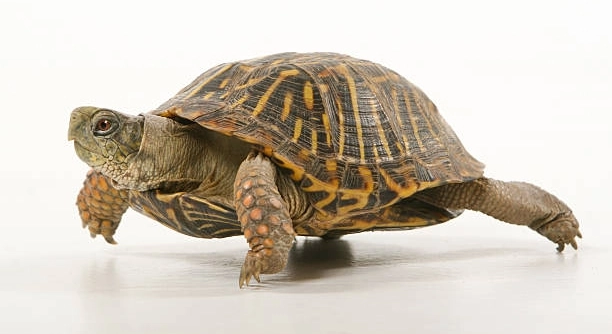
Box turtles are fascinating creatures, but when they aren’t growing as expected, it can be concerning. There are a few common reasons why this may happen, often tied to their environment and care. Understanding these factors is key.
The main reason a box turtle may not be growing properly is inadequate environmental conditions, such as poor lighting, improper temperature, or insufficient space. Nutritional deficiencies, stress, and health problems can also hinder their growth rate.
Addressing these issues early can help ensure your box turtle thrives. Understanding the causes will guide you in creating a better environment for your pet’s growth and overall health.
Improper Lighting and Temperature Conditions
A box turtle’s growth is heavily influenced by lighting and temperature. These creatures are cold-blooded, meaning they rely on their environment to regulate their body temperature. If the lighting is too dim or the basking area isn’t warm enough, your turtle may struggle to grow at a healthy rate. These factors can slow metabolism and affect digestion, both of which are crucial for growth.
Ensure your turtle has a proper basking spot with a temperature between 85-90°F and cooler areas that are about 70-75°F. UVB lighting is also necessary for proper calcium absorption. Without it, your turtle may face growth problems and health issues like metabolic bone disease.
Maintaining a stable and correct environment is essential. Overheating or too much humidity can also be harmful, so finding a balance that works for your box turtle is key to its development.
Nutritional Deficiencies
A poor diet can affect your box turtle’s growth. They need a varied diet that includes leafy greens, fruits, and proteins. Without the right balance of nutrients, your turtle might experience stunted growth. If they lack calcium, for example, they might develop weak bones. The same applies to other important nutrients like vitamins A and D. Make sure your box turtle gets a mix of fresh vegetables and occasional animal protein. Supplements may also be necessary to address any nutritional gaps. A healthy diet will support their bones, shell development, and overall vitality.
Stress and Its Impact on Growth
Stress can cause a variety of health issues in box turtles, including slowed growth. Common stressors include overcrowded enclosures, loud noises, and handling. When turtles feel threatened or uncomfortable, they may stop eating or become lethargic, which can directly impact their growth rate.
To reduce stress, make sure your box turtle has a quiet and safe environment. Keep their habitat spacious and enriching, with plenty of hiding spots. Avoid constant handling and keep their interactions calm and infrequent. Taking these steps will promote relaxation and encourage healthy growth.
Health Problems
If your box turtle isn’t growing as it should, it could be dealing with an underlying health issue. Conditions like respiratory infections, parasites, or shell problems may affect their growth.
A turtle that’s sick may show signs like a lack of appetite, lethargy, or wheezing. If you notice any unusual behavior, it’s important to consult a vet. Early detection of health problems is crucial. A simple check-up can rule out common illnesses and help your turtle get back on track. Keeping an eye on your pet’s behavior and eating habits will allow you to spot issues sooner.
Providing the right environment, along with regular health checks, can prevent these issues. A healthy turtle will grow steadily. Be vigilant about any changes in their behavior, as they may signal something wrong. Ensuring that your turtle is in top health is essential to keeping their growth on track.
Lack of Space
Turtles need plenty of space to roam and explore. When they’re confined to a small area, they may become stressed and not grow properly.
Ensure your box turtle’s enclosure is large enough to allow for movement. The general rule is to have at least 10 square feet for one turtle. This allows them to exercise, dig, and roam, mimicking their natural habitat. Too much confinement can lead to stress, which negatively affects growth.
Creating a larger enclosure with hiding spots and areas for basking will provide your turtle with the space it needs. It’s crucial for their mental and physical well-being. Giving them a larger area to explore will help them grow at a healthy pace.
Inadequate Humidity
Humidity plays an important role in a box turtle’s growth. Without the right humidity levels, your turtle’s health and growth may suffer.
Keep the humidity between 60% and 80% for most box turtle species. Too low or high can lead to dehydration or shell problems. A water dish and misting can help maintain proper humidity.
Monitor the humidity regularly to ensure it remains stable. Use a hygrometer to keep track, adjusting humidity levels when necessary. This simple step can support your turtle’s growth and overall health.
Overfeeding or Underfeeding
Feeding your box turtle the right amount of food is essential for healthy growth. Overfeeding or underfeeding can both cause issues.
Too much food can lead to obesity, which strains their body and slows growth. On the other hand, underfeeding results in malnutrition and stunted development. Ensure you’re offering a balanced diet and the right portions.
A proper diet will help your turtle grow steadily without causing any health problems. Always aim for a mix of vegetables, fruits, and proteins in moderation. Don’t overfeed, but also avoid letting your turtle go hungry.
FAQ
Why isn’t my box turtle eating?
If your box turtle isn’t eating, it could be due to stress, improper temperatures, or a lack of appealing food options. Stress from being handled too often, living in a noisy environment, or having an inadequate enclosure can cause turtles to stop eating. Additionally, improper temperature or lighting conditions might lead to reduced appetite. Make sure their habitat is at the right temperature, and try offering a variety of fresh, nutritious foods. If the issue persists, it’s best to consult a veterinarian.
Can box turtles eat fruit every day?
While fruits are a healthy treat, they should not be fed daily. Too much fruit can upset your turtle’s diet and cause digestive issues. Fruits like strawberries, watermelon, and bananas are high in sugar, so they should be offered occasionally. Focus more on dark leafy greens, vegetables, and occasional protein for a well-rounded diet. Giving fruit too often may also affect their growth, as it lacks some essential nutrients that they need regularly.
How often should I change my box turtle’s water?
Water should be changed daily to keep it clean and free of bacteria. Box turtles often drink and soak in their water, which can get dirty quickly. Ensure the water dish is large enough for them to soak comfortably. Cleaning and refilling the water every day ensures they stay hydrated and maintain proper hygiene.
How do I know if my box turtle is stressed?
Stress in box turtles can manifest in a few ways, such as lack of appetite, lethargy, or hiding more than usual. Other signs include aggressive behavior or excessive pacing in their enclosure. Stress can result from a variety of factors, including temperature extremes, lack of space, or overcrowding. Reducing stress involves providing a quiet, comfortable environment with proper heating, lighting, and enough space for them to roam.
What temperature should my box turtle’s basking spot be?
The basking area should be between 85-90°F, which allows your turtle to regulate its body temperature. It’s essential for digestion, metabolism, and overall health. If the basking spot is too cool, your turtle may not digest food properly, leading to growth issues. A heat lamp or ceramic heat emitter can help maintain this temperature range.
Can I keep two box turtles together?
Box turtles are solitary creatures and may not tolerate living with another turtle. They can become aggressive or stressed in shared enclosures, especially during feeding time or when defending territory. It’s best to house them separately to avoid stress and injuries. If you want to house more than one, make sure each turtle has its own large space with plenty of hiding spots.
Why is my box turtle’s shell soft?
A soft shell can indicate a calcium deficiency, often caused by inadequate UVB light or poor diet. Calcium is essential for strong bones and shells, and without it, the turtle may suffer from metabolic bone disease. Providing a UVB light source and offering calcium-rich foods like dark leafy greens will help. You may also need to dust their food with a calcium supplement.
How can I tell if my box turtle is sick?
Signs of illness in box turtles include a lack of appetite, lethargy, swollen eyes, or wheezing. If your turtle is acting unusually or showing signs of respiratory problems, it’s important to consult a vet immediately. Early detection is critical to treating infections or other health issues that could affect their growth and overall well-being.
Should I hibernate my box turtle?
Box turtles hibernate during the winter months in colder climates, but it’s important to ensure they’re in good health before starting hibernation. If you plan on hibernating your turtle, gradually reduce the temperature and light to simulate winter conditions. However, turtles in captivity may not need to hibernate if the environment is kept consistent. Always monitor your turtle’s weight and health before hibernation to ensure they’re strong enough to undergo this natural process.
Final Thoughts
Understanding why your box turtle isn’t growing as expected can be challenging, but there are several factors to consider. Whether it’s an issue with their diet, living conditions, or health, identifying the problem early on is key. Regular monitoring of your turtle’s environment and health can help prevent these issues from affecting their growth. Adjusting their diet, ensuring proper humidity and temperature, and providing enough space to roam will support healthy development.
Sometimes, minor adjustments are all it takes to help your turtle thrive. Making sure they have a balanced diet, the right environment, and enough space to exercise can lead to steady growth. If your turtle’s growth continues to be slow or if you notice other concerning symptoms, seeking advice from a reptile veterinarian is the best course of action. They can provide guidance and help address any health issues that might be affecting your turtle’s growth.
Ultimately, caring for a box turtle requires attention to detail and a commitment to maintaining their well-being. By staying informed about their needs and addressing any problems early, you can ensure your turtle lives a healthy, happy life. Patience and consistency are key in helping your turtle grow and thrive over time.

Hello,
If you enjoy the content that we create, please consider saying a "Thank You!" by leaving a tip.
Every little bit helps us continue crafting quality advice that supports the health, happiness, and well-being of pets around the world, for pets of all shapes, sizes, and species.
We really appreciate the kindness and support that you show us!