
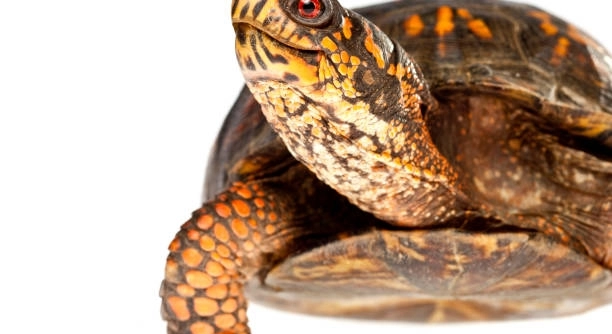
If your box turtle isn’t basking, it can be concerning. This behavior may signal issues with their environment, health, or comfort. Understanding why your turtle isn’t basking can help you ensure their well-being and happiness.
Several factors may be causing your box turtle to avoid basking, such as improper lighting, temperature issues, or stress. It is essential to check these environmental conditions to provide the optimal setup for your turtle’s basking behavior.
Understanding the reasons behind your turtle’s reluctance to bask can help you address the issue. Keep reading for tips and solutions to encourage basking and improve their habitat.
Improper Lighting Setup
Turtles rely on UVB lighting to produce vitamin D3, which is essential for their health and helps them absorb calcium. Without proper lighting, your turtle may not feel the need to bask, as they won’t be able to get the benefits from the heat and UVB rays. It’s crucial to use a UVB bulb specifically designed for reptiles, and replace it regularly to ensure optimal functionality. A good UVB light should cover the entire basking area, providing consistent exposure. Additionally, placing the bulb too far from your turtle’s basking spot may reduce its effectiveness.
Make sure the UVB bulb is the correct type for your turtle’s needs. A light designed for reptiles, along with a thermometer to monitor temperatures, can make all the difference.
To improve basking behavior, create a heat gradient in your turtle’s enclosure. This allows your turtle to choose between warmer or cooler areas, making the basking spot more inviting. A basking area with a temperature of 85-90°F is ideal, with the cooler side of the enclosure staying around 70-75°F. Adjust the lighting and heating accordingly, ensuring that your turtle has a proper environment to bask comfortably. By providing both UVB and the right temperatures, you help your turtle thrive.
Stress or Overcrowding
If your turtle is stressed, they may avoid basking. Overcrowding, loud noises, or a sudden change in the environment can cause anxiety. Stress can negatively impact their health and behavior.
Providing a quiet, calm space is essential for your turtle to feel safe. Make sure they have enough space to move around and hide when needed.
Turtles can become stressed if they don’t have a place to retreat or if there are too many other animals in the enclosure. This stress might make them reluctant to bask, as they may feel insecure or threatened. To ease your turtle’s stress, consider reducing the number of other pets in the enclosure, offering hiding spots, and avoiding frequent handling. A stress-free environment encourages natural behaviors like basking and exploring.
Incorrect Temperature Settings
Turtles need a temperature gradient to feel comfortable. If the basking area is too cool or too hot, they may avoid it altogether. The ideal basking temperature is between 85-90°F, with the cooler side of the enclosure around 70-75°F.
To maintain the right temperature, use a reliable thermometer to check the basking spot. If needed, adjust the light or heat sources to ensure the correct temperatures. Avoid sudden temperature fluctuations, as they can stress your turtle and affect its basking habits.
It’s important to monitor both the ambient temperature and the temperature of the basking spot separately. A thermometer with a probe will give more accuracy. If the basking spot is too hot, your turtle might avoid it to regulate their body temperature. Conversely, if it’s too cold, your turtle may seek shelter rather than bask. Ensuring the proper balance promotes natural behavior and helps your turtle stay healthy.
Health Issues
Illness or injury can make basking uncomfortable for your turtle. If they are feeling unwell, they may choose to rest in cooler areas where they can feel more secure. Watch for signs like lack of appetite, lethargy, or changes in behavior, which could indicate health problems.
A sick turtle might not have the energy to bask or even be physically able to climb onto the basking platform. Health issues, such as respiratory infections or parasites, can affect their behavior. If you notice any of these symptoms, it’s important to consult a reptile vet. Early detection and treatment can ensure your turtle recovers and returns to normal basking habits.
Lack of Basking Spot
If there is no suitable spot for your turtle to bask, it will avoid doing so. Ensure there is a flat, sturdy platform or rock where your turtle can comfortably rest under the light. Without this, they may not feel secure enough to bask.
Provide a basking platform that is easy for your turtle to climb onto. The surface should be dry, and not slippery, to ensure your turtle can hold onto it comfortably. Adding decorations or accessories in the water can make your turtle feel more at home, encouraging basking behavior.
Unnatural Enclosure Design
The design of the enclosure plays a key role in how your turtle interacts with its environment. A cramped or poorly designed space may make basking uncomfortable or unappealing. Create an enclosure that mimics a turtle’s natural habitat.
A proper habitat should allow your turtle to move freely between warm and cool zones, with easy access to both land and water areas. Having separate, clearly defined areas will encourage your turtle to bask when needed. Avoid overcrowding the space to ensure your turtle feels comfortable in its surroundings.
Poor Diet
An inadequate diet can also affect your turtle’s behavior, including basking. A lack of nutrients might cause lethargy, making your turtle less likely to bask. Ensure your turtle’s diet includes a balance of protein, fiber, and calcium.
Turtles need a diet rich in greens, insects, and other protein sources, with added calcium for shell health. A healthy diet supports their energy levels, making basking feel like a more natural behavior. You may want to offer supplements if your turtle isn’t getting enough from its regular food.
FAQ
Why is my turtle not basking even though I have the correct lighting?
If your turtle isn’t basking despite proper lighting, check if the temperature is right. Sometimes the lighting might be adequate, but the basking area may still be too hot or cold. Also, make sure the UVB light is positioned correctly and that your turtle can reach it comfortably.
How can I tell if my turtle is stressed?
Signs of stress include lethargy, lack of appetite, hiding more than usual, or aggressive behavior. Stress can also cause your turtle to stop basking. Environmental factors like overcrowding, loud noises, or a recent change in habitat can cause stress. If your turtle is acting differently, try reducing stressors and offering a calm environment.
What should the temperature be for my turtle’s basking area?
The basking area should be between 85-90°F (29-32°C), while the cooler side of the enclosure should be around 70-75°F (21-24°C). Using a reliable thermometer can help you monitor the temperature accurately. Too hot or too cold can discourage basking.
Can my turtle get sick from not basking?
Yes, a turtle that doesn’t bask regularly may suffer from health problems like metabolic bone disease or shell deformities. Regular basking allows turtles to dry off, absorb UVB light, and regulate their body temperature. If your turtle isn’t basking, it may not be getting the essential benefits needed for its health.
How long should my turtle bask each day?
Most turtles need about 8-12 hours of basking time each day. This provides them with the necessary UVB exposure and heat to stay healthy. Ensure that your turtle’s basking area is accessible and that the light is on for the appropriate amount of time.
Can too much basking harm my turtle?
While basking is essential for a turtle’s health, too much exposure to heat or UVB can lead to dehydration or sunburn. Ensure your turtle has access to water to hydrate and never leave them exposed to heat for too long. Balance is key.
How do I know if the UVB light is working properly?
UVB bulbs lose effectiveness over time, even if they still appear to be working. You should replace your UVB bulb every 6-12 months, depending on the type and manufacturer. To ensure it’s working properly, you can use a UVB meter, but regular replacement is the safest option.
Can I use regular light bulbs for my turtle?
No, regular light bulbs do not provide the necessary UVB rays for your turtle. You need to use a specialized UVB light designed for reptiles. These bulbs emit UVB radiation, which is essential for your turtle’s vitamin D3 production and calcium absorption.
What if my turtle refuses to use the basking platform?
If your turtle refuses to use the basking platform, check if it’s accessible and secure. Ensure that it’s the right size and not too slippery. You may also want to add a ramp or adjust its height so that your turtle can easily climb onto it.
Can I have multiple turtles in the same enclosure?
It’s possible to keep multiple turtles together, but it’s important to ensure enough space. Overcrowding can lead to stress and territorial disputes, which may result in turtles avoiding basking areas. Make sure each turtle has its own basking spot and room to roam.
Final Thoughts
Understanding why your box turtle is not basking can help address underlying issues and improve their overall well-being. There are many factors to consider, from incorrect temperature settings to stress and health problems. Ensuring your turtle has a comfortable and appropriate environment is key to encouraging basking behavior. Regularly monitoring the temperature, UVB light, and the quality of the habitat can make a noticeable difference in your turtle’s behavior.
Sometimes, it may take some trial and error to find the right balance for your turtle. If one basking spot isn’t working, try adjusting its position or providing a different kind of surface. Pay attention to any changes in behavior that may indicate health issues or stress. For instance, if your turtle stops eating or becomes lethargic, it might be dealing with a sickness or an environmental factor that needs attention. Addressing these issues early can prevent further complications and ensure your turtle’s long-term health.
Finally, consistency is important. Box turtles thrive on routine, and once they feel comfortable with their basking area, they are more likely to use it regularly. Be patient and make gradual changes to the environment if necessary. A healthy, happy turtle is one that gets the right balance of heat, UVB light, and a stress-free environment. By understanding the factors affecting basking, you can help your turtle lead a more natural and fulfilling life.

Hello,
If you enjoy the content that we create, please consider saying a "Thank You!" by leaving a tip.
Every little bit helps us continue crafting quality advice that supports the health, happiness, and well-being of pets around the world, for pets of all shapes, sizes, and species.
We really appreciate the kindness and support that you show us!