
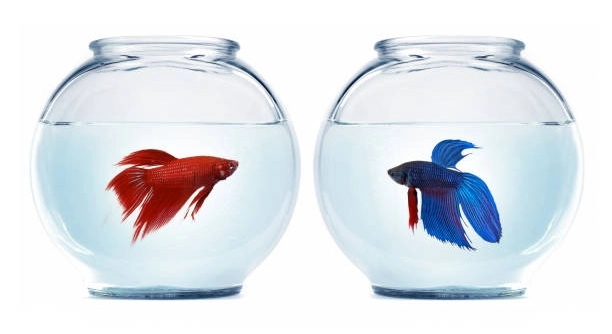
Betta fish are beautiful creatures, but sometimes their fins may tear unexpectedly. If you’ve noticed your Betta’s fin is torn, understanding why it happened is crucial to providing the proper care.
Torn fins in Betta fish can occur for various reasons, including aggressive behavior from tank mates, poor water conditions, or sharp decorations. Other factors like stress, infections, or improper handling may also contribute to fin damage.
There are several factors that could be causing your Betta’s fin issues. Identifying the cause is key to helping your fish recover and keeping it healthy.
Aggressive Tank Mates
Betta fish are known for their territorial nature. If they are housed with other fish, especially males or species with long fins, aggression can lead to fin tearing. Bettas might feel threatened and lash out, biting or chasing their tank mates. This aggression often results in the fins being damaged or ripped. Even peaceful-looking fish may unintentionally stress a Betta by swimming too closely or invading its space.
Sometimes, even the smallest signs of aggression can be harmful. If you notice your Betta behaving defensively or constantly hiding, it could be due to the presence of an overly assertive tank mate. The key is to carefully monitor their interactions and separate aggressive fish from Betta tanks.
The damage caused by aggressive tank mates is often obvious, but it can be avoided by choosing compatible fish. Peaceful species like Corydoras or neon tetras usually make better companions. Ensuring a balanced tank where Betta can feel safe will help keep its fins intact.
Poor Water Quality
Water quality plays a significant role in your Betta’s health. A dirty tank can cause stress, weaken the fish’s immune system, and increase the risk of fin damage. High levels of ammonia, nitrites, or nitrates in the water can irritate your Betta’s skin and fins, making them more vulnerable to tearing.
Regular water changes, proper filtration, and maintaining the right water parameters are essential. You should check the temperature, pH, and hardness of the water to ensure it’s ideal for your Betta. Clean water is essential for preventing a range of health problems, including fin damage.
Keeping your Betta’s water clean is key to its overall well-being. Without it, your Betta could suffer from infections, fin rot, or even more severe health issues. Regularly monitoring your tank and keeping the water quality in check will reduce the chances of your Betta’s fins tearing.
Sharp Decorations
Sharp objects in the tank, such as rocks, plants, or plastic decorations, can cause your Betta’s fins to tear. Bettas are naturally curious and may swim too close to these items, leading to accidental damage. Always check that all tank decorations are smooth and safe.
The materials you choose for your Betta’s habitat matter. Sharp edges on decorations can easily tear delicate fins. It’s important to use aquarium-safe items like silk plants, smooth stones, and rounded ornaments. These types of decorations are less likely to cause harm to your Betta.
Before placing any new objects in the tank, run your fingers over the surfaces to ensure there are no sharp edges. If you notice any rough spots, sand them down or replace the item altogether. A safe environment for your Betta helps reduce the risk of fin damage, promoting better overall health.
Stress
Betta fish are sensitive to changes in their environment. Stress from factors like sudden temperature fluctuations, loud noises, or overcrowded tanks can weaken their immune system and make them more prone to fin damage. Stress is often a hidden cause behind torn fins.
When stressed, a Betta may hide, become more aggressive, or lose its appetite. This can lead to overall poor health, including weakened fins that tear easily. Identifying stress triggers and creating a calm, stable environment is crucial to prevent these issues. A consistent, peaceful environment will help your Betta thrive.
To help your Betta reduce stress, provide plenty of hiding spots and a calm, quiet atmosphere. Avoid rapid changes in water temperature or sudden movements around the tank. A stable and peaceful habitat will promote relaxation and reduce the chances of torn fins caused by stress.
Improper Handling
Handling your Betta improperly can lead to fin damage. When trying to move or clean the tank, using your hands or nets roughly can tear delicate fins. Always handle your Betta with care, using the right tools and techniques.
Make sure to use a soft net when moving your Betta, and avoid touching its fins. If you need to adjust the tank, make sure the water parameters are stable and that your Betta is comfortable. Gentle handling reduces stress and prevents unintentional injury.
Taking extra care while cleaning or handling your Betta is crucial for its well-being. Ensure you are not startling it or causing undue harm during regular tank maintenance.
Infection
Infections can cause damage to your Betta’s fins and make them appear torn or ragged. Fin rot is a common infection that can start from poor water quality or injuries. It’s important to keep an eye on any unusual symptoms.
Signs of fin rot include discolored, frayed, or decaying fins. If caught early, fin rot can be treated with aquarium salt and proper medication. Affected Betta fish may also show signs of lethargy, lack of appetite, or abnormal swimming. Regular water changes and quarantine tanks for sick fish help prevent infections.
Overcrowding
Overcrowding in the tank can stress your Betta, leading to torn fins. With too many fish, Betta will have limited space to swim and may get into fights with other fish. This can cause aggression, resulting in fin damage.
A proper tank size for a Betta is at least 5 gallons. This gives the fish enough space to explore and establish its territory. Avoid adding too many fish to the tank, and ensure there is enough room for everyone to coexist peacefully. Keeping a few tank mates that are calm will help reduce the risk of fin damage.
FAQ
Why are my Betta’s fins torn even though there are no other fish in the tank?
If your Betta’s fins are torn and there are no other fish in the tank, it could be due to poor water quality, stress, or sharp decorations. Even in a tank without other fish, factors like dirty water, overcrowded tanks, or inappropriate tank mates can cause issues. Stress from rapid changes in temperature or even improper handling during maintenance can contribute to fin damage. Also, check your decorations for sharp edges. Smooth and safe decorations will help prevent further injuries.
Can fin damage heal on its own?
Yes, Betta fish can heal torn fins on their own, but it depends on the severity of the damage. Minor tears usually heal within a few weeks as long as the Betta is in a stress-free environment with clean water. However, if the fin damage is extensive or becomes infected, it may need medical intervention, such as antibiotics or salt baths, to avoid further complications. Maintaining optimal water conditions is key to helping the healing process.
How can I tell if my Betta has fin rot or just a tear?
Fin rot is an infection, and it usually starts at the edges of the fins. You’ll notice that the fins become discolored, often turning brown or black, and they may appear frayed or decaying. In contrast, a simple tear will usually have a clean break with no visible discoloration. If you notice signs of infection, like discolored fins, a foul odor, or the fins starting to rot, it’s important to treat your Betta promptly with the right medication or salt baths.
How often should I change the water in my Betta’s tank?
You should perform partial water changes of about 25-50% once a week to keep the water clean. If you have a smaller tank, or if your Betta is particularly messy, you might need to change the water more frequently. Regular water changes help remove waste, prevent toxins from building up, and ensure that your Betta has a healthy environment to thrive in. Always test the water for ammonia, nitrites, and nitrates, and ensure the temperature stays stable.
What can I do to reduce aggression in my Betta?
Betta fish can become aggressive when they feel threatened or crowded. To reduce aggression, make sure the tank has enough space for your Betta to establish its territory. Use plants or decorations to create hiding spots and visual barriers. Avoid keeping other male Betta fish or finned species with your Betta, as they may trigger territorial behavior. Additionally, if your Betta is constantly flaring, this could be a sign of stress, so reducing external stressors will help calm it down.
How can I tell if my Betta is stressed?
Signs of stress in a Betta fish include erratic swimming, hiding frequently, a lack of appetite, or sudden changes in behavior. Stress can also lead to torn fins or color fading. If your Betta is constantly flaring its fins or swimming in circles, it could be a sign of discomfort or anxiety. Stress can be caused by factors like overcrowding, sudden water temperature changes, or aggressive tank mates. By maintaining a stable and calm environment, you can reduce your Betta’s stress levels.
Can I prevent my Betta’s fins from getting torn?
Yes, you can take steps to prevent your Betta’s fins from getting torn. Start by ensuring the tank has no sharp decorations or rough surfaces. Opt for smooth silk plants or rounded objects. Keep the tank clean, with stable water conditions, and monitor the temperature regularly. Avoid overcrowding and ensure the tank size is appropriate for your Betta. Additionally, watch for any signs of aggression in tank mates and separate any aggressive fish if necessary. Creating a peaceful environment helps protect your Betta’s fins.
Is it normal for Betta fish to flare their fins?
Yes, it’s normal for Betta fish to flare their fins, especially when they feel threatened or are displaying dominance. However, constant flaring can lead to stress and potential fin damage. If your Betta flares at its reflection or other tank mates frequently, it may be a sign of anxiety or territorial behavior. To minimize stress, consider removing mirrors or providing hiding spots, which will give your Betta more control over its environment.
What are the best tank mates for a Betta fish?
The best tank mates for a Betta are peaceful, non-aggressive species that won’t provoke your Betta. Ideal companions include small schooling fish like Corydoras catfish, neon tetras, or snails. Avoid species with long, flowing fins or similar color patterns to prevent fights. It’s also important to keep a close eye on interactions, as even peaceful tank mates may stress your Betta if they invade its space. Make sure there’s enough room for everyone and that the water conditions are suitable for all species.
Can Betta fish recover from severe fin damage?
Betta fish can recover from severe fin damage, but it may take longer, and the fins may not grow back completely to their original state. Severe damage increases the risk of infection, so it’s important to provide proper treatment immediately. Using aquarium salt or antibiotics and maintaining excellent water quality will support healing. Keep your Betta in a stress-free environment, and monitor its condition closely to ensure it recovers as best as possible.
Final Thoughts
Taking care of a Betta fish requires attention to its environment and health. If your Betta’s fins are torn, it’s important to look closely at what might be causing the damage. It could be aggressive tank mates, poor water quality, sharp decorations, or even stress. Understanding the root cause of the issue is the first step to preventing further harm and promoting healing. The right environment, with proper water conditions and smooth decorations, can make a big difference in keeping your Betta’s fins intact.
If you notice your Betta’s fins getting torn, don’t panic. Many minor injuries can heal on their own with some time and the right care. Regular water changes, maintaining a stable water temperature, and offering your Betta a calm and stress-free environment will help it recover. However, if the damage is severe or if you notice signs of infection, you may need to take action by isolating your Betta and providing treatment. Keeping your Betta in a comfortable space will allow it to heal and reduce the risk of further injury.
In the end, your Betta’s health and well-being depend on consistent care and observation. Ensuring a safe tank with appropriate tank mates, the right decorations, and clean water is the best way to prevent fin damage. A few simple adjustments can help keep your Betta happy, healthy, and free from torn fins. By learning the causes of fin damage and how to address them, you can ensure that your Betta enjoys a long, healthy life.

Hello,
If you enjoy the content that we create, please consider saying a "Thank You!" by leaving a tip.
Every little bit helps us continue crafting quality advice that supports the health, happiness, and well-being of pets around the world, for pets of all shapes, sizes, and species.
We really appreciate the kindness and support that you show us!