
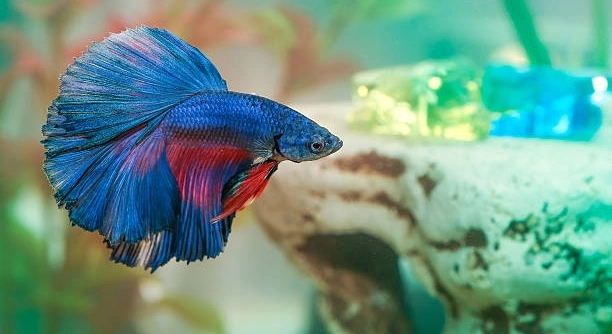
Betta fish are fascinating creatures, and their behaviors can sometimes be puzzling. One common action that may catch your attention is bubble nest-building. It’s important to understand why they do this, as it can signal different things about their health and environment.
Betta fish build bubble nests primarily as part of their breeding behavior. Males create these nests to attract females and provide a safe space for eggs. However, bubble nests can also form due to other environmental or health-related factors.
Understanding these reasons will help you ensure your Betta’s well-being. By recognizing the different causes, you can make adjustments to improve your fish’s environment and care.
Betta Fish Breeding Behavior
When male Betta fish build bubble nests, it’s usually a sign they are ready to mate. The bubble nest serves as a safe place for the eggs once a female enters the male’s territory. Bettas are natural breeders, and the presence of a bubble nest is a good indicator of their mating instincts. If you have a male Betta, you might notice him becoming more active as he constructs the nest. It can sometimes appear in various areas of the tank, like near the surface or around decorations. The nest itself consists of tiny bubbles stuck together, floating at the top.
Bubble nests are not always associated with mating, however. Some males will create them even when no female is present. This could be due to a lack of space, stress, or general excitement. As the Betta spends more time in a comfortable environment, his natural instincts may come into play, and he may start preparing for potential mates.
If you notice the bubble nest frequently, it might be worth evaluating your Betta’s tank conditions. Keeping the water at the right temperature, ensuring it’s clean, and offering hiding places can reduce stress and make him feel more secure. Sometimes, providing a female Betta may result in the nest becoming a successful breeding site.
Tank Conditions Affect Bubble Nesting
The tank conditions play a large role in whether or not a Betta will build a bubble nest.
Water temperature, quality, and tank space all affect how your Betta behaves. The ideal temperature is around 76 to 82°F, as colder water may lead to lethargy. A well-maintained tank with regular cleaning and stable water conditions will keep your Betta healthy and more likely to display natural behaviors like bubble nesting.
Betta Fish Health and Stress Levels
A Betta’s health can impact whether or not it builds a bubble nest. Stress from poor water quality, overcrowding, or other tankmates can prevent a Betta from feeling secure enough to build a nest. When stressed, Bettas may stop exhibiting normal behaviors.
Physical signs of stress in Betta fish include changes in their color or fin condition. A stressed Betta may appear dull or may have torn fins. Stress can also make them more prone to diseases. Regular water changes and ensuring the tank is the right size for your Betta can help reduce stress. If the environment improves, the Betta may return to natural behaviors like bubble nesting.
If your Betta has been showing signs of stress for a while, you might need to adjust its living conditions. Sometimes adding live plants, reducing bright lights, or giving your Betta more space can lower anxiety. By providing a less stressful environment, your Betta may feel safer and start building bubble nests again.
Age and Maturity
As Betta fish mature, they tend to build bubble nests more frequently. A younger Betta may not yet have the instinct to construct them.
Age plays a role in when a Betta will begin exhibiting breeding behaviors. A Betta fish matures at around 6 months of age, and after this, it may start showing interest in bubble nesting. If your Betta is still young, it may take some time before you see this behavior.
Water Temperature
Water temperature affects Betta fish behavior. If the temperature is too low, a Betta may not feel comfortable enough to build a bubble nest. The ideal temperature range is between 76 and 82°F.
Cold water slows down Betta metabolism, making them less active. When the water is too warm, Bettas may become stressed or lethargic. Maintaining a stable, warm environment will encourage natural behaviors like bubble nest building. A simple aquarium heater can help regulate the temperature.
Diet and Nutrition
A well-fed Betta is more likely to engage in natural behaviors like bubble nesting. If your Betta isn’t eating enough or isn’t getting the right nutrition, it could affect their mood and instincts.
Feeding high-quality Betta pellets, supplemented with live or frozen food, ensures your Betta stays healthy and active. The better their diet, the more energetic and willing they’ll be to build a nest. Proper nutrition supports overall health and makes your Betta feel more secure in its environment.
FAQ
Why does my Betta build bubble nests when there’s no female?
Even without a female, male Betta fish may build bubble nests due to natural instincts. They may create these nests as a way to prepare for potential mates or out of excitement. It could also be a sign that they feel secure and comfortable in their environment. Bubble nesting doesn’t always indicate a need for breeding. If no female is present, the nest might remain empty, but it can also serve as a place for the male to show off his health and vitality.
Can a Betta fish build a bubble nest without breeding?
Yes, a Betta fish can build a bubble nest without breeding. Male Bettas are territorial and may create nests even if no female is present. It’s a sign of their natural behavior, where they instinctively prepare a place for eggs, even if there’s no immediate breeding opportunity. The presence of a bubble nest is just part of their reproductive drive, but it can also be a reaction to environmental factors, like water conditions or space availability.
Is it a sign of stress if my Betta builds a bubble nest?
Not necessarily. In fact, bubble nesting can indicate a Betta is comfortable in its environment. However, if the Betta is building the nest in response to stress, it could mean they’re trying to make their space more suitable for mating. A stressed Betta might still build a nest, but the behavior could also be a reaction to other factors like overcrowding, poor water quality, or changes in the tank environment. It’s important to monitor for other signs of stress, such as faded colors or erratic swimming.
How often do Betta fish build bubble nests?
The frequency of bubble nest building varies from Betta to Betta. Some males may build nests daily, while others may do so less often. It’s all influenced by factors like age, health, and tank conditions. If your Betta feels secure and the conditions are right, he may build a nest regularly. However, if he’s new to your tank or if the water quality isn’t ideal, bubble nesting may be less frequent.
Do I need to remove the bubble nest from my Betta’s tank?
No, there’s no need to remove a bubble nest unless it’s causing problems in the tank. Bubble nests are harmless and typically don’t interfere with the Betta’s daily life. In fact, if you plan on breeding your Betta, the nest will act as a natural area for eggs. If the nest gets too big or messy, it might be helpful to remove it gently to prevent water flow issues or accumulation of debris.
Can I breed Betta fish if I notice a bubble nest?
Yes, a bubble nest is one of the first signs that a male Betta may be ready to breed. If you want to breed your Betta fish, it’s a good idea to provide a female Betta. When the female enters the male’s territory, he will show his nest and court her. However, breeding requires specific steps, such as water temperature control, tank conditions, and proper care during the process. It’s important to prepare for the breeding process before attempting to introduce a female.
Does bubble nesting indicate a Betta fish is healthy?
Yes, bubble nesting can be a sign that your Betta is healthy and feeling secure. When Betta fish are healthy, they tend to be more active and display natural behaviors, such as building bubble nests. A healthy Betta has the energy and vitality to perform such tasks. However, a lack of bubble nesting doesn’t necessarily mean your Betta is unhealthy. It could simply be a sign of environmental stress or other factors affecting their behavior.
How can I encourage my Betta to build more bubble nests?
To encourage your Betta to build bubble nests, you need to ensure the right environment. Keep the water temperature between 76 and 82°F, and ensure the water is clean and free from toxins. Avoid having too many tankmates, as Betta fish prefer having their space. Live plants, a calm environment, and a suitable tank size can all help make your Betta feel more secure and encourage natural behaviors like bubble nesting.
Is it normal for my Betta to stop building bubble nests?
Yes, it’s normal for Betta fish to stop building bubble nests. This can happen for several reasons, including changes in water quality, temperature, or even seasonal fluctuations in their behavior. A Betta may also stop building nests if they are feeling unwell, stressed, or if the tank conditions aren’t ideal. Keep monitoring your Betta’s health and environment, and if the lack of nesting persists, it may be a sign of something that needs attention.
Can I add a female Betta to the tank when my male is building a bubble nest?
Yes, if your male Betta is building a bubble nest and you want to breed, introducing a female Betta is the next step. However, make sure both Bettas are in optimal health and the tank conditions are suitable for breeding. You should also carefully supervise the introduction, as male Bettas can become aggressive towards females. If you’re not planning to breed, it’s best to avoid adding a female to prevent unnecessary stress or conflict.
Why does my Betta build a bubble nest in the corner of the tank?
Male Betta fish often choose corners or areas near decorations to build their bubble nests because they feel these locations provide more security. The corners can offer natural hiding spots and less chance of disruption from the flow of water or other tankmates. This is a normal behavior, and the nest’s location doesn’t typically indicate a problem. It’s simply the Betta’s way of preparing a safe space.
Final Thoughts
Betta fish are unique creatures, and their behaviors, such as building bubble nests, are part of their natural instincts. A bubble nest doesn’t always mean that your Betta is preparing to breed, though it’s often a sign of a healthy and secure fish. Whether your Betta is building a nest due to mating instincts, environmental comfort, or simply natural behavior, understanding why it happens can help you care for your fish more effectively. The key is ensuring that the tank environment is clean, stable, and free from stress, as this allows your Betta to feel comfortable and express natural behaviors.
While it’s common for Betta males to build bubble nests, it’s important to remember that these nests are not always related to breeding. Even without a female present, your Betta may build a nest to claim his territory or to prepare for future mating opportunities. On the other hand, if your Betta stops building bubble nests, it may be due to stress, health issues, or a change in the environment. It’s important to observe your Betta’s overall behavior and look for any signs of stress, such as a loss of color, torn fins, or unusual swimming patterns.
Ultimately, understanding your Betta’s behavior and environment will help you provide the best care for your fish. Bubble nests are just one part of your Betta’s personality, and recognizing the reasons behind this behavior allows you to take better care of your fish. Whether you’re looking to breed Betta fish or simply keep a healthy environment, providing the right conditions is key. With a stable tank, proper nutrition, and a little patience, your Betta will continue to thrive, and you’ll enjoy watching him express his natural instincts.

Hello,
If you enjoy the content that we create, please consider saying a "Thank You!" by leaving a tip.
Every little bit helps us continue crafting quality advice that supports the health, happiness, and well-being of pets around the world, for pets of all shapes, sizes, and species.
We really appreciate the kindness and support that you show us!