
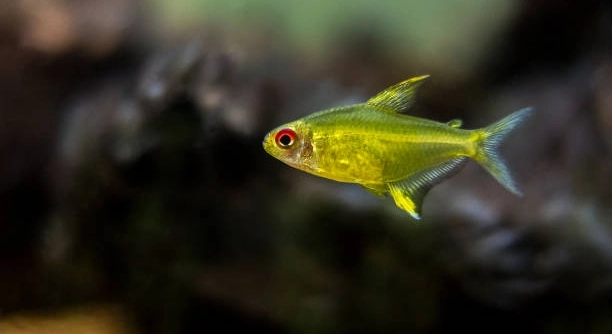
Many aquarium owners enjoy keeping arowanas for their beauty and elegance, but sometimes their fish display unusual behaviors. One behavior that can catch attention is when an arowana starts swimming backward in the tank.
Arowanas swimming in reverse is often caused by stress, water quality issues, or swim bladder disorders. Maintaining proper tank conditions, checking water parameters, and observing for physical symptoms are essential steps in identifying the underlying problem.
Understanding why your arowana behaves this way can prevent further health complications and create a more comfortable environment for your fish to thrive.
Common Causes of Reverse Swimming
Arowanas may swim backward for several reasons. Poor water quality is a major factor. High ammonia or nitrite levels, sudden temperature changes, and low oxygen can stress your fish. Swim bladder problems are another frequent cause. This organ helps maintain buoyancy, and any disorder can make swimming difficult. Stress from overcrowding or aggressive tankmates can also influence behavior. Some arowanas respond to discomfort or environmental changes by swimming in unusual patterns. Overfeeding may worsen the problem by affecting the digestive system and creating internal pressure that impacts the swim bladder. Even minor injuries or infections can interfere with normal movement. Observing your arowana daily helps detect early signs of illness. Removing stressors, ensuring proper diet, and maintaining stable water conditions are effective ways to reduce backward swimming. Regular water testing and partial water changes are key to keeping your tank safe and supportive. Consistency in care is essential for overall health.
Maintaining stable water conditions, a balanced diet, and a clean tank can reduce stress and support normal swimming behavior.
Reverse swimming can indicate serious issues if not addressed. It may be a sign of internal infection or a swim bladder disorder. Prompt intervention often prevents worsening conditions. Consulting with an aquatic veterinarian can provide guidance on treatment and recovery options for affected arowanas. Careful monitoring and preventive measures create a safer environment for long-term health.
Environmental Adjustments for Arowanas
Adjusting tank conditions can quickly improve your arowana’s behavior. Providing a spacious tank with hiding spots reduces stress and encourages normal swimming.
Water temperature, pH, and oxygen levels must be monitored regularly. Sudden changes can trigger unusual behaviors like swimming backward. Overcrowding increases tension among fish and limits free movement. Gentle water flow helps maintain oxygenation without overwhelming the fish. Proper lighting, regular water changes, and appropriate filtration are essential for a stable environment. Introducing enrichment, such as floating plants or subtle decorations, can reduce boredom and anxiety. Avoid placing aggressive tankmates that may chase or intimidate your arowana. Observing feeding habits ensures that overfeeding or improper diet does not affect buoyancy. By creating a calm, well-maintained habitat, you allow your arowana to swim naturally and reduce stress-related behaviors. Consistent care and attention to environmental factors play a vital role in promoting overall health and longevity.
Diet and Feeding Habits
Overfeeding can cause swim bladder issues and digestive problems. Feeding smaller portions more frequently helps your arowana maintain proper buoyancy and reduces the chance of backward swimming.
Arowanas need a balanced diet with protein-rich foods like pellets, live or frozen fish, and occasional insects. Uneaten food should be removed promptly to prevent water contamination. Avoid feeding too many fatty foods or high-starch items, as they can disrupt digestion. Observing how your arowana eats can indicate potential health problems early. Feeding at consistent times daily also helps regulate metabolism and prevents stress-related behavior. A varied diet keeps your fish energetic and supports overall health, reducing unusual swimming patterns caused by dietary issues.
In addition to portion control, consider feeding foods that aid digestion. Soaking dry foods before feeding and offering fiber-rich items like peas can help prevent constipation. Keeping track of your arowana’s eating habits helps you notice sudden changes. Any refusal to eat or spitting out food may indicate illness. Monitoring both diet and tank cleanliness works together to support buoyancy and normal swimming. Small adjustments in feeding routines often improve your arowana’s swimming behavior significantly.
Monitoring Health and Symptoms
Swim bladder problems, infections, and injuries often show additional signs beyond backward swimming. Watch for bloating, lethargy, or erratic movements.
Regular observation of your arowana’s behavior and appearance helps catch issues early. Check for swollen abdomen, discolored scales, torn fins, or unusual spots. Physical changes paired with reverse swimming often point to internal or external health problems. Maintaining a clean tank with stable conditions minimizes the risk of disease. Any sudden change in activity or appetite can signal a developing problem. Prompt attention to these symptoms improves recovery chances. Documenting behavior over time helps detect patterns, allowing timely interventions before serious complications occur. Consistent health checks combined with good tank management create a safer environment for your arowana.
Water Quality Checks
Regular water testing is essential to prevent reverse swimming. Ammonia, nitrite, and nitrate levels should remain within safe ranges to reduce stress and maintain your arowana’s health.
Partial water changes and proper filtration help maintain stable water conditions. Avoid sudden chemical additions or temperature swings that can disturb your fish.
Treating Swim Bladder Issues
Swim bladder disorders often require dietary adjustments and careful observation. Feeding soaked pellets or vegetables like peas can reduce constipation and improve buoyancy. Avoid overfeeding and provide gentle water flow to help your arowana regain balance. If symptoms persist, consult an aquatic veterinarian for targeted treatment.
Observing Behavior Patterns
Documenting swimming habits daily helps identify triggers for reverse swimming. Consistent monitoring can reveal stress, illness, or environmental problems early.
FAQ
Why is my arowana swimming in reverse suddenly?
Sudden reverse swimming is often linked to stress, water quality issues, or swim bladder problems. Check ammonia, nitrite, and nitrate levels, and make sure the tank temperature is stable. Overfeeding or aggressive tankmates can also trigger this behavior. Observing your fish closely helps identify the source.
Can diet alone fix reverse swimming?
Diet plays a major role in swim bladder health. Feeding smaller portions and including fiber-rich foods like peas or soaked pellets can reduce constipation. Avoid fatty or high-starch foods. While diet helps, it may not fix underlying water quality or stress-related issues. A combined approach works best.
How can I tell if it’s a swim bladder problem?
Swim bladder issues often come with bloating, difficulty maintaining position, or floating sideways. If your arowana struggles to rise or sink, it may indicate buoyancy problems. Consistent monitoring of swimming patterns and physical appearance can confirm this early.
Do tank size and setup affect this behavior?
Yes, arowanas need spacious tanks with proper filtration and gentle water flow. Overcrowding or insufficient hiding spots causes stress, which may lead to backward swimming. Decorations, plants, and calm tankmates create a more supportive environment.
Is reverse swimming always a sign of illness?
Not always. Temporary backward swimming can occur during feeding, excitement, or minor stress. Persistent reverse swimming, combined with lethargy, loss of appetite, or visible physical changes, usually points to a health concern.
Can water changes help?
Regular water changes stabilize water parameters and remove harmful chemicals. Partial changes of 20-30% weekly, combined with proper filtration, reduce stress and improve overall swimming behavior. Avoid large sudden changes, as they can worsen stress.
Should I consult a veterinarian?
If reverse swimming continues despite proper diet, water quality, and stress reduction, a qualified aquatic veterinarian can diagnose swim bladder disorders, infections, or other internal issues. Early consultation improves the chances of successful treatment and recovery.
Are certain arowanas more prone to this?
Juvenile or young arowanas may be more sensitive due to developing swim bladders. Older fish can also develop issues with age, diet, or tank conditions. Individual temperament and activity levels influence susceptibility.
How long does it take for my arowana to recover?
Recovery depends on the cause. Minor dietary adjustments or water corrections may show improvement in days. Swim bladder disorders or infections may take weeks, especially with veterinary treatment. Patience and consistent care are key.
Can stress from other fish trigger reverse swimming?
Yes, aggressive or territorial tankmates create stress that affects swimming patterns. Removing or separating hostile fish often resolves behavioral issues. Observing interactions and providing adequate space helps minimize conflict.
Is feeding live fish safe for swim bladder health?
Live fish can be a good protein source but should be appropriately sized. Overfeeding or aggressive hunting can cause stress. Frozen or prepared foods soaked before feeding are safer for consistent buoyancy.
How do I prevent future reverse swimming?
Maintain clean water, provide balanced diet, avoid overcrowding, and monitor tankmates. Routine checks of temperature, pH, and ammonia reduce stress. Consistent care ensures healthy buoyancy and reduces the likelihood of reverse swimming.
What signs indicate serious illness beyond reverse swimming?
Look for bloating, discoloration, torn fins, lethargy, or sudden appetite loss. Persistent backward swimming with these symptoms often indicates infection or swim bladder disorder. Immediate action improves recovery chances.
Can water temperature affect swimming behavior?
Yes, temperature swings stress arowanas and impact metabolism. Keep water stable within species-specific ranges. Avoid placing heaters or filters in ways that create strong currents or hotspots. Stable temperature supports normal buoyancy and behavior.
Is it normal for arowanas to occasionally swim backward?
Occasional backward movement during feeding or exploring the tank is generally harmless. Persistent, repeated backward swimming is abnormal and usually signals a problem with health, diet, or environment.
Reverse swimming in arowanas can feel worrying, especially if you have invested time and care into your aquarium. It is important to remember that this behavior is often a signal from your fish rather than an immediate crisis. Many times, backward swimming is caused by stress, poor water quality, or minor swim bladder issues. Observing your fish carefully and noting changes in behavior or appetite can provide important clues. Small adjustments, like checking water parameters, improving filtration, or providing a calmer tank environment, can make a noticeable difference. Keeping a consistent routine for feeding and tank maintenance helps your arowana feel secure and reduces unusual swimming patterns.
Diet plays a major role in preventing and addressing reverse swimming. Overfeeding or offering the wrong types of food can lead to constipation or internal pressure that affects buoyancy. Feeding smaller portions more frequently and including fiber-rich foods such as peas or soaked pellets can help maintain proper swim bladder function. It is also helpful to remove uneaten food promptly to avoid water contamination. While diet alone may not solve every problem, it works in combination with stable water conditions, adequate tank space, and proper filtration to support overall health. Consistent observation of eating habits, paired with adjustments in feeding routines, often improves swimming behavior within days to weeks.
Preventing reverse swimming is largely about creating a stable and supportive environment for your arowana. Proper tank size, gentle water flow, and adequate hiding spots all contribute to reducing stress. Monitoring temperature, pH, and ammonia levels regularly ensures that your fish are not exposed to sudden environmental changes. Aggressive tankmates or overcrowding can increase stress, so careful planning of your aquarium setup is essential. If reverse swimming persists despite these measures, consulting an aquatic veterinarian can help identify underlying health problems such as swim bladder disorders or infections. By maintaining consistent care and paying attention to both environmental and dietary factors, you can help your arowana return to normal swimming patterns and maintain long-term health.

Hello,
If you enjoy the content that we create, please consider saying a "Thank You!" by leaving a tip.
Every little bit helps us continue crafting quality advice that supports the health, happiness, and well-being of pets around the world, for pets of all shapes, sizes, and species.
We really appreciate the kindness and support that you show us!