
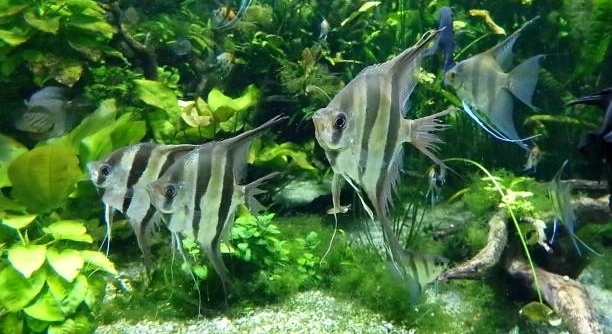
Angelfish are beautiful and delicate creatures, but sometimes their tails may begin to curl. If you’ve noticed this happening, it’s essential to understand why this occurs and what you can do to fix it.
Tail curling in angelfish is often caused by water quality issues, stress, poor diet, or disease. Ensuring a stable environment, providing a balanced diet, and monitoring water conditions are crucial to preventing and correcting this problem.
By identifying the causes of your angelfish’s tail curling, you can take the necessary steps to help them recover and thrive in their tank.
Poor Water Quality
One of the most common reasons for tail curling in angelfish is poor water quality. Angelfish are very sensitive to their environment, and when water conditions aren’t ideal, it can lead to physical stress, including tail curling. Ammonia, nitrite, and nitrate levels should all be monitored closely. High ammonia or nitrite levels can harm your angelfish and cause their tails to curl. Regular water changes, proper filtration, and a consistent water temperature are key to maintaining healthy water quality. If the pH level is too high or low, the fish can become stressed, which contributes to health issues like tail curling.
Maintaining a stable and clean environment is essential for angelfish. Always test water regularly to ensure it’s safe and healthy.
By regularly testing your tank’s water quality and taking action when needed, you can keep your angelfish in top condition. Consider using a water conditioner if your tap water contains harmful chemicals like chlorine or chloramine, which can also harm your fish.
Stress and Overcrowding
Stress is another common reason for tail curling in angelfish. Overcrowded tanks can lead to territorial disputes, causing your fish to feel threatened and stressed. Angelfish need space to swim and establish territories. If they feel crowded, it can result in curled tails, hiding, and other health problems. Keeping a balanced fish-to-tank size ratio is crucial for your angelfish’s well-being.
Stress can also be caused by sudden changes in water temperature or lighting, loud noises, or the introduction of new fish.
To prevent stress-related tail curling, make sure your tank is large enough to accommodate your fish comfortably. Monitor water temperature carefully and avoid placing the tank in a high-traffic area. Offering hiding spots and decorations also helps angelfish feel more secure, reducing stress.
Poor Diet and Malnutrition
A poor diet is another factor that can lead to tail curling in angelfish. Inadequate nutrition weakens their immune system and affects their overall health. Ensure you’re feeding them a balanced diet that includes high-quality flakes, pellets, and occasional live or frozen foods.
When angelfish aren’t getting the right nutrients, they become more susceptible to diseases and stress, leading to physical problems like curled tails. Lack of essential vitamins and minerals can also cause deformities over time. To keep your fish healthy, rotate their diet with varied foods that provide necessary nutrients, like protein, fats, and fiber.
Angelfish also need specific nutrients to maintain their vibrant color and shape. Deficiencies in vitamins, such as Vitamin C or D, can manifest as physical signs, including tail curling. Feeding your angelfish a variety of foods helps ensure they get everything they need to thrive. Some may even enjoy occasional treats like bloodworms or brine shrimp, which contribute to their overall health and prevent malnutrition-related issues. Regularly adjusting their food choices will keep them strong, happy, and more resistant to illnesses.
Temperature Fluctuations
Angelfish are sensitive to temperature changes, and fluctuations in their tank’s temperature can cause tail curling. They thrive in stable, warm conditions, typically between 76-82°F (24-28°C). Temperatures outside of this range can result in stress, weakened immunity, and physical deformities.
If the temperature in your tank fluctuates too much, it can cause discomfort for your angelfish. Sudden changes can lead to shock, and the prolonged exposure to unsuitable temperatures will make them more susceptible to disease. If you notice your fish becoming lethargic or stressed, it might be a sign that the water temperature is unstable.
To prevent temperature-related issues, use a reliable aquarium heater and thermometer to monitor the tank’s conditions. A consistent temperature helps keep your fish comfortable and healthy, reducing stress that may lead to tail curling. Additionally, avoid placing your tank in areas that experience drafts or direct sunlight, as these can cause temperature swings that your fish will find stressful.
Disease or Infection
Diseases and infections can also cause tail curling in angelfish. Bacterial, fungal, or parasitic infections affect their health, causing symptoms like tail deformities. Treating the infection early can help prevent permanent damage.
Common infections that cause tail curling include fin rot and velvet disease. These conditions cause the tail to deteriorate and curl, often accompanied by other signs like discoloration or frayed fins. To address the issue, make sure to isolate the affected fish, treat them with appropriate medications, and maintain a clean tank environment.
Keeping an eye out for symptoms such as discoloration or excessive slime can help detect infections early. If you notice these signs, act quickly by adding the correct medication to the tank and isolating the infected fish to avoid spreading it to others. Maintaining proper tank hygiene will also prevent infections from recurring.
Poor Genetics
Poor genetics can result in tail curling in angelfish. Some fish may have inherited weaker immune systems or physical deformities. When breeding, genetics play a major role in the health of the offspring.
Angelfish bred from weak or unhealthy stock are more likely to develop physical issues like tail curling. Genetics can cause abnormalities that affect growth and shape, leading to problems later on. If you’ve noticed consistent tail curling in your angelfish, it could be a sign of poor breeding practices.
Overfeeding
Overfeeding is another cause of tail curling. When angelfish eat too much, it can lead to obesity, poor digestion, and an overall unhealthy condition. This added stress can cause physical problems, including tail curling.
FAQ
What should I do if my angelfish’s tail is curling?
If you notice that your angelfish’s tail is curling, the first step is to assess the water quality. Check the ammonia, nitrite, and nitrate levels, as well as the pH, temperature, and hardness. Make sure the tank is clean, with proper filtration and regular water changes. Also, ensure the temperature remains within the ideal range for angelfish, which is typically 76-82°F (24-28°C). If the water quality is good and the tail is still curling, you may need to address other factors like stress, diet, or potential diseases.
Can stress cause tail curling in angelfish?
Yes, stress is a significant factor in tail curling. Angelfish can become stressed from overcrowding, sudden temperature changes, or poor tank conditions. When they feel threatened or uncomfortable, it can affect their health, including their tail. To reduce stress, ensure the tank has enough space, minimize disturbances, and keep a consistent environment. Adding plants or hiding spots can also help angelfish feel more secure, reducing their stress levels and improving their overall health.
How can I improve my angelfish’s diet to prevent tail curling?
To prevent tail curling, ensure your angelfish receive a balanced and varied diet. A diet rich in protein, vitamins, and minerals is crucial for their growth and health. High-quality flakes, pellets, and occasional live or frozen foods such as brine shrimp and bloodworms will help. Make sure to offer a mix of foods to ensure they receive all the necessary nutrients. Malnutrition can lead to weakened immune systems and physical issues, such as tail curling. Try rotating their food choices to keep their diet diverse and nutritionally complete.
What temperature is best for my angelfish to avoid tail curling?
Angelfish thrive in stable temperatures ranging between 76-82°F (24-28°C). Temperature fluctuations can cause stress and lead to health problems, including tail curling. It’s important to use a reliable aquarium heater and thermometer to maintain a consistent environment for your angelfish. Sudden temperature changes, such as placing the tank in a drafty area or near direct sunlight, can stress them out and trigger tail curling. Keeping the tank’s temperature stable will support their overall health and reduce the risk of tail curling caused by environmental stress.
Can poor water quality be fixed easily?
Yes, poor water quality can be fixed by performing regular water changes and ensuring proper filtration. Test the water regularly for ammonia, nitrite, nitrate levels, and pH to make sure everything is within the recommended range. If water quality issues persist, consider using a water conditioner or upgrading your filtration system. Consistent care and maintenance are crucial for keeping the water clean and healthy. Maintaining good water quality will also help prevent stress-related tail curling and other health issues in your angelfish.
How can I treat infections causing tail curling?
If your angelfish’s tail curling is due to an infection, it is essential to isolate the affected fish to prevent the spread of the disease. Identify the type of infection, such as fin rot or velvet disease, and treat it with the appropriate medication. Always follow the manufacturer’s instructions for dosage and treatment duration. Clean the tank thoroughly and remove any affected decorations or substrate. Ensure that your angelfish’s environment is optimal and continue monitoring their health. Early detection and treatment can prevent long-term damage and help your fish recover more quickly.
Is tail curling a sign of a serious problem in my angelfish?
Tail curling can indicate underlying issues, but it’s not always a sign of a severe problem. It could be caused by something as simple as poor water quality or an overcrowded tank. However, if it persists or worsens despite addressing these factors, it could be a sign of disease, poor genetics, or malnutrition. Regularly observe your fish and take action if you notice other symptoms like lethargy, loss of color, or fading fins. Early intervention is crucial to prevent further damage to your fish’s health.
Can overfeeding cause tail curling in angelfish?
Yes, overfeeding can cause tail curling. When angelfish are overfed, they become obese, and their digestive system can struggle to keep up. This added stress can lead to physical deformities, including tail curling. Overfeeding can also cause water quality issues, as uneaten food decays and contaminates the water. To avoid this, feed your angelfish only the amount of food they can consume within a few minutes. It’s better to feed smaller portions more frequently to prevent overfeeding while ensuring they receive proper nutrition.
How often should I change the water in my angelfish tank?
Water changes are essential for maintaining a healthy environment for your angelfish. It’s recommended to change 20-30% of the water every week, depending on tank size and fish population. Regular water changes help remove waste, excess nutrients, and toxins that can accumulate over time. If the water quality starts deteriorating quickly, you may need to adjust the frequency of water changes. Always use a dechlorinator if using tap water to ensure it’s safe for your fish.
Can tail curling be a sign of old age in angelfish?
Tail curling can sometimes be a sign of aging, as older angelfish may develop physical deformities due to wear and tear. However, it’s important to rule out other causes such as poor water quality, stress, or infection before attributing tail curling to old age. If your angelfish is elderly and the tail curling is gradual without other health issues, it might simply be a result of their age. Ensure their tank environment remains stable, and continue providing them with a nutritious diet to keep them as healthy as possible.
Do water conditioners help prevent tail curling in angelfish?
Yes, water conditioners can help prevent tail curling by improving the overall water quality in your tank. These conditioners neutralize harmful chemicals like chlorine and chloramine, which can stress your fish and contribute to issues like tail curling. Regular use of a high-quality water conditioner can improve your fish’s health by ensuring they’re in a safe, clean environment. Always follow the manufacturer’s instructions for the proper amount to use, as overdosing can cause more harm than good.
Final Thoughts
Tail curling in angelfish can be caused by a range of factors, from poor water quality to stress and even infections. While it can be concerning, it’s important to remember that identifying the cause early can make a significant difference in your fish’s recovery. By maintaining optimal water conditions, feeding your angelfish a balanced diet, and providing a stress-free environment, you can reduce the risk of this issue happening. In many cases, small changes in tank maintenance and care can improve your fish’s health and prevent further complications.
If your angelfish’s tail curling persists despite efforts to improve their environment, it might be necessary to seek more specific treatments. For example, if you suspect an infection, isolating the affected fish and using the correct medication can help. In cases where genetics or age might be factors, there might be fewer options for fixing the issue, but providing proper care can still make them more comfortable. It’s always a good idea to monitor your fish’s overall behavior and condition to ensure they’re not suffering from other health issues that might require attention.
Ultimately, ensuring the best possible care for your angelfish is the key to preventing tail curling and other health problems. Regular water testing, maintaining a proper diet, and reducing stress factors can go a long way in keeping your fish healthy and vibrant. Keep in mind that fish health is not just about addressing visible issues like tail curling but also about maintaining an environment where they can thrive. By staying attentive and proactive, you can help your angelfish live a long, happy life.

Hello,
If you enjoy the content that we create, please consider saying a "Thank You!" by leaving a tip.
Every little bit helps us continue crafting quality advice that supports the health, happiness, and well-being of pets around the world, for pets of all shapes, sizes, and species.
We really appreciate the kindness and support that you show us!