
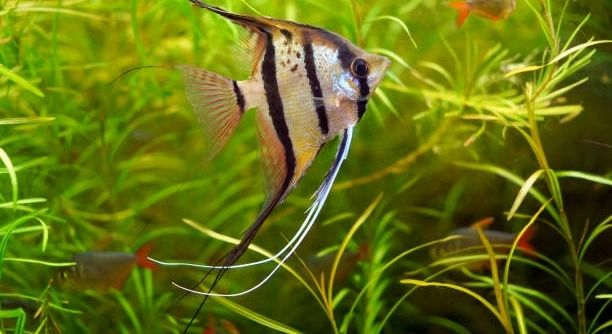
Angelfish are known for their beautiful colors and unique behaviors. However, when their breeding behavior seems inconsistent, it can be confusing for fish owners. Understanding what might be causing these fluctuations can help improve the situation.
The inconsistency in your angelfish’s breeding behavior could stem from several factors, such as water quality, temperature, diet, stress, tank mates, or even genetic influences. Each of these elements plays a crucial role in their reproductive patterns.
Several aspects, including environmental changes and fish health, could be influencing your angelfish’s breeding habits. We will explore the most common theories behind this behavior and offer tips on how to address them.
1. Water Quality and Consistency
Angelfish are particularly sensitive to changes in water quality. Poor water conditions can lead to stress, which may affect their breeding patterns. It’s essential to regularly monitor the water’s pH, hardness, and temperature. Small fluctuations in these levels can cause confusion for your fish, leading them to delay or abandon breeding attempts.
Water quality includes both the cleanliness and the chemical balance of the tank. Ammonia, nitrate, and nitrite levels should always be checked to ensure they are safe. A proper filtration system is vital in keeping the tank free of harmful substances. Frequent water changes are also necessary to maintain healthy water.
Consistent water conditions are key for promoting successful breeding. Sudden changes, whether in temperature or pH, may trigger stress responses in your angelfish. This can make them hesitant to breed. By ensuring your tank’s environment stays stable, your fish will have a better chance at successful reproduction. Regularly testing the water and keeping it within optimal ranges will help prevent issues related to breeding.
2. Diet and Nutrition
A well-balanced diet can significantly impact your angelfish’s breeding success.
Providing a mix of high-quality flakes, pellets, and occasional live food can give them the energy needed to breed. The nutritional content directly affects their overall health, which in turn influences their reproductive behavior.
Angelfish require protein-rich foods to maintain strength and vitality, especially during the breeding season. Their diet should be supplemented with live or frozen foods like brine shrimp, bloodworms, and daphnia. A lack of proper nutrition may result in a lack of energy or interest in breeding, leading to inconsistency in their behavior. Always ensure the food is varied and balanced for maximum effectiveness. Regular feeding schedules also help in maintaining their health, which is crucial for breeding success.
3. Stress
Stress can severely affect your angelfish’s breeding behavior.
Factors such as overcrowding, aggressive tank mates, and frequent changes in the environment can cause stress. This disruption can make your angelfish hesitant to breed, as they may feel unsafe or unsettled. Creating a calm, stable environment is essential.
To reduce stress, ensure that your angelfish have plenty of space and can retreat to peaceful areas when needed. Keeping their tank mates compatible and avoiding overcrowding is important for minimizing aggression and stress. Regularly check on their behavior to spot any signs of distress. By addressing these stressors, you can help your angelfish breed more consistently.
4. Temperature
Angelfish breed best when the temperature is stable.
A sudden drop or increase in temperature can confuse your fish and make them less likely to breed. The ideal range for breeding is between 78°F and 82°F. Keeping the tank within this range is crucial for maintaining their reproductive cycles.
If the temperature fluctuates too much, your angelfish may delay breeding. Too cold, and they may become sluggish; too warm, and they might become stressed. A consistent, warm environment signals to your fish that it’s the right time to breed. This stable condition will help maintain their breeding rhythm.
5. Tank Mates
The presence of certain tank mates can influence breeding behavior.
Angelfish can be territorial, and the wrong companions may create tension. Aggressive or overly active fish might stress your angelfish, causing them to delay or avoid breeding. It’s important to choose peaceful tank mates that won’t disrupt the angelfish’s environment.
Aggressive species, like cichlids or fast-moving fish, can intimidate angelfish, making them less inclined to breed. Choosing compatible tank mates such as peaceful tetras or plecos is a good option. Providing hiding spots and ensuring each fish has enough space helps reduce conflicts. This way, your angelfish can focus on breeding without interference.
6. Genetics
Genetics can play a significant role in your angelfish’s breeding behavior.
Not all angelfish are equally inclined to breed. Some may naturally have a lower reproductive drive due to genetic factors. If you’ve noticed irregular breeding patterns, genetics could be a factor that’s not easily fixed.
Some angelfish may not breed as frequently, no matter how optimal the tank conditions are. This can be because they have inherited certain traits from their parents. While there’s little you can do to alter this, understanding the genetic background of your fish can help set expectations for breeding.
FAQ
Why do angelfish stop breeding suddenly?
Angelfish may stop breeding suddenly due to various factors, such as changes in water quality, temperature fluctuations, or stress. Any shift in their environment, whether it’s a new tank mate, overcrowding, or improper water parameters, can disrupt their breeding cycle. Even minor stressors can cause them to abandon breeding attempts. It’s also possible that the fish have reached the end of their breeding season and need a rest period. If they’ve been breeding for a while, they may simply take a break before attempting again.
Can water hardness affect angelfish breeding?
Yes, water hardness can influence angelfish breeding. They prefer soft to slightly hard water, with a pH level between 6.5 and 7.5. If the water hardness is too high, it can stress your angelfish and make them less likely to breed. To prevent this, regularly monitor water parameters and adjust accordingly. Water softeners or conditioners can help if your tank has hard water, but always be cautious when making adjustments. Too sudden a change in water chemistry can be harmful to the fish.
How can I encourage my angelfish to breed?
To encourage breeding, provide an environment that mimics their natural habitat. Maintain stable water temperature between 78°F and 82°F, and keep the water clean and slightly acidic. Make sure there are plenty of hiding spots for the female to feel safe. Also, feed your angelfish a high-quality, protein-rich diet. If the fish are healthy, well-fed, and in a stress-free environment, they are more likely to breed. If you’re not seeing success, consider giving them more time to settle in or adjusting tank conditions for better breeding results.
Should I separate my angelfish during breeding?
It’s not necessary to separate angelfish during breeding unless there’s aggression. In a well-set-up tank, the pair will typically form a bond and lay eggs on a flat surface, such as a leaf or rock. If you notice that one fish is being harassed or stressed, separating them temporarily can give the other fish a chance to recover. However, generally, letting them breed in a peaceful, stable tank environment will result in more success. Always monitor their behavior closely to make sure the fish are not stressed or fighting.
Why is my angelfish not fertilizing the eggs?
If the eggs aren’t fertilizing, it could be due to several reasons, such as an unbalanced pair or improper water conditions. Sometimes, one fish in the breeding pair may not be fully mature or healthy enough to produce viable eggs or sperm. In some cases, water temperature may also play a role. If the temperature is too low or too high, it can affect the fertilization process. Ensure the water is at the ideal temperature for breeding, and the fish are in good health. If this issue persists, consider pairing different angelfish together to see if another match produces better results.
Can I leave the eggs in the tank with other fish?
It’s risky to leave the eggs in the tank with other fish. While angelfish parents are generally protective of their eggs, other tank mates may nibble on them or cause disturbances. If you’re hoping for the eggs to hatch, it’s better to isolate the eggs or carefully remove them to a breeding box. This will increase the chances of survival and reduce the risk of the eggs being eaten. If you do choose to keep the eggs in the main tank, ensure that the tank mates are non-aggressive and peaceful.
How long does it take for angelfish eggs to hatch?
Angelfish eggs typically hatch in about 2 to 3 days, depending on the water temperature. Warmer temperatures within the ideal range of 78°F to 82°F can speed up the process, while cooler temperatures may slow it down. During this time, the eggs should be kept clean and free from any bacteria or fungus. It’s important to monitor them closely. Once the eggs hatch, the fry will remain attached to the surface for a few more days before swimming freely. Be ready to provide them with proper food once they start moving.
What can I do if my angelfish eggs turn white?
If your angelfish eggs turn white, it often indicates that they are not viable and may have fungus. White eggs typically fail to develop properly, and fungus can spread quickly, infecting healthy eggs as well. To prevent this, remove the affected eggs promptly. You can use a special fungicide or carefully siphon off the white eggs. Keeping the water quality high and ensuring the tank remains clean will reduce the chances of fungus. Additionally, consider moving the eggs to a more controlled environment where you can monitor them more closely.
Can angelfish breed in a community tank?
Yes, angelfish can breed in a community tank as long as the tank mates are compatible. However, breeding success might be lower due to potential stress from other fish. It’s best to provide angelfish with a breeding area where they can lay their eggs undisturbed. Avoid overcrowding, and keep the water quality in check. It’s also a good idea to add peaceful tank mates, such as tetras or corydoras, and ensure there’s enough space for the angelfish to establish their territory. With the right setup, breeding in a community tank can be successful.
Why do my angelfish keep eating their eggs?
It’s normal for some angelfish to eat their eggs, especially if they’re first-time breeders or if they feel the eggs aren’t viable. Sometimes, the parents eat the eggs out of instinct or because they’re not confident in the safety of the environment. In some cases, the parents may also consume the eggs if there’s an issue with water quality or temperature. If you want to prevent this, try removing the eggs and placing them in a breeding box or setting up a separate breeding tank for better control.
Can angelfish breed without a mate?
No, angelfish cannot breed without a mate. Breeding requires a male and female angelfish to form a pair. Both fish need to be mature and healthy for successful reproduction. Sometimes, angelfish will choose their own mates based on compatibility, so if you have multiple angelfish in the tank, they might eventually pair off. However, it’s important to have both sexes in the tank to facilitate breeding. Without a mate, an angelfish will not produce eggs.
Final Thoughts
Angelfish can be tricky when it comes to breeding, especially if their behavior seems inconsistent. There are several factors to consider that can affect whether or not they breed, including water quality, temperature, stress, and their diet. By maintaining a stable, healthy environment, you can increase the chances of successful breeding. It’s also important to remember that angelfish, like any other fish, are living creatures with unique needs and behaviors. Their reproductive cycles might not always be predictable, so patience is key.
Keeping a close eye on the water parameters and ensuring they stay consistent is essential for promoting breeding. Small changes, such as a shift in temperature or water chemistry, can have a big impact on their behavior. Along with that, providing a balanced diet that meets their nutritional needs will support their overall health, making them more likely to breed. Sometimes, it’s simply a matter of waiting for the right conditions to line up. If your angelfish don’t breed immediately, it doesn’t mean that you’re doing something wrong; it may just take a little more time or a slight adjustment to the environment.
Finally, remember that breeding can sometimes be unpredictable, even when everything seems perfect. Angelfish may not always want to breed at the same time or may stop for various reasons, such as changes in the environment or their own health. It’s important not to get discouraged. By creating the right environment, ensuring they have a good diet, and reducing stress, you’ll give your angelfish the best chance to breed. Just keep in mind that nature can be unpredictable, and it might take time before you see the results you’re hoping for.

Hello,
If you enjoy the content that we create, please consider saying a "Thank You!" by leaving a tip.
Every little bit helps us continue crafting quality advice that supports the health, happiness, and well-being of pets around the world, for pets of all shapes, sizes, and species.
We really appreciate the kindness and support that you show us!