
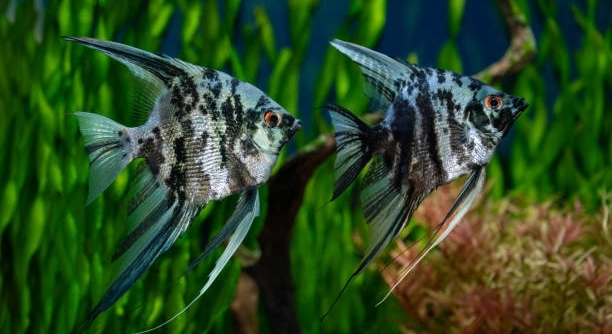
Sometimes, angelfish can behave in ways that are hard to explain, leaving you wondering what’s going on. If your angelfish has been acting differently, you’re not alone. Many aquarium owners face this challenge, and it’s natural to seek answers.
Changes in angelfish behavior may occur due to several factors, including environmental stress, illness, or changes in diet. Understanding these influences can help you address any issues and create a healthier environment for your fish.
From water quality to social dynamics, there are multiple reasons behind your angelfish’s behavior shift. Let’s look into the seven most common causes and what you can do to help your fish adjust.
Changes in Water Quality
Angelfish are sensitive to their environment, and water quality is a major factor in their behavior. Poor water conditions can lead to stress, making your fish act differently. Common issues like ammonia buildup, high nitrate levels, or fluctuating temperatures may cause your angelfish to become less active, more aggressive, or hide in the corners of the tank. Even small changes in water chemistry can have a significant effect on their behavior.
If you notice any odd behavior in your fish, start by checking the water parameters. Test the pH, ammonia, nitrite, and nitrate levels. Ensure the temperature stays consistent within the recommended range for angelfish, usually between 76-82°F (24-28°C). Regular water changes are essential to maintaining good water quality, so aim to clean your tank at least once a week. Proper filtration and using a water conditioner can also help maintain a stable environment. Healthy water can often resolve behavioral changes, making your angelfish feel more comfortable and calm.
When water quality is restored, your angelfish should begin to show signs of improvement. They will become more active and display normal behavior patterns. Regular monitoring and maintaining a consistent environment will keep your fish healthy and reduce stress-related issues.
Illness or Injury
Health problems can lead to a noticeable change in your angelfish’s behavior. If your fish is sick or injured, it might become lethargic, stop eating, or act unusually. Stress from other fish or environmental factors can weaken their immune system, making them more prone to illness. It’s important to look out for signs such as pale coloring, rapid gill movement, or swelling.
To address potential health issues, isolate any sick fish to prevent the spread of disease. Consult a vet or research common angelfish ailments to understand the symptoms better. Additionally, make sure that your angelfish is receiving the proper nutrition. A varied diet with high-quality pellets or flakes will help boost their immune system. You may also consider adding aquarium salt or medication to treat any infections.
If your angelfish recovers, you should notice them gradually returning to their normal behavior. With proper care and attention, they’ll regain their usual activity levels and personality. Keeping a close eye on their health will prevent future problems.
Tank Mates and Social Dynamics
Angelfish can be territorial, and they may show aggression toward other fish if they feel their space is being invaded. Aggression is often seen when there are other fish of similar size or species in the tank. The presence of overly aggressive tank mates can also lead to hiding or stress in angelfish. If you notice frequent chasing, fin nipping, or hiding, it may be time to assess the social dynamics in your aquarium.
To reduce aggression, ensure your tank is large enough for each fish to establish their own space. You should also choose tank mates that are peaceful and avoid overly dominant species. Angelfish do well with other non-aggressive fish, like tetras or rasboras, which won’t compete for territory. Adding hiding spots and plants in the tank can help reduce stress by giving your angelfish places to retreat when they feel threatened.
Watching your angelfish interact with other fish can provide valuable insight into their behavior. A balanced tank with the right companions can significantly improve their well-being and lead to healthier, happier fish. It’s important to monitor their interactions regularly to ensure a peaceful environment.
Poor Diet or Overfeeding
A poor diet or overfeeding can affect your angelfish’s behavior. If they aren’t getting the right nutrition, they may become sluggish, lose their colors, or even refuse food. Similarly, overfeeding can lead to bloating or digestive issues.
To address this, make sure you are providing a balanced diet with high-quality pellets, flakes, and occasional live or frozen foods. Angelfish thrive on variety, so mix things up with brine shrimp or bloodworms. Avoid overfeeding by offering small portions that your fish can eat in 2-3 minutes. Uneaten food should be removed from the tank to prevent water pollution.
Maintaining a consistent feeding routine will help your angelfish stay healthy and active. Adjust portions based on their appetite, and always ensure that any uneaten food is cleared to keep the tank clean. A proper diet plays a huge role in their overall well-being, so it’s worth paying attention to their eating habits.
Tank Size and Space
If your angelfish’s tank is too small, they may feel cramped and stressed. This can lead to a variety of behavioral changes such as aggression, hiding, or reduced activity levels. Angelfish require enough space to swim and establish territories.
A tank of at least 30 gallons is recommended for one or two angelfish. A larger tank provides more room for them to explore and reduces stress from overcrowding. If you plan on keeping multiple angelfish or other fish, you’ll need a tank that’s even larger. This will allow for better water quality and less competition for space.
Ensure your tank has enough plants, rocks, and hiding places to make your fish feel safe. By providing a spacious, well-planted environment, you can reduce stress and help your angelfish stay calm and healthy. A proper tank size is crucial to your fish’s happiness.
Overcrowding in the Tank
Overcrowding can lead to behavioral changes in angelfish. When there are too many fish in the tank, they may become stressed, aggressive, or overly timid. Territorial disputes can cause them to act out, leading to issues like fin nipping or hiding.
To prevent overcrowding, always calculate the recommended fish capacity based on tank size. A general rule is one inch of fish per gallon, but angelfish need more space due to their size and territorial nature. Make sure your fish have room to swim freely and are not competing too much for resources.
If overcrowding continues, consider moving some fish to a separate tank. This will provide the remaining fish with more space and reduce stress. A less crowded tank will improve the overall health and behavior of your angelfish.
Inadequate Filtration
Poor filtration can have a significant impact on your angelfish’s behavior. Without proper filtration, toxins like ammonia and nitrites can build up, leading to unhealthy water. This can cause your fish to act lethargic, aggressive, or uncooperative.
To ensure adequate filtration, use a filter designed for your tank size and type of fish. Regularly clean and replace filter media to maintain optimal filtration. Additionally, perform routine water changes to help keep the water clean. Good filtration is essential for both water quality and your fish’s health.
By providing clean water, you will see improved behavior in your angelfish. They’ll become more active, less stressed, and overall happier in a well-filtered tank environment.
Lighting Conditions
Angelfish are sensitive to light, and incorrect lighting can cause stress or changes in behavior. Too much bright light can make them shy or cause them to hide, while insufficient light can lead to lethargy and poor feeding.
It’s important to provide a lighting schedule that mimics natural day and night cycles. Angelfish do well with 10-12 hours of light during the day and a period of darkness at night. Avoid placing bright lights near the tank that could cause sudden changes in brightness, as this may disturb your fish.
By adjusting the lighting to suit your angelfish’s needs, you can help them feel more comfortable and encourage natural, active behavior.
FAQ
Why is my angelfish suddenly hiding all the time?
Hiding is a common response to stress or illness in angelfish. If your angelfish has recently started hiding, it could be due to poor water quality, temperature fluctuations, or aggressive tank mates. Another possibility is an underlying health issue. Make sure the water conditions are stable, check for any signs of disease, and assess the tank environment to ensure it’s peaceful. If your fish continues to hide after these adjustments, consider isolating them in a quarantine tank for closer observation.
What does it mean if my angelfish is swimming upside down?
Swimming upside down can be a sign of a swim bladder issue, which affects the fish’s buoyancy control. This problem may result from overfeeding, constipation, or infection. Check if your angelfish is bloated or having difficulty swimming. To help, adjust their diet, offer food that can ease digestion, and avoid overfeeding. In severe cases, medication may be needed to treat infections or diseases affecting the swim bladder.
How can I reduce aggression between my angelfish and other fish?
Aggression often arises from territorial behavior, especially in tanks that are overcrowded or have incompatible tank mates. To reduce aggression, ensure your tank is large enough to accommodate all fish comfortably. Add plenty of hiding spots using plants or decorations so your angelfish can establish their territory. If aggression persists, try separating the aggressor or adding more peaceful species to help balance the tank dynamics.
Is it normal for angelfish to be picky eaters?
Angelfish can sometimes be picky eaters, especially if they are stressed or sick. Offering a variety of food types can help, as angelfish enjoy a mixed diet of high-quality flakes, pellets, and occasional live or frozen foods like brine shrimp or bloodworms. If your fish is refusing food, check their environment for any factors that might be causing stress, such as poor water quality or an overly aggressive tank mate. Also, ensure the water temperature is appropriate, as extreme temperatures can cause appetite loss.
Can water temperature affect my angelfish’s behavior?
Yes, water temperature has a significant impact on angelfish. They prefer water temperatures between 76-82°F (24-28°C). If the water is too cold, your fish may become sluggish, stressed, or lose their appetite. On the other hand, too high a temperature can lead to oxygen depletion in the water, which can cause distress. Always use a reliable aquarium heater and thermometer to maintain a stable temperature within the ideal range.
How often should I feed my angelfish?
Feed your angelfish once or twice a day, providing only as much food as they can consume in 2-3 minutes. Overfeeding can lead to obesity and water quality issues. Ensure you are offering a varied diet, but avoid giving excessive amounts at any one time. Remove any uneaten food after a few minutes to keep the tank clean.
Why does my angelfish have faded colors?
Faded colors in angelfish can be a sign of stress, poor water quality, or illness. If your fish is not eating or acting unusually, this could indicate underlying health issues. Make sure your water parameters are within the correct range and check for any signs of disease or injury. In some cases, changes in diet or lighting conditions can also cause color fading. Once the stressor is removed, your angelfish’s colors should return to normal.
Why is my angelfish constantly chasing its tank mates?
Chasing other fish is a typical display of territorial behavior, especially if there are other fish of similar size or species. This behavior can become more pronounced during breeding, as angelfish may try to defend their territory. If the chasing becomes excessive, consider adding more hiding places or adjusting the number of fish in the tank to spread out the territories.
How can I tell if my angelfish is stressed?
Signs of stress in angelfish include hiding, lethargy, erratic swimming, lack of appetite, or changes in color. Stress can be caused by poor water quality, overcrowding, aggressive tank mates, or changes in the environment. To reduce stress, maintain stable water parameters, provide adequate space, and keep the tank peaceful.
Can angelfish live with other species?
Yes, angelfish can live with other species, but it’s essential to choose compatible tank mates. Peaceful fish that do not compete for territory or become aggressive are ideal. Species like tetras, rasboras, and corydoras are good choices. Avoid housing them with overly aggressive or fin-nipping species, as this can cause stress and harm.
Final Thoughts
Angelfish are beautiful and relatively easy to care for, but they can be sensitive to changes in their environment. When their behavior changes, it’s important to consider a variety of factors that could be contributing to the issue. Whether it’s water quality, tank mates, or even something as simple as overfeeding, understanding the causes behind their behavior is key to resolving the problem. Paying attention to these factors will help you provide the best possible care for your fish, keeping them healthy and happy in the long run.
By monitoring their environment and making small adjustments, you can usually solve behavior problems. Regular water changes, proper filtration, and maintaining a stable temperature are some of the basic steps that can prevent most common issues. Also, ensure your angelfish are getting a balanced diet and have enough space to swim and establish territories. It’s important to address any signs of stress or illness quickly, as unresolved issues can lead to long-term health problems for your fish.
Finally, remember that every angelfish is unique, and some may have slightly different needs. While one may thrive in a tank with many fish, another may prefer a quieter environment. Observing their behavior closely and adjusting their care as needed will help you create a comfortable habitat for them. With the right attention and care, your angelfish will likely return to their normal, healthy behavior and continue to be a beautiful addition to your aquarium.

Hello,
If you enjoy the content that we create, please consider saying a "Thank You!" by leaving a tip.
Every little bit helps us continue crafting quality advice that supports the health, happiness, and well-being of pets around the world, for pets of all shapes, sizes, and species.
We really appreciate the kindness and support that you show us!