
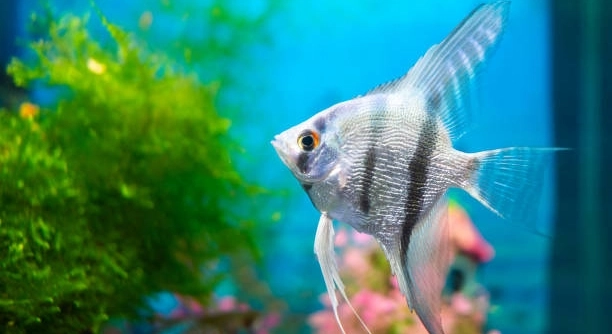
Angelfish are a popular choice for aquarium enthusiasts, admired for their beauty and elegance. However, noticing one of them tilting to one side can be quite concerning. Understanding why this happens and how to fix it is crucial for their well-being.
When an angelfish tilts to one side, it is often due to an underlying health issue such as a swim bladder disorder, internal parasites, or poor water conditions. These factors can disrupt the fish’s buoyancy and cause abnormal swimming patterns.
Identifying the root cause of the tilt is important to ensure your angelfish recovers quickly. Exploring the different possibilities will help you address the issue effectively and prevent further complications for your aquatic friend.
Swim Bladder Disorder
Swim bladder disorder is one of the most common reasons why an angelfish may tilt to one side. The swim bladder is a small organ that helps regulate buoyancy, allowing the fish to stay balanced in the water. When this organ becomes affected, the angelfish may struggle to maintain its equilibrium. Swim bladder issues can be caused by various factors such as poor diet, overfeeding, or an injury. In more severe cases, the disorder can cause the fish to swim sideways or even upside down. Addressing the problem early is key to preventing long-term harm to your angelfish.
To treat swim bladder disorder, start by adjusting the diet. Offer easily digestible foods and avoid overfeeding. You may also want to consider fasting your angelfish for 24-48 hours to allow its digestive system to reset. If the problem persists, a change in water conditions or a trip to the vet may be necessary.
Swim bladder issues are not always permanent, but they can affect your fish’s quality of life. Keeping the water clean and maintaining a healthy feeding schedule can greatly reduce the risk of this issue. If you notice persistent signs of tilt, monitor the situation and seek professional help if needed.
Internal Parasites
Internal parasites are another common reason why your angelfish might be tilting. These parasites affect the digestive system, causing discomfort and imbalance. Affected fish may show other signs, such as reduced appetite, weight loss, or lethargy. The presence of these parasites can be identified by a veterinarian or through proper observation.
If you suspect internal parasites, you can treat your angelfish with medicated food or a bath designed to kill parasites. It’s important to follow the treatment instructions carefully to avoid harming the fish. You may need to quarantine the affected fish to prevent the spread of parasites to other aquarium inhabitants.
Maintaining good water quality and avoiding overcrowding can help prevent the spread of internal parasites. Regularly clean your tank and monitor your fish’s health closely. By keeping a close eye on your angelfish’s behavior and diet, you can catch these issues early and provide proper treatment. If you notice the tilt persists, consulting an aquarium specialist or vet is recommended for further action.
Poor Water Quality
Poor water quality is one of the main contributors to fish health problems, including tilting. If your aquarium water has high levels of ammonia, nitrites, or nitrates, your angelfish may develop stress, which can lead to abnormal swimming behavior. Consistently bad water quality can weaken the immune system, making your fish more susceptible to infections and diseases.
To prevent water quality issues, invest in a good filtration system and test your water regularly. Perform partial water changes every week to ensure a clean and healthy environment for your fish. You should also check the temperature, pH, and hardness of the water, as these factors can affect the fish’s overall well-being. Poor water quality can often be fixed by improving your maintenance routine, but the longer the water issues persist, the more severe the symptoms can become.
Keeping your tank at an optimal level of cleanliness is not just about appearance; it’s essential for the health of your fish. Regular maintenance, including cleaning the substrate, checking for uneaten food, and ensuring the filter is working properly, is key. If you notice the angelfish still tilting despite improved water conditions, it’s worth considering other potential causes.
Overfeeding
Overfeeding can lead to various health issues in your angelfish, including tilt. When fish are fed too much, excess food can cause digestive problems, making it harder for them to maintain buoyancy. This can result in abnormal swimming behavior, including tilting to one side.
To avoid overfeeding, follow the general rule of feeding your fish only what they can consume in a few minutes. Remove any leftover food after feeding to prevent it from decomposing and polluting the water. Offering smaller meals more frequently may also help with digestion and overall health.
A balanced and moderate feeding schedule can prevent most related health issues. By keeping track of feeding times and the amount provided, you can improve your angelfish’s well-being. Overfeeding isn’t always immediately noticeable, but it can cause long-term harm if not addressed.
Stress
Stress is a significant factor in tilting issues for angelfish. Stress can stem from overcrowding, sudden changes in water conditions, or the presence of aggressive tankmates. Angelfish may begin to tilt or swim erratically as a result of the physical and emotional toll caused by stress.
To reduce stress, ensure your tank is the right size for your fish, provide enough hiding spots, and maintain stable water conditions. Keeping tankmates peaceful and avoiding sudden changes in the environment can also help. Stress can be hard to spot at first, but the tilt is often one of the first signs.
Injury
Injuries can sometimes cause angelfish to tilt to one side. If the fish has been in a fight with other tankmates or brushed against sharp decorations, it may develop a wound or internal injury that affects its buoyancy. Injuries can also lead to infections if not treated promptly.
Injuries should be treated as soon as they are noticed. Ensure your tank environment is safe, with smooth decorations and no aggressive tankmates. If you suspect an injury, observe for swelling or signs of infection and, if necessary, isolate the fish and treat the wound with aquarium-safe medication.
FAQ
Why is my angelfish tilting to one side?
Tilting in angelfish can be caused by several factors, including swim bladder disorder, internal parasites, poor water quality, overfeeding, stress, injury, or infections. It’s important to observe your fish for any additional symptoms like lethargy, loss of appetite, or changes in swimming behavior. Identifying the root cause can help in providing the appropriate treatment.
How can I treat swim bladder disorder in my angelfish?
Swim bladder disorder can often be treated by adjusting your angelfish’s diet. Provide easily digestible foods, such as peas, and avoid overfeeding. Fasting your angelfish for 24-48 hours can also help reset its digestive system. If the problem continues, changing the water conditions or consulting a veterinarian may be necessary.
Can poor water quality cause my angelfish to tilt?
Yes, poor water quality can lead to stress and health issues in angelfish, causing them to tilt. High levels of ammonia, nitrites, or nitrates in the water can damage the fish’s organs and immune system. Regular water testing, proper filtration, and weekly water changes are essential to maintain a healthy environment for your fish.
How do I know if my angelfish has internal parasites?
Signs of internal parasites in angelfish may include tilting, loss of appetite, weight loss, and changes in feces. If you suspect internal parasites, it’s best to consult a veterinarian or aquarium specialist who can recommend the appropriate medicated food or treatment to eliminate the parasites.
Is overfeeding the cause of my angelfish tilting?
Overfeeding can lead to digestive issues, causing your angelfish to tilt. When fed too much, food may not be fully digested, leading to bloating and imbalance. It’s essential to feed your fish only what they can eat in a few minutes and remove any leftover food after feeding.
What are some ways to reduce stress in angelfish?
To reduce stress in your angelfish, ensure the tank is appropriately sized and not overcrowded. Provide plenty of hiding spots using plants or decorations, and maintain stable water conditions. Avoid sudden changes in temperature or water chemistry, and keep tankmates that are peaceful and non-aggressive.
How can I tell if my angelfish has an injury?
Injuries in angelfish can result from fights with other tankmates or accidents with decorations. If your angelfish is tilting or swimming erratically, check for visible wounds, swelling, or abnormal behavior. If an injury is suspected, treat it immediately by isolating the fish in a separate quarantine tank and administering appropriate medication.
Should I isolate my angelfish if it’s tilting?
If your angelfish is tilting and you suspect it’s due to injury, illness, or parasites, it’s a good idea to isolate the fish in a separate quarantine tank. This will prevent any potential spread of disease to other fish in the tank and allow you to focus on the fish’s recovery without added stress from tankmates.
Can angelfish recover from swim bladder disorder?
Yes, many angelfish can recover from swim bladder disorder if the cause is identified early and treated properly. Adjusting the fish’s diet, changing water conditions, and managing any underlying health issues can help the angelfish regain balance. However, severe cases may require veterinary intervention for more effective treatment.
Is it safe to use medication to treat my angelfish?
Medications can be helpful in treating diseases, parasites, or infections that may cause tilting in angelfish. However, it’s essential to choose aquarium-safe medication and follow the instructions carefully. Overuse or incorrect application can harm the fish or affect the water quality. Always research the best treatment options for your specific situation.
How can I prevent my angelfish from getting injured?
To prevent injuries in your angelfish, ensure that the tank has no sharp or rough decorations. Smooth rocks, soft plants, and well-maintained decorations will reduce the risk of injury. Additionally, avoid keeping aggressive tankmates that might harm your angelfish. Regularly check the tank for any hazards and fix them immediately.
What should I do if my angelfish shows signs of infection?
If your angelfish is showing signs of infection, such as unusual swimming patterns, open sores, or changes in skin color, it’s crucial to act quickly. You can start by isolating the affected fish and treating it with appropriate antibiotics or antiseptics. If unsure, consult with an aquarium specialist for guidance on the best treatment.
How often should I change the water to keep my angelfish healthy?
To keep your angelfish healthy, it’s recommended to change 10-20% of the water every week. This helps maintain stable water parameters and remove excess waste and toxins. Regular water changes prevent poor water quality, which can lead to stress and other health problems in your fish.
Can other fish in the tank catch the same problem?
Yes, some issues like internal parasites, infections, and poor water quality can affect all the fish in the tank. If your angelfish shows signs of tilting due to a disease or parasite, it’s a good idea to monitor the other fish closely. Quarantine any affected fish to prevent spreading the illness.
How long does it take for an angelfish to recover from tilting?
The recovery time for an angelfish depends on the underlying cause of the tilt. In cases of swim bladder disorder or mild stress, the fish may recover in a few days to a week. However, if the issue is due to infection or parasites, it may take longer with proper treatment. Regular monitoring and proper care are essential for a successful recovery.
Final Thoughts
When your angelfish starts tilting to one side, it can be concerning, but understanding the potential causes is the first step in helping your fish recover. It could be something as simple as overfeeding or poor water quality, or it could be due to more serious health issues like swim bladder disorder or internal parasites. Identifying the cause early on is crucial in preventing further complications. Regular observation and routine maintenance of your tank can go a long way in keeping your angelfish healthy and preventing these issues from occurring.
Taking proper care of your angelfish involves monitoring their diet, water conditions, and the overall tank environment. Providing a balanced diet and avoiding overfeeding is essential, as it reduces the chances of digestive problems. Regular water changes and keeping the tank clean will also help in maintaining the fish’s health. Ensuring that your fish have a peaceful environment with appropriate tankmates is just as important as maintaining their physical health. Reducing stress and preventing injuries can make a big difference in how your angelfish behaves and swims.
If your angelfish continues to tilt despite improving their environment or diet, it may be necessary to consult a veterinarian or an aquarium specialist. Some conditions, such as infections or parasites, may require specific treatments. However, many of the common causes of tilting can be addressed through better care and a more attentive eye. By staying proactive and responsive to your angelfish’s needs, you can help ensure that they live a long, healthy life in your aquarium.

Hello,
If you enjoy the content that we create, please consider saying a "Thank You!" by leaving a tip.
Every little bit helps us continue crafting quality advice that supports the health, happiness, and well-being of pets around the world, for pets of all shapes, sizes, and species.
We really appreciate the kindness and support that you show us!