
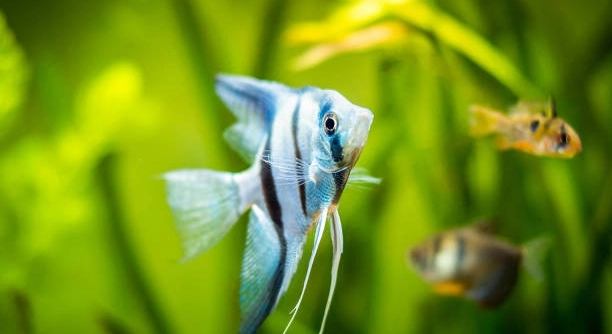
Is your angelfish acting differently, swimming in fast circles, or darting up and down without stopping? You’re not alone in noticing these strange movements in your tank.
Erratic swimming in angelfish is often a response to stress, poor water conditions, parasites, or sudden environmental changes. It can also indicate underlying health problems or aggression in the tank. Immediate observation and testing are recommended.
There are several possible reasons behind this behavior, and understanding them can help you take the right steps.
Poor Water Quality
Angelfish are sensitive to their environment, and poor water conditions can quickly affect their health. Ammonia spikes, low oxygen levels, and sudden pH changes can all lead to erratic swimming. If your tank isn’t properly cycled, toxins build up and put stress on your fish. Dirty gravel, leftover food, and overcrowding add to the problem. Regular water testing is important. You should monitor ammonia, nitrite, nitrate, and pH at least once a week. A filter helps, but it won’t fix everything. Make sure your water changes are consistent. Small weekly changes work better than large, infrequent ones.
Clean water helps prevent many problems. If your angelfish is acting strange, test your tank water first before trying anything else.
Angelfish may try to escape uncomfortable water by swimming in circles or darting around. Their gills may move faster, and they might stay near the surface. These are signs you shouldn’t ignore. By keeping your tank clean, using water conditioners when needed, and keeping feeding simple, your angelfish can stay calm and swim normally again. Observing their behavior often helps catch water issues early. Even if the tank looks clean, invisible changes can still impact your fish. Consistency and care make a big difference in keeping things stable.
Stress from Aggressive Tankmates
Tankmates that chase or nip at angelfish can cause them to behave oddly. Even subtle bullying can lead to stress.
Angelfish like calm surroundings. When placed with aggressive fish, they may start swimming fast or avoiding certain spots in the tank. Over time, this can impact their health. Fish like barbs or some cichlids are known to nip fins and crowd other fish. Constant stress will cause your angelfish to become more skittish, less active, or more aggressive themselves. This creates a tense environment that doesn’t improve on its own. Separating aggressive fish or rearranging the tank can help. Sometimes, even moving decorations can create new territories and reduce conflict. It’s important to observe tank dynamics, especially after adding new fish. If one fish is causing issues, it’s better to act quickly than to wait for things to settle. Peaceful tankmates lead to better behavior and health in angelfish.
Sudden Changes in Temperature
A sudden drop or spike in water temperature can upset your angelfish and cause erratic swimming. Heaters that malfunction or cold water changes are common triggers. Always check the tank temperature regularly and avoid large swings.
Angelfish prefer stable temperatures between 76°F and 82°F. When the water gets too cold or too hot, they may swim quickly or appear panicked. Cold water slows their metabolism, while hot water reduces oxygen, making it hard to breathe. Thermometers help track changes, but heaters should also have a thermostat. Sudden drafts, open windows, or direct sunlight can also affect the temperature. Using a reliable heater and keeping your tank away from fluctuating conditions will help maintain balance.
Temperature shock doesn’t always show up right away. Sometimes, angelfish might seem fine at first but act strange hours later. Erratic movement can include jerking, rushing to the surface, or hiding more than usual. If your angelfish starts behaving like this after a water change, check the temperature difference between the new water and the tank. Always match the temperature during water changes and heat new water before adding it. A small mistake here can lead to stress or illness. Keeping things steady helps prevent sudden reactions in your fish.
Swim Bladder Issues
Swim bladder problems make it hard for angelfish to control their movement. You may notice them floating awkwardly, sinking, or tilting to one side. These signs are often mistaken for strange behavior or panic.
Swim bladder disorder is usually caused by poor diet, constipation, infections, or physical injury. When the bladder doesn’t work right, the fish loses balance and control. Feeding high-protein or dry flakes too often can lead to bloating, which presses against the bladder. Frozen peas (shelled and boiled) are often used to relieve this. Sometimes, it’s best to isolate the fish and fast them for a day or two. Overfeeding is a common cause, so feeding small portions and soaking dry food before feeding helps. Infection-related cases may need treatment. Watching your fish closely and adjusting their diet is an easy way to reduce risk and support recovery. A healthy diet helps prevent many common swim issues.
Presence of Parasites
Parasites can affect your angelfish’s nervous system or gills, leading to darting, rubbing against objects, or spiraling. Gill flukes and skin parasites are especially common and need fast treatment. Quarantining new fish helps prevent outbreaks.
Some parasites enter tanks through live plants, food, or new fish. Early signs include scratching, rapid breathing, or twitching.
Overstimulation from Reflections
Angelfish may mistake their own reflection for another fish, especially in tanks with clear glass or bright lighting. This can lead to aggressive or panicked swimming. Reducing light or placing a background on the tank helps limit reflections and calm them down.
High Current in the Tank
Strong water currents can overwhelm angelfish and cause erratic movement. They are not strong swimmers and prefer gentle flow. A powerful filter may push them around, making them swim against the current or struggle to stay in place. Adjusting the flow rate or using a sponge filter often solves the issue.
FAQ
Why is my angelfish swimming in circles at the top of the tank?
Swimming in circles at the top can mean your angelfish is struggling to get enough oxygen. Warmer water holds less oxygen, and poor aeration makes it worse. It may also be caused by high ammonia or nitrite levels, which can irritate the gills. Another reason could be an overactive filter creating a current they’re trying to escape. Check your tank’s oxygen levels, water quality, and filter strength. Add an air stone if needed. Also, make sure there’s enough space and that no fish are chasing them into corners or the surface.
Can overfeeding cause erratic swimming?
Yes, overfeeding is one of the more common causes. Too much food can lead to bloating and constipation, which affects the swim bladder. Dry flakes and pellets expand in the stomach if not soaked before feeding. This pressure can make it hard for angelfish to stay upright or swim steadily. They might float, tilt, or dart around trying to find balance. Feeding once or twice a day in small amounts helps prevent this. Skipping a day of feeding each week can also give their system time to rest and stay regular.
How can I tell if the behavior is from illness or stress?
Stress and illness can look very similar, but there are a few signs that help tell them apart. Stress from water quality or tankmates often causes sudden darting, hiding, or avoiding other fish. Illness may come with additional signs like white spots, cloudy eyes, clamped fins, or labored breathing. If erratic swimming happens along with visible changes or continues even after water and tank conditions are fixed, it could point to an infection or parasite. It’s best to monitor behavior over a few days and test water parameters.
Is it normal for angelfish to act strange after a water change?
It can happen if the water change is too big or the new water is very different in temperature or chemistry. A sudden change in pH, hardness, or temperature can shock the fish, making them swim fast or act confused. Always match the temperature of new water to the tank and avoid changing more than 25–30% at once unless necessary. Adding water conditioner helps remove chlorine and chloramines that can irritate fish. Keeping a consistent routine helps reduce the chance of strange behavior after a water change.
What should I do first if my angelfish starts swimming weirdly?
Start by testing the water for ammonia, nitrite, nitrate, and pH. These are the most common stress triggers. If anything is out of range, do a partial water change. Check your heater and thermometer for stable temperatures. Observe other fish too—if only one fish is acting odd, it might be an injury or illness. If multiple fish are affected, it’s more likely a water or environmental problem. Avoid adding medications unless you’re sure it’s a disease. Many issues can be fixed just by improving water quality and tank conditions.
Can lighting affect my angelfish’s swimming behavior?
Yes, strong or inconsistent lighting can startle angelfish. Sudden changes from dark to bright, or long periods of intense light, may stress them out. This might lead to darting or hiding. Reflections on the glass caused by lights can also confuse them, making them chase or react to their own image. Use a consistent light schedule and avoid placing the tank where it gets strong sunlight. A timer on your aquarium light can help maintain a stable rhythm that keeps fish more relaxed throughout the day.
How long does it take for erratic behavior to stop after fixing the issue?
It depends on the cause. If poor water quality or temperature was the reason, angelfish may calm down within a few hours after correction. If the issue was related to stress from bullying or a strong current, it may take a day or two for them to adjust. Illness or parasites might require a longer recovery, especially if medication is needed. During this time, reduce stress by keeping the tank quiet, avoiding sudden changes, and sticking to a regular routine. Patience and consistency are key to helping your angelfish return to normal.
Final Thoughts
Erratic swimming in angelfish can seem confusing or even alarming at first. But in most cases, the cause is something that can be fixed with a few simple steps. Things like poor water quality, sudden temperature changes, strong currents, or stress from tankmates are all common reasons. Watching your angelfish closely and understanding their normal behavior helps you notice when something is wrong. It’s not always easy to tell what’s causing the problem right away, but starting with the basics—like testing the water and checking the tank setup—can give you answers faster.
Creating a stable and calm environment goes a long way in keeping angelfish healthy. That means regular water changes, a good filter, the right tank size, and peaceful tankmates. Try to avoid making sudden changes to the tank. If you need to clean or move things, do it slowly and in small steps. Feeding them a balanced diet, keeping the temperature steady, and using soft lighting also helps reduce stress. When you take care of these simple things, your angelfish is more likely to swim calmly and act normally.
It’s always helpful to observe your fish a little each day. That way, you’ll notice quickly if something seems off. Erratic swimming is often one of the first signs that something’s wrong, so it should never be ignored. Still, there’s no need to panic—most of the time, a few changes to your care routine can make a big difference. And if you’re ever unsure, reaching out to a local aquarium store or online fishkeeping group can offer support and guidance. Staying informed and being patient will help you build a healthy, peaceful space where your angelfish can thrive.

Hello,
If you enjoy the content that we create, please consider saying a "Thank You!" by leaving a tip.
Every little bit helps us continue crafting quality advice that supports the health, happiness, and well-being of pets around the world, for pets of all shapes, sizes, and species.
We really appreciate the kindness and support that you show us!