
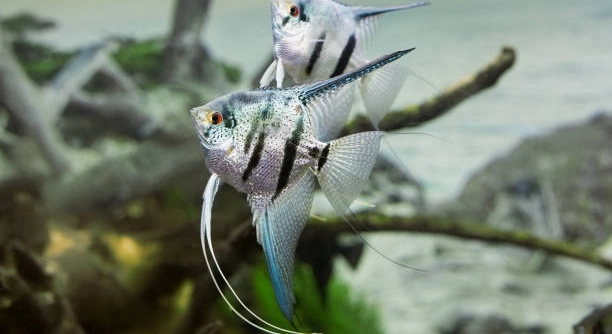
Angelfish are beautiful creatures that can bring life to any aquarium. If you’ve noticed your angelfish swimming backward, it may raise some concerns. There are several reasons behind this unusual behavior that you should understand.
The most common reasons for angelfish swimming backward are stress, poor water quality, or physical injury. Other potential causes include improper tank setup or illness, all of which can cause unusual swimming behavior in fish.
Understanding the causes behind backward swimming can help you provide the right care for your angelfish. By addressing the underlying issues, you can ensure their health and happiness in your aquarium.
Stress and Anxiety in Angelfish
Stress is one of the most common reasons your angelfish may swim backward. Fish are sensitive to changes in their environment. Anything from sudden movements around the tank to loud noises or new tank mates can unsettle them. Stress may cause them to behave strangely, and backward swimming is one way they might express discomfort.
Tank stress can also be linked to overcrowding, or an inappropriate tank size. If your angelfish feels cramped, it might swim backward or even hide. Consider adjusting the tank setup by providing more space or hiding spots, helping to ease their stress.
Regularly changing the water, ensuring stable temperatures, and avoiding sudden environmental changes can keep your fish calm. If you notice behavioral changes, like swimming backward, it’s best to assess their surroundings and eliminate any stress factors. By minimizing these disruptions, you can keep your angelfish in a more relaxed state, leading to more natural swimming patterns.
Poor Water Quality
Water quality plays a huge role in the overall health of your angelfish. Bad water conditions, like high levels of ammonia, nitrates, or low oxygen, can affect their behavior.
A sudden spike in these toxins can make your angelfish feel unwell, leading to backward swimming. To fix this, invest in a good filtration system and test your water regularly. Clean water and proper filtration help prevent health issues, keeping your angelfish happy and swimming normally.
A good rule of thumb is to do partial water changes weekly. This helps prevent the build-up of harmful chemicals. Properly maintaining your tank’s water is essential for your fish’s health and behavior.
Physical Injury or Illness
Injuries or illness can make your angelfish swim backward. A physical injury might cause discomfort or affect their ability to move properly. Diseases, like swim bladder issues, can also lead to abnormal swimming behavior.
If your fish has a visible injury or seems sick, it’s important to isolate them and provide proper care. A trip to a vet specializing in fish may help diagnose the problem. In some cases, adding salt to the water can reduce stress and help with healing.
Monitoring the tank for potential hazards is also crucial. Ensure there are no sharp objects or aggressive tank mates that could injure your angelfish. Injuries are often preventable with careful tank maintenance and by ensuring no overcrowding occurs.
Tank Setup Issues
Improper tank setup can make your angelfish swim backward. If the tank is too small, your fish may not have enough space to swim comfortably. This can cause them to feel trapped, leading to abnormal swimming patterns.
Another factor is poor water flow. Angelfish prefer calm waters, and strong currents from filters or pumps may stress them out. Adjusting the filtration system to create a more gentle flow can help them feel more comfortable. Proper hiding spots in the tank are also essential for angelfish to reduce stress.
A poorly arranged tank can disrupt your fish’s behavior and affect their health. Try to create a balanced environment that caters to their needs, with space, low current, and sufficient places to hide when necessary.
Water Temperature Fluctuations
Temperature changes can disrupt your angelfish’s natural swimming behavior. If the water temperature is too high or too low, they may struggle to swim properly, even going backward.
Ensure that your tank has a reliable heater to maintain a stable water temperature. Angelfish prefer temperatures between 76°F and 82°F (24°C to 28°C). Any sudden changes in temperature can stress your fish, causing abnormal behavior.
A thermometer will help you keep track of the water temperature. Consistency is key to your fish’s well-being, as fluctuating temperatures can lead to illness or discomfort.
Overfeeding
Overfeeding your angelfish can lead to digestive problems, which may affect their swimming. When fish eat more than they need, their digestive system becomes sluggish, sometimes leading to backward swimming.
It’s essential to feed your angelfish only what they can consume in a few minutes. Excess food can pollute the water, causing further issues like poor water quality, which can also contribute to abnormal behavior. Regular feeding schedules help keep their digestion on track and prevent problems.
Tank Mates
Aggressive tank mates can make your angelfish swim backward as a result of stress. Fish that chase, nip, or bully them can cause anxiety, leading to abnormal behavior like swimming in reverse.
If your tank mates are too aggressive, it’s best to remove them or relocate your angelfish to a more peaceful environment. Choose peaceful fish species that coexist well with angelfish to prevent stress and promote healthier swimming behavior.
FAQ
Why is my angelfish swimming backward?
Swimming backward can be a sign of stress, illness, or poor water quality. Angelfish may swim backward due to environmental factors like temperature fluctuations, overcrowding, or strong currents. It could also indicate an injury or a problem with their digestive system. Understanding the underlying cause is crucial in addressing this behavior. Check the water quality, the temperature, and the tank setup, and make sure the fish are not under stress from aggressive tank mates or physical injury.
Can poor water quality cause my angelfish to swim backward?
Yes, poor water quality can lead to backward swimming. Ammonia, nitrates, and nitrites can build up in a tank with poor filtration or insufficient water changes. These toxins can harm your angelfish and disrupt their behavior, causing them to swim awkwardly or backward. Regular water changes and proper filtration are essential for maintaining a healthy environment for your fish. Use water test kits to monitor the levels of ammonia and nitrates to ensure they stay within safe ranges.
What should I do if my angelfish is swimming backward?
If your angelfish is swimming backward, start by checking the water quality. Test for ammonia, nitrates, and pH levels, and make sure the temperature is stable. If the water checks out, inspect the fish for signs of injury or illness. If necessary, separate the angelfish from aggressive tank mates. Ensure your tank is appropriately sized, with proper hiding spots and gentle water flow. Consider isolating the fish if you suspect illness, and consult with a veterinarian who specializes in fish care if needed.
How can I prevent my angelfish from swimming backward?
Prevention begins with creating a stable and stress-free environment. Ensure your angelfish has enough space to swim freely, avoid overcrowding, and provide hiding spots. Maintain proper water conditions by testing and adjusting the pH, ammonia, and nitrate levels. Keep the temperature within the ideal range of 76°F to 82°F (24°C to 28°C) and avoid sudden changes. Proper feeding habits are also important. Overfeeding can lead to digestive issues and worsen swimming problems. Keeping your tank setup appropriate and peaceful will help reduce the likelihood of backward swimming.
Can illness or injury cause angelfish to swim backward?
Yes, injuries or illnesses can cause angelfish to swim backward. Diseases like swim bladder disorder can make it difficult for fish to control their buoyancy and swimming direction. Injuries to their fins or body can also affect their swimming. If you notice signs of injury, such as damaged fins or body swelling, you should isolate the fish and observe it closely. For illnesses, it’s best to consult a veterinarian to get a proper diagnosis and treatment plan. Providing an isolated tank for recovery and adjusting the water quality can help.
Is backward swimming a sign that my angelfish is stressed?
Backward swimming is often a sign of stress. When angelfish feel threatened by environmental factors or tank mates, they may display abnormal behaviors, including swimming in reverse. Stress can be caused by poor water quality, high noise levels, overcrowding, or aggressive tank mates. Identifying and eliminating the stressors in your tank can help your angelfish feel more secure. Providing a peaceful, stable environment with the right temperature and water conditions will reduce stress and promote normal swimming behavior.
How can I tell if my angelfish has a swim bladder problem?
Swim bladder problems can lead to abnormal swimming, such as swimming backward or floating upside down. If your angelfish is struggling to maintain its position in the water or swimming erratically, it may have a swim bladder disorder. Other signs include bloating or difficulty moving. If you suspect swim bladder issues, you can try adjusting the fish’s diet by offering high-fiber foods, like peas, or isolate the fish in a separate tank with stable water conditions. In severe cases, consult a vet for proper treatment.
What role does water temperature play in angelfish swimming?
Water temperature is critical for angelfish health and behavior. Angelfish thrive in warm water, with an ideal range between 76°F and 82°F (24°C to 28°C). Water that is too cold or too hot can cause stress and affect their ability to swim properly. Sudden temperature fluctuations can shock the fish, leading to unusual behavior such as swimming backward. To maintain a stable temperature, use a reliable aquarium heater and a thermometer to monitor the water closely. Stability is key for keeping your angelfish healthy and active.
Can aggressive tank mates cause angelfish to swim backward?
Yes, aggressive tank mates can contribute to backward swimming. When fish feel threatened or harassed, they may exhibit abnormal behaviors, including swimming backward or hiding. If your angelfish is being chased or nipped by more aggressive species, it can lead to stress and affect their swimming patterns. To prevent this, choose peaceful tank mates that are known to get along with angelfish. If aggression continues, consider separating the fish or rearranging the tank to break up territories and reduce stress.
Should I worry if my angelfish is swimming backward occasionally?
Occasional backward swimming is not always a major cause for concern. If the behavior is temporary and occurs due to small stressors or changes in the environment, it may resolve on its own. However, if the backward swimming becomes persistent or is accompanied by other signs like lethargy or loss of appetite, it’s important to investigate further. Check the water quality, the tank setup, and the health of your fish. If the problem persists, seeking advice from a professional or vet is recommended.
Final Thoughts
Angelfish are beautiful and peaceful fish, but like all pets, they can face challenges in their care. Swimming backward is one of the behaviors that might worry you as an owner. It’s important to understand that there are many possible reasons behind this, from poor water quality and stress to illness or injuries. Identifying the root cause is key to resolving the issue and ensuring your angelfish stays healthy and happy.
By regularly checking water parameters, maintaining a clean tank, and providing a proper environment, you can prevent many of the factors that lead to abnormal swimming. Keeping your angelfish in a stress-free environment with the right water temperature, space, and tank mates is essential for their well-being. Additionally, if your angelfish continues to swim backward despite your efforts, it’s always a good idea to consult a professional or a veterinarian who specializes in fish care. They can provide guidance and help diagnose any underlying issues that may not be obvious at first.
In the end, understanding your angelfish’s behavior and needs is an important part of being a responsible pet owner. By paying attention to their environment and health, you can ensure that your angelfish lives a long, happy, and healthy life. It’s always best to act quickly when you notice any unusual behavior, as early intervention often leads to better outcomes. With the right care, your angelfish can thrive and continue to bring beauty and calm to your aquarium.

Hello,
If you enjoy the content that we create, please consider saying a "Thank You!" by leaving a tip.
Every little bit helps us continue crafting quality advice that supports the health, happiness, and well-being of pets around the world, for pets of all shapes, sizes, and species.
We really appreciate the kindness and support that you show us!