
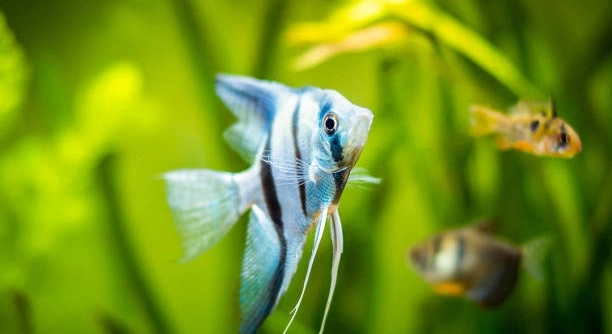
Angelfish are known for their graceful swimming patterns, but sudden, repetitive movements can be concerning. If your angelfish is swimming in loops, it’s essential to understand the possible causes and how to address them.
The behavior of swimming in loops can be caused by various factors such as water quality issues, stress, or physical illness. Poor water conditions, like high ammonia levels or improper temperature, can contribute to this unusual behavior in angelfish.
Addressing these possible causes can improve your angelfish’s health and behavior.
Poor Water Quality
If your angelfish is swimming in loops, poor water quality might be the issue. Ammonia, nitrite, and nitrate levels in the tank can quickly rise if not properly monitored, which could result in erratic movements. Overcrowding, old water, or inadequate filtration contribute to water quality problems. It’s important to regularly check the water parameters and ensure they are within the appropriate range for angelfish. When the water conditions are unstable, your fish may exhibit strange behaviors like swimming in loops to avoid stress.
Maintaining optimal water quality is essential for your angelfish’s health. Regular water changes, proper filtration, and water testing kits can help prevent issues related to poor water quality. These actions will keep your fish comfortable and reduce the risk of them swimming in unnatural patterns.
To keep water conditions optimal, perform regular water changes of 20-25% every two weeks. Make sure your filtration system is running well and replace filters as needed. Also, test the ammonia, nitrite, and nitrate levels weekly to avoid any sudden spikes. By taking these steps, you can prevent water quality from being a factor in your angelfish’s erratic swimming behavior.
Stress or Anxiety
Fish can experience stress, just like any other pet. When angelfish are stressed, they may display behaviors like swimming in loops or pacing. Stress could stem from several factors, such as aggressive tankmates, excessive noise, or even changes in their environment. Angelfish are sensitive to their surroundings, and sudden changes can upset them. A stressed angelfish will often show signs of unease through unusual swimming patterns.
Providing a peaceful and calm environment will help reduce stress levels in your fish. Ensure that your angelfish is not being bullied by other fish, and keep the tank in a quiet, low-traffic area of the home.
It’s essential to observe your angelfish and their interactions with other tankmates. Angelfish are territorial, and other fish may trigger their stress if they invade their space. When choosing tankmates, pick peaceful species that will not harass your angelfish. If you notice a change in behavior, consider rearranging the tank or adding hiding spots. These adjustments can create a sense of security and calm your angelfish.
Tank Size and Overcrowding
A cramped tank can lead to erratic swimming patterns in angelfish. When there’s not enough space, they may swim in loops due to stress or frustration. Angelfish require ample room to move freely and feel secure. Overcrowding causes aggression and competition for territory, which can lead to behavioral issues.
If your tank is too small, it’s essential to either reduce the number of fish or upgrade to a larger tank. Angelfish need at least a 30-gallon tank for a small group to thrive. Providing ample swimming space allows them to express natural behavior and avoid unnecessary stress.
Proper tank size helps not only reduce looping behavior but also improves overall fish health. When considering a new tank, it’s important to account for the growth of your fish and their activity levels. Ensure that the tank is not only large enough for their size but also properly filtered and maintained. A spacious environment fosters a more peaceful and stable aquatic habitat.
Illness and Disease
If your angelfish is swimming in loops, a possible underlying health issue may be at fault. Fish can suffer from various diseases, like swim bladder disease, which causes abnormal swimming behavior. Other illnesses affecting the nervous system may also lead to looping movements.
Swim bladder disease can occur due to bacterial infections, constipation, or physical injury. It’s important to closely monitor your fish for other symptoms like bloating or difficulty swimming. Providing a well-balanced diet and maintaining clean water can help prevent illness. If the looping behavior continues, consider consulting an aquatic veterinarian for diagnosis and treatment.
When dealing with illness, separating the affected fish into a quarantine tank can help prevent the spread of disease to other tankmates. Treatment will depend on the specific illness, and medications may be necessary. To help your angelfish recover, ensure that they have a stress-free environment with proper water conditions. Regular observation and quick action can prevent worsening symptoms.
Water Temperature
Water temperature fluctuations can cause your angelfish to swim erratically. If the tank is too warm or too cold, it affects their behavior. Angelfish prefer a temperature range of 76°F to 82°F. Anything outside this range can stress them, leading to abnormal swimming.
Make sure your tank heater is working properly and maintain the water temperature within the ideal range. Use an aquarium thermometer to monitor changes and prevent any drastic shifts that could harm your fish. Stable temperatures keep your angelfish calm and healthy, reducing erratic swimming patterns.
Poor Diet
An improper or inadequate diet can also lead to unusual swimming patterns in angelfish. When they are not getting the proper nutrition, they can develop health issues that affect their movement. A poor diet can weaken their immune system, making them more susceptible to diseases and stress.
Feeding angelfish a balanced diet of high-quality pellets, flakes, and occasional live or frozen food can improve their health. A varied diet ensures they receive the necessary vitamins and nutrients for optimal health. Be sure to avoid overfeeding, as this can lead to constipation or swim bladder issues, which contribute to abnormal swimming.
Tank Maintenance
Routine tank maintenance is crucial for the overall well-being of your angelfish. Failure to clean the tank regularly can result in harmful toxins and waste buildup, which can affect their swimming. Dirty tanks also encourage the growth of harmful bacteria, which can lead to diseases.
Make sure to perform regular water changes, ideally 20-25% every two weeks, and clean the substrate. A well-maintained tank promotes healthier fish, reducing stress and the chances of them swimming in loops. Good filtration and proper aeration also ensure that your angelfish have a clean, oxygen-rich environment to thrive in.
FAQ
Why is my angelfish swimming in circles?
Swimming in circles is another form of erratic behavior and can be caused by similar issues as looping. It’s often linked to poor water conditions, stress, or an underlying illness. When angelfish are stressed or uncomfortable, they may swim in repetitive circles as a response. Ensure the water parameters are correct, and the tank environment is peaceful. Check for signs of disease or injury and address them immediately. Also, verify that your angelfish has enough space to swim freely and isn’t being intimidated by tankmates.
Can angelfish swimming in loops be a sign of injury?
Yes, injuries, especially to the head or fins, can cause abnormal swimming. Physical trauma may lead to disorientation, causing the fish to swim erratically. If your angelfish has been involved in a fight with other fish or had an accident, such as bumping into decorations, injury could be the cause. Inspect your fish for any visible signs of injury, such as torn fins or scales. If you notice any, remove the injured fish to a separate tank to heal and avoid further stress.
What can I do if my angelfish is swimming in loops?
First, check the water quality by testing for ammonia, nitrites, and nitrates. Clean the tank if necessary and perform a water change. If the water is fine, observe your fish for any signs of disease, stress, or injury. Remove any potential stressors, such as aggressive tankmates, and consider providing additional hiding spots to make the fish feel more secure. If the behavior continues despite these measures, it’s best to consult a veterinarian for a diagnosis.
Can water quality cause swimming in loops?
Yes, poor water quality is a common cause of erratic swimming behaviors in angelfish. When ammonia or nitrate levels are too high, or the pH balance is off, your fish can become stressed and may display unusual swimming patterns, like swimming in loops. Regular water testing and maintenance are essential for keeping your angelfish healthy. Ensure proper filtration and avoid overcrowding, as these factors can negatively impact water quality.
Is it possible that my angelfish is bored?
Boredom can lead to repetitive behaviors in fish. Angelfish are intelligent creatures that require stimulation, and if they don’t have enough to do in their environment, they may resort to behaviors like swimming in loops. Providing your angelfish with plants, decorations, and hiding spots can help reduce boredom. Also, consider adding tankmates that are compatible and active to encourage interaction. Keeping the tank environment interesting and dynamic can keep your angelfish happy and healthy.
What diseases can cause swimming in loops?
Swim bladder disease is one of the most common conditions that cause abnormal swimming in loops. This disease affects the fish’s buoyancy, making it difficult for them to maintain proper swimming positions. It can be caused by bacterial infections, constipation, or physical injury. Another potential cause is parasites that affect the nervous system, leading to disorientation and erratic movements. If you suspect an illness, carefully observe for other symptoms such as bloating, floating upside down, or lethargy, and consult a vet for proper diagnosis and treatment.
Can temperature fluctuations cause angelfish to swim in loops?
Yes, sudden changes in temperature can stress your angelfish, leading to erratic behaviors like swimming in loops. Angelfish are sensitive to temperature fluctuations and require a stable range of 76°F to 82°F. Extreme cold or hot water temperatures can cause them to become disoriented and stressed. Always monitor the water temperature regularly with a reliable thermometer and adjust the heater to maintain a steady temperature. Avoid placing your tank near windows, air conditioners, or heaters where temperature changes are frequent.
How can I prevent my angelfish from swimming in loops?
To prevent your angelfish from swimming in loops, ensure that the tank environment is stable and free from stressors. Regular water changes, appropriate filtration, and proper tank size will go a long way in promoting a healthy habitat. Maintain a steady temperature and test the water regularly. Additionally, make sure the fish are well-fed and not overcrowded. Provide plenty of hiding spaces and ensure that your tankmates are peaceful. By creating a balanced environment, you can help prevent abnormal behaviors from developing.
Can my angelfish recover from swimming in loops?
Yes, with the right care, angelfish can recover from swimming in loops. If the cause is stress or poor water quality, providing a calm environment and improving water conditions can help the fish recover. If the behavior is due to illness, treating the underlying disease may resolve the issue. Make sure to monitor your angelfish closely during recovery, and give them time to adjust to the changes in their environment. If the behavior persists, consulting a veterinarian may be necessary to rule out any serious health issues.
Are there specific tankmates that can cause my angelfish to swim in loops?
Yes, aggressive or territorial tankmates can stress angelfish, causing them to swim in loops or exhibit other abnormal behaviors. Angelfish are known to be peaceful but territorial, and they may be provoked by more aggressive fish. Fish that nip at fins, chase, or invade their personal space can lead to stress, making them swim erratically. It’s important to choose tankmates that are peaceful and not overly active or aggressive. Avoid species that are known to bully or compete with angelfish for territory.
Can a change in tank decor cause angelfish to swim in loops?
Yes, significant changes in the tank decor can cause stress to angelfish, leading to erratic swimming. Fish become accustomed to their environment, and when new decorations or tank rearrangements are introduced, it can unsettle them. Angelfish may feel insecure and display looping or other abnormal swimming patterns as they try to adjust to the new layout. To avoid this, rearrange the tank decor slowly or provide hiding spots to make your angelfish feel more secure during the transition.
Should I be concerned if my angelfish is swimming in loops only occasionally?
Occasional looping behavior may not be a major concern if it is brief and not accompanied by other symptoms. However, if the behavior becomes repetitive or persistent, it’s essential to investigate the cause. Monitor the tank’s water quality, check for signs of disease, and ensure the fish are not stressed by their environment. While occasional looping might not be an immediate red flag, it’s important to address any potential issues before they worsen. If in doubt, seeking professional advice can help ensure the health of your angelfish.
Final Thoughts
Swimming in loops can be a sign that something is not quite right with your angelfish. It may stem from something as simple as water quality issues or more complex factors like stress, injury, or illness. The good news is, most of the time, this behavior can be corrected by addressing the underlying cause. Keeping your tank clean, maintaining proper water parameters, and providing a calm and secure environment for your angelfish are essential steps in ensuring they stay healthy and happy.
When you notice abnormal swimming, take immediate action. Check the water quality, look for any signs of injury or illness, and make sure your angelfish is being fed the right diet. Pay attention to their behavior and adjust their environment if needed. Keeping the tank well-maintained and making sure the water temperature is stable will also help prevent stress, which is a common contributor to this type of swimming pattern. If you suspect a medical issue, don’t hesitate to consult with a vet to get a proper diagnosis.
While swimming in loops can be concerning, it is not always a sign of something severe. With the right care, most angelfish can recover and resume normal behavior. Just be patient and observe them closely. By taking proactive steps, you will not only resolve the current issue but also help ensure your angelfish live a long, healthy life. Always stay vigilant and keep their environment in top condition to prevent future problems.

Hello,
If you enjoy the content that we create, please consider saying a "Thank You!" by leaving a tip.
Every little bit helps us continue crafting quality advice that supports the health, happiness, and well-being of pets around the world, for pets of all shapes, sizes, and species.
We really appreciate the kindness and support that you show us!