
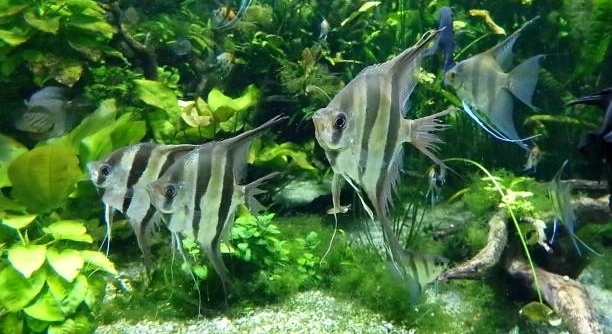
Angelfish are beautiful, graceful creatures often admired for their elegant swimming patterns. However, it can be concerning when these fish start swimming at an angle. If you’ve noticed this behavior, you may be wondering what could be causing it.
Angelfish swimming at an angle can be caused by several factors, including swim bladder issues, stress, water quality problems, or physical injury. In some cases, it could also be related to a bacterial or parasitic infection.
Understanding the underlying causes can help you take action to restore your angelfish’s health and comfort. Keep reading to learn more about the potential explanations and solutions for this behavior.
Swim Bladder Disorder
One of the most common reasons your angelfish might swim at an angle is due to a swim bladder disorder. The swim bladder helps control buoyancy, so when it malfunctions, your fish may struggle to swim normally. It may cause your angelfish to list to one side, swim upside down, or float at odd angles. This condition can result from overfeeding, constipation, or an infection.
Swim bladder disorders can also be caused by an injury or a bacterial infection. Infections may affect the bladder, disrupting the fish’s ability to maintain balance. Overfeeding is another issue that can cause excess food to put pressure on the fish’s abdomen, leading to problems with buoyancy.
Treating swim bladder disorders often involves adjusting the fish’s diet and providing medication if an infection is suspected. Reducing feeding amounts, offering high-quality food, and even fasting your angelfish for a day can help alleviate the symptoms. In severe cases, professional treatment might be necessary to resolve the problem.
Stress and Environmental Factors
Stress can make your angelfish swim at an angle. Factors like overcrowding, aggressive tank mates, and sudden changes in water conditions can all contribute to this behavior.
To reduce stress, check the water temperature and ensure the pH, ammonia, and nitrate levels are stable. Overcrowding can be avoided by adjusting the number of fish in the tank. If your angelfish is stressed by tank mates, consider relocating the more aggressive species. Stress can cause your angelfish to become lethargic or swim erratically.
Poor Water Quality
Poor water quality is another common reason why angelfish swim at an angle. Ammonia, nitrite, and nitrate levels should be monitored regularly, as high concentrations of these can cause discomfort or illness in fish. Water temperature fluctuations can also affect your fish’s swimming ability, making them more vulnerable to stress.
To fix this issue, perform regular water changes and ensure that your filtration system is working properly. Testing the water frequently will help you catch problems before they become serious. If necessary, invest in a good water conditioner to neutralize harmful toxins. Keeping the water stable and clean can prevent swim bladder issues, allowing your fish to swim normally.
If poor water quality is not addressed, your angelfish may develop other health problems. In extreme cases, poor water quality can lead to the death of the fish. Therefore, making sure the environment is suitable for your angelfish is essential for its health and comfort.
Infection or Disease
Angelfish are susceptible to a variety of infections, some of which can cause them to swim at an angle. Bacterial and parasitic infections can attack different parts of the fish’s body, including the swim bladder. Affected fish may swim erratically or seem unbalanced.
If you suspect an infection, closely examine your angelfish for signs of physical abnormalities. These might include lesions, discoloration, or white spots on the skin. A veterinarian or an aquatic specialist can help you identify the specific type of infection and recommend treatment. Medications for bacterial or parasitic infections are available, and in some cases, quarantining the infected fish may be necessary.
Catching infections early is crucial to prevent further harm to your fish. Left untreated, these diseases could worsen, leading to more severe symptoms and potentially even death. A clean, stress-free environment will also help your angelfish fight off infections more easily.
Physical Injury
Physical injury can lead to angelfish swimming at an angle. If your fish has collided with objects in the tank or been attacked by other fish, this could cause internal damage affecting its balance.
Check your fish for any visible signs of injury, such as bruises or torn fins. Even if there are no clear signs, an internal injury could still be present. If you notice your angelfish struggling to swim normally, it’s important to assess the tank environment for any potential hazards that could cause harm. Removing sharp objects and avoiding aggressive tank mates can help prevent future injuries.
If you believe the injury is serious, a veterinarian specializing in fish can provide the necessary care and treatment. Most minor injuries will heal with time in a calm, stable environment.
Overfeeding
Overfeeding your angelfish can lead to digestive problems that affect its ability to swim. When fish eat too much, it can place pressure on their internal organs, including the swim bladder. This often causes issues with buoyancy.
To avoid overfeeding, stick to a regular feeding schedule and only provide food your angelfish can consume in a few minutes. If your fish shows signs of bloating or swimming at an angle, consider fasting for a day or offering smaller, more frequent meals. Keeping food portions under control will improve your angelfish’s digestive health and overall well-being.
Tank Size and Overcrowding
Angelfish need a tank with enough space to swim freely. If the tank is too small or overcrowded, your angelfish may experience stress, which can affect its swimming behavior. Limited space forces the fish to adapt to unnatural movements, causing them to swim at an angle or become more lethargic.
Ensure your angelfish has ample space to move around. A minimum of a 30-gallon tank is ideal for a single angelfish, with additional room for other fish if needed. Proper tank size and careful stocking can reduce stress and promote healthy swimming patterns.
FAQ
Why is my angelfish swimming sideways?
If your angelfish is swimming sideways, it could be a sign of a swim bladder disorder. This condition affects their buoyancy, causing them to swim at odd angles. It could also be due to poor water quality, stress, or a physical injury. Check the water parameters, reduce overcrowding, and ensure your fish has space to swim. If the issue persists, consider consulting a veterinarian or treating your fish for any underlying health problems.
What should I do if my angelfish is swimming upside down?
Swimming upside down is a serious sign of a swim bladder issue. Infections, overfeeding, or even constipation can cause this behavior. To help your angelfish, try fasting it for a couple of days to give its digestive system a break. You may also consider adjusting its diet and offering high-quality food designed to help with digestion. If the problem doesn’t improve, seek professional advice.
Can stress cause my angelfish to swim at an angle?
Yes, stress is a significant factor that can affect your angelfish’s swimming patterns. Poor tank conditions, aggressive tank mates, or sudden environmental changes can cause your angelfish to swim at an angle. Ensure that your tank has stable water conditions, minimal aggression, and enough space. Reducing stress is key to restoring your angelfish’s natural swimming behavior.
How do I know if my angelfish is overfed?
Overfeeding often leads to bloating, which can cause your angelfish to swim at an angle. If your fish is consistently swimming at odd angles after feeding, or if its stomach looks unusually swollen, it may be a sign of overfeeding. Ensure you are only feeding small amounts of food that your fish can consume within a few minutes. Fasting your fish for 24 hours can help relieve any bloating caused by overeating.
Can poor water quality make my angelfish swim at an angle?
Yes, poor water quality is one of the most common reasons your angelfish may swim at an angle. Elevated levels of ammonia, nitrites, or nitrates can cause stress and health problems for your fish. Regular water changes and proper filtration are essential to maintain a healthy environment. Make sure to monitor water parameters like pH, temperature, and hardness to keep your angelfish comfortable and healthy.
What are the signs that my angelfish is sick?
In addition to swimming at an angle, other signs of illness in angelfish may include changes in color, erratic swimming, loss of appetite, or visible lesions and spots. If you notice any of these symptoms, it’s essential to test the water quality and observe the behavior closely. Treat the issue as soon as possible by either adjusting the tank environment or administering medication if an infection is suspected.
Can physical injury cause my angelfish to swim at an angle?
Yes, physical injury can lead to abnormal swimming behavior in angelfish. A collision with tank decorations, a fight with another fish, or even sharp objects in the tank can cause damage. Even if there are no visible cuts or bruises, an internal injury might affect their ability to maintain balance. Removing sharp objects from the tank and reducing aggression can help prevent injuries.
How can I treat a swim bladder disorder in my angelfish?
Swim bladder disorders can often be treated by adjusting your angelfish’s diet and environment. Start by fasting your fish for a day or two to allow its digestive system to recover. You can also feed your angelfish foods that are specifically designed to help with swim bladder issues, such as peas. If the condition doesn’t improve, consult an aquatic veterinarian for further treatment options.
Is it normal for angelfish to swim in a tilted position?
It’s not normal for angelfish to swim in a tilted or angled position for extended periods. While occasional tilting might happen due to environmental factors, a persistent tilted swimming pattern indicates an underlying issue. Common causes include swim bladder problems, stress, or poor water quality. Addressing these issues promptly can help your fish recover and resume normal swimming behavior.
How can I improve the water quality for my angelfish?
Improving water quality involves regularly testing the water and ensuring it’s within ideal parameters for angelfish. Perform partial water changes every week or as needed to keep ammonia, nitrites, and nitrates at safe levels. Ensure your tank has a proper filtration system and monitor the temperature and pH regularly. Avoid overfeeding to prevent excess waste buildup, and always use a water conditioner to remove chlorine and chloramine.
What other conditions could cause my angelfish to swim at an angle?
Aside from swim bladder issues, infections, physical injury, stress, and poor water quality, other possible conditions include parasites, neurological issues, or malnutrition. In some cases, genetic factors can play a role in abnormal swimming behavior. It’s important to look for any additional signs of illness and adjust the tank environment as needed.
Final Thoughts
Angelfish are generally healthy and active fish, but when they begin swimming at an angle, it can be concerning for any aquarium owner. There are several potential reasons for this behavior, ranging from simple issues like overfeeding to more complex problems like infections or swim bladder disorders. Understanding the root cause is key to resolving the issue and ensuring the well-being of your fish. Keeping your angelfish in a clean, well-maintained tank with stable water conditions is the best way to prevent many of these issues from occurring in the first place.
Regular water testing is crucial for maintaining a healthy environment. Angelfish are particularly sensitive to changes in water quality, so it’s important to monitor ammonia, nitrite, nitrate, and pH levels regularly. Consistent water changes and proper filtration can help keep your fish happy and healthy. Additionally, maintaining an appropriate tank size and avoiding overcrowding can reduce stress, which is another major contributor to abnormal swimming behavior. When the water quality and tank environment are optimal, your angelfish will be much less likely to experience these issues.
If your angelfish’s swimming at an angle persists, it may require more attention, such as adjusting its diet, treating it for possible infections, or consulting a veterinarian. It’s always a good idea to observe any other signs of illness and address them as soon as possible. While swim bladder issues and minor injuries can often be treated at home, severe infections may need professional intervention. By taking a proactive approach and understanding the causes behind abnormal swimming behavior, you can ensure your angelfish remains healthy and continues to thrive in its aquarium.

Hello,
If you enjoy the content that we create, please consider saying a "Thank You!" by leaving a tip.
Every little bit helps us continue crafting quality advice that supports the health, happiness, and well-being of pets around the world, for pets of all shapes, sizes, and species.
We really appreciate the kindness and support that you show us!