
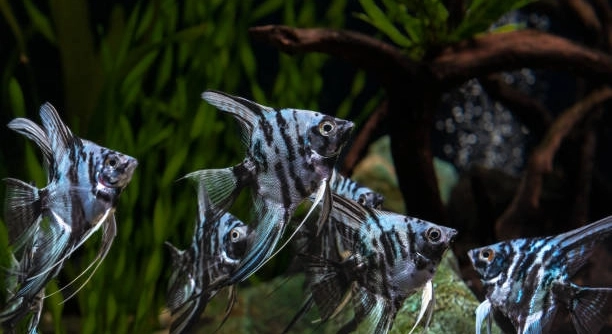
Angelfish are beautiful and peaceful creatures that can bring a touch of tranquility to any aquarium. But sometimes, they start hiding in plants, leaving owners concerned about their well-being. This behavior is more common than you might think.
Angelfish hiding in plants is often a sign of stress or discomfort. This could be due to changes in their environment, water conditions, or even the presence of other fish. It’s important to observe any factors that could be affecting their behavior.
Understanding the reasons behind this change will help you better care for your angelfish and prevent future issues. Keep reading to learn more about the possible causes and what you can do to help.
Stress from Water Conditions
Water quality plays a big role in your angelfish’s behavior. If the water is too warm, too cold, or has the wrong pH level, your fish will likely feel stressed and seek hiding spots. Angelfish prefer stable conditions, and even small changes in their environment can trigger anxiety. Factors like poor filtration, high levels of ammonia, or nitrites can make the water harmful, causing your fish to retreat to plants for comfort.
If you notice your angelfish hiding in plants more often, checking water parameters should be the first thing you do. Ensure the water temperature stays between 75-82°F and that the pH is within 6.8 to 7.8. Keeping the tank clean and regularly testing the water will help prevent this issue.
Testing for ammonia and nitrite levels is vital, as these can rise quickly in an aquarium and cause significant stress. If the water conditions aren’t up to standard, your angelfish will have a hard time adjusting. By maintaining a balanced and clean tank, you can keep your fish feeling safe and healthy.
Aggression from Tankmates
Angelfish are generally peaceful but can become territorial, especially if they feel threatened by other fish. They might retreat to plants to escape more aggressive tankmates. If you have other fish that are fin-nippers or too competitive, your angelfish might hide to avoid conflict.
To prevent this, observe how your fish interact. If bullying is happening, you may need to rearrange your tank or add more hiding spots. A peaceful environment will allow your angelfish to feel more comfortable.
Illness or Injury
If your angelfish is hiding, it could be feeling unwell. Illnesses or injuries make them seek out hiding spots for safety and recovery. Look for signs of physical damage, unusual swimming patterns, or discoloration. A sick angelfish may swim erratically, have clamped fins, or show lesions on their body.
Parasites or bacterial infections are common in fish and can cause hiding behavior. Sometimes, an injury from fighting or bumping into objects can lead them to rest in plants. A thorough check for any symptoms can help you determine if your fish needs treatment.
If you suspect illness, isolate the fish in a separate quarantine tank for easier observation and treatment. Keep the water quality high, offer proper nutrition, and consider consulting an aquarium expert for diagnosis. Early detection and care can help your angelfish recover and return to normal behavior.
Changes in Tank Setup
Angelfish are sensitive to changes in their environment. If you’ve recently rearranged decorations or added new tankmates, your fish may be feeling stressed and seek refuge in the plants. Even small shifts, like moving plants or rocks, can unsettle your fish.
To prevent this, try to avoid drastic changes in the aquarium setup. When rearranging, consider doing it gradually, giving your angelfish time to adjust. Familiar objects, like plants or decorations, should remain in place to maintain a sense of security. If new fish have been introduced, it may take time for your angelfish to feel comfortable again. This adjustment period is normal, and over time, they should resume their usual behavior.
Overcrowding
Overcrowding in the tank can make your angelfish feel stressed and cramped. When there’s too many fish, your angelfish may hide to avoid competing for space or food. Fish need room to swim and thrive, so overcrowding can lead to anxiety.
The solution is to ensure your tank is properly sized for the number of fish you have. A general rule is one inch of fish per gallon of water. If you notice hiding behavior, consider removing a few fish or upgrading to a larger tank. This will give your angelfish a more comfortable environment.
Poor Water Flow
Angelfish don’t enjoy strong water currents. If your aquarium filter is too powerful, the water movement may be causing stress. This can make them feel unstable and drive them to hide for protection.
Reducing the filter’s power or adjusting its placement can help minimize the current. Try positioning it away from your angelfish’s preferred swimming areas. You can also add some plants to help break up the flow and create calmer spots in the tank. Finding the right balance is important for keeping your fish relaxed.
Unstable Lighting
Bright lights or sudden changes in lighting can make angelfish uncomfortable. Too much light, especially at night, can disrupt their sleep patterns, causing them to seek shelter. Angelfish prefer dim, natural lighting and will often hide when they feel exposed.
To improve this, use adjustable lights and avoid harsh lighting. Providing a cycle of day and night with a timer will help maintain a more natural environment. Proper lighting not only reduces stress but also supports their overall health.
FAQ
Why is my angelfish hiding all of a sudden?
Angelfish may hide suddenly due to a variety of reasons, including stress, illness, or changes in their environment. They may seek refuge in plants to escape from overly aggressive tankmates, poor water quality, or a change in their setup. When they feel uncomfortable, they instinctively hide to feel safe. Checking water quality, observing tankmates, and ensuring no major changes were made to the tank setup are good first steps to help identify the problem.
How do I know if my angelfish is stressed?
Stressed angelfish often exhibit behaviors like hiding, reduced appetite, or erratic swimming. They may also display clamped fins, where their fins stay close to their bodies. If your angelfish hides more than usual and doesn’t come out to eat, it could be a sign of stress. Monitoring the water quality, checking for any aggressive behavior from other fish, and providing more hiding spots can help reduce stress.
Can water temperature cause my angelfish to hide?
Yes, water temperature can affect angelfish behavior. They prefer a temperature between 75°F and 82°F. If the water is too cold or too hot, it can cause discomfort and stress, leading them to hide in plants or other secluded spots. Ensure the aquarium heater is functioning properly and check the water regularly to maintain a stable temperature.
What other fish are good tankmates for angelfish?
Angelfish generally do well with other peaceful, medium-sized fish. Good tankmates include tetras, guppies, mollies, and swordtails. Avoid keeping them with fin-nippers like barbs, or aggressive species like cichlids, as these can stress your angelfish and lead to hiding behavior. It’s important to observe how your angelfish interacts with other fish and make adjustments if necessary.
How can I improve the water quality for my angelfish?
Improving water quality involves regular water changes, maintaining the right filtration system, and monitoring key parameters like pH, ammonia, nitrites, and nitrates. Aim for weekly water changes of about 20-30%, depending on the size of your tank. Adding live plants can help absorb excess nutrients and improve water quality, creating a healthier environment for your angelfish.
Could my angelfish be hiding because of an injury?
Yes, an injury from fighting or from bumping into hard objects in the tank could cause your angelfish to hide. Look for visible signs of injury, such as torn fins or abrasions. If an injury is present, it’s best to isolate the fish in a quarantine tank to avoid further stress and allow it to recover. Ensure the water quality is high and keep the tank clean to promote healing.
Is it normal for angelfish to hide at night?
Yes, it is completely normal for angelfish to hide at night. Like many fish, angelfish are more active during the day and prefer to rest or sleep at night. They may seek out plants or other secluded areas to sleep, especially if the lighting in the tank is too bright. If the fish is hiding during the day as well, there may be an underlying issue to address.
What should I do if my angelfish is hiding and not eating?
If your angelfish is hiding and refusing to eat, it could be a sign of stress or illness. First, check the water conditions and ensure they are within the proper range. If the tank is overcrowded or there’s aggression from other fish, consider adjusting the environment. If the behavior persists, it may be time to quarantine the fish and check for signs of illness.
Can poor tank conditions make my angelfish hide?
Yes, poor tank conditions such as unclean water, high ammonia levels, or inadequate filtration can cause your angelfish to hide. Angelfish are sensitive to water quality, and poor conditions can lead to stress and illness. Regular water changes, testing water parameters, and ensuring proper filtration are essential to maintaining a healthy environment.
How can I reduce hiding behavior in my angelfish?
To reduce hiding, create a more stable and comfortable environment for your angelfish. Ensure that water conditions are optimal, with appropriate temperature, pH, and ammonia levels. Reduce stress by avoiding aggressive tankmates and providing plenty of hiding spots in the tank. Regular water changes and keeping the tank clean will also help your fish feel secure.
Final Thoughts
If your angelfish is suddenly hiding in plants, it’s important to first consider a few common reasons behind this behavior. Stress is often a big factor, and it can stem from changes in water conditions, aggressive tankmates, or overcrowding. Angelfish are sensitive creatures that need a stable and calm environment to thrive. Keeping the water quality in check, with the proper temperature and pH levels, is key to ensuring their comfort. Likewise, if they feel threatened by other fish, they may hide to avoid conflict, especially if their tankmates are more aggressive or competitive.
Another important aspect to look into is the tank setup itself. Angelfish can be very particular about their surroundings, and even slight changes in the tank—like rearranging decorations or adding new fish—can cause stress. It’s important to make sure that the tank has enough space for all its inhabitants. Overcrowding can cause fish to feel cramped, making them retreat into hiding spots. Adding more plants, decorations, or even upgrading the size of the tank can help your angelfish feel more secure and less stressed. The presence of familiar items, like certain plants, can also help reduce anxiety.
Finally, if your angelfish continues to hide despite addressing these factors, it’s worth considering health concerns. Illness or injury could be another reason for their behavior. If your fish is swimming erratically, not eating, or showing signs of physical damage, it may need medical attention. Isolating the affected fish in a separate quarantine tank can help in diagnosing and treating potential issues. By taking a closer look at the environment and addressing any potential sources of stress or discomfort, you can help your angelfish feel safe and healthy in its tank again.

Hello,
If you enjoy the content that we create, please consider saying a "Thank You!" by leaving a tip.
Every little bit helps us continue crafting quality advice that supports the health, happiness, and well-being of pets around the world, for pets of all shapes, sizes, and species.
We really appreciate the kindness and support that you show us!