
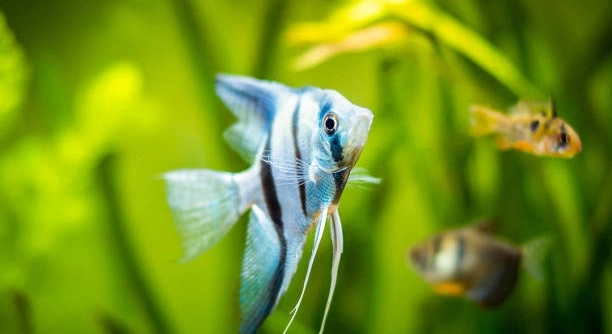
Angelfish are popular aquarium pets, admired for their beauty and unique personalities. However, it can be concerning when your angelfish suddenly avoids the filtered area of the tank. Understanding this behavior is important to ensure their well-being.
Angelfish may avoid the filtered area due to factors such as water flow, water quality, stress, or even illness. Changes in the environment, like a malfunctioning filter or sudden tank rearrangements, can also cause this behavior.
There are several factors to consider when your angelfish avoid certain areas of the tank. Understanding these can help you address the issue and keep your fish comfortable and healthy.
Water Flow and Current
Angelfish are sensitive to strong water flow. In the wild, they live in slow-moving waters, so they prefer calm, quiet areas. If your filter is creating a strong current, it could push them away from the area. Fish use their fins to navigate the water, but too much current can make it exhausting for them. This constant struggle against the flow may make your angelfish seek more peaceful parts of the tank.
Adjusting the filter’s flow or placing obstacles like plants can help reduce the current and give your angelfish a chance to feel more at ease. Reducing the flow will allow your fish to rest or move around without fighting against it.
If you notice your angelfish consistently avoiding the filtered area, it might be time to lower the filter’s flow rate or add a flow diffuser. This adjustment helps keep the water more still in the tank, allowing your fish to feel secure. Providing these calm zones will benefit their health and reduce stress over time.
Water Quality Issues
Water quality plays a huge role in your angelfish’s behavior. High ammonia, nitrites, or nitrates can make the water uncomfortable for them. When this happens, your fish may avoid certain areas of the tank to find cleaner spots. Poor water quality can lead to skin irritation, difficulty breathing, and stress.
Regular water changes and monitoring the tank’s water parameters are key to ensuring a healthy environment for your angelfish. Make sure the filter is working efficiently to remove waste, and test the water regularly for toxic compounds. If the water is unclean, your fish will seek out areas where they feel safer.
Sometimes, even after you clean the tank, your angelfish may still avoid the filtered area. This could be because the water near the filter contains higher concentrations of waste and chemicals. In that case, moving the filter or adding extra filtration can help. Consistently checking the water’s quality will help your fish thrive and feel secure.
Stress from Other Tank Mates
Angelfish are peaceful but can be sensitive to stress caused by aggressive or territorial tank mates. If other fish are harassing or chasing your angelfish near the filter, they may avoid the area entirely. Fish that are constantly disturbed can get stressed, affecting their health and behavior.
If you’re keeping multiple species in the same tank, consider the personalities of your fish. Some species are more aggressive and may make the environment hostile for angelfish. In these situations, providing hiding spaces and separate areas can help reduce tension in the tank.
Keeping compatible fish with similar temperaments will help prevent this type of stress. If aggression continues, it might be necessary to remove the more dominant fish or rehome them. Less stress means happier and healthier angelfish that will feel comfortable moving around the entire tank again.
Illness or Injury
If your angelfish is suddenly avoiding the filtered area, it could be due to illness or injury. Fish that are unwell tend to retreat to quieter parts of the tank to avoid predators or stress. An injury or illness can make the fish weak, causing it to stay away from certain areas of the tank.
Check your angelfish for signs of illness such as faded colors, swelling, or irregular swimming. Injuries may also appear as external damage, which can make it difficult for your fish to navigate the tank. Keep the water clean and provide a stress-free environment to help your angelfish heal.
If your fish appears sick, quarantine it in a separate tank to avoid spreading any potential diseases. Consult with a veterinarian to diagnose the problem and find the right treatment. In some cases, medication can help heal injuries or treat infections. Pay close attention to your fish’s behavior, and act quickly to avoid further harm.
Water Temperature Fluctuations
Angelfish are sensitive to temperature changes. Sudden fluctuations in water temperature can cause stress and discomfort, leading your fish to avoid the area near the filter. Filters often affect water temperature, and if it’s too warm or cold, your fish may seek cooler or warmer areas.
Make sure to keep the tank’s temperature within the ideal range for angelfish, typically between 76°F and 82°F (24°C to 28°C). Use a reliable thermometer to monitor the water temperature regularly. A heater with a thermostat can help maintain consistent warmth, preventing the tank from becoming too hot or cold.
Consistent water temperature is essential for your angelfish’s health. Sudden changes can weaken their immune system and make them more susceptible to illnesses. If your filter is creating an imbalance in temperature, adjusting the heater or filter’s placement can help. Stability is key to keeping your fish comfortable.
Filter Placement
The placement of your filter can affect how your angelfish interact with the tank. If the filter is too close to a corner or in an area with little space, it can create an uncomfortable flow for your fish. This could lead them to avoid that area.
Consider moving the filter to a different spot in the tank where it doesn’t create a strong current in a small, confined space. This can reduce the stress your angelfish experience. Try to aim for a balanced water flow that keeps the tank clean without overwhelming the fish.
Tank Size
If your tank is too small, your angelfish may feel cramped and stressed. A tank that’s too small limits their movement and can make them avoid areas where they feel trapped, like near the filter. This can impact their overall health.
Angelfish need plenty of space to swim and feel safe. The general rule is to have at least a 20-gallon tank for a small group of angelfish. Providing a larger space gives your fish room to move around freely and keeps them from feeling overwhelmed by their environment.
Lighting
Overly bright or inconsistent lighting can also lead to your angelfish avoiding certain areas. Fish rely on their ability to see clearly, and too much light can stress them out. They may seek darker, quieter spots in the tank.
Ensure your aquarium light is set to a comfortable level, not too bright, and on a consistent cycle. This will allow your angelfish to adjust to their surroundings without feeling anxious. A natural day-night cycle is also essential for their health and behavior.
FAQ
Why is my angelfish staying near the surface?
Angelfish may stay near the surface if the oxygen levels in the tank are low. A lack of oxygen can cause fish to swim closer to the surface, where the water is more oxygenated. This could also be due to high water temperatures, which reduce oxygen levels. Check the water parameters to ensure everything is balanced, and consider adding an air pump or increasing the water surface agitation to improve oxygen circulation.
Can water hardness affect my angelfish’s behavior?
Yes, water hardness can affect your angelfish’s behavior. Angelfish thrive in slightly soft to neutral water. If the water is too hard, it can cause stress and lead to behavior changes, such as avoiding certain areas. Use water conditioners to adjust the hardness to a suitable level for your fish. Regularly test the water to make sure it remains within the proper range. Keeping the water soft or moderately hard helps prevent stress and supports your angelfish’s health.
How can I tell if my angelfish is stressed?
Stressed angelfish may exhibit behaviors like hiding, rapid gill movement, or swimming erratically. They may also show signs of physical damage, like torn fins or a faded color. If your angelfish is avoiding the filtered area, it may be reacting to stress factors such as strong water flow, aggressive tank mates, or poor water quality. Observe their behavior and ensure the tank environment is calm and clean. Reducing stress can help your angelfish feel comfortable again.
Should I use a filter with strong water flow for angelfish?
Angelfish generally prefer calm waters and may be stressed by strong water flow. If the water flow is too harsh, your fish will avoid the area near the filter. You can use a filter with adjustable flow or add a diffuser to reduce the current. It’s best to create a gentle water movement throughout the tank to accommodate their natural preferences.
How often should I change the water for my angelfish?
To keep your angelfish healthy, perform regular water changes every one to two weeks, depending on tank size and stocking levels. Changing 20-30% of the water each time will help maintain good water quality, reducing harmful toxins that may cause stress or illness. Always use a water conditioner when adding new water to remove chlorine or chloramine. Monitoring ammonia, nitrite, and nitrate levels will guide you in knowing when to change the water.
Is it normal for angelfish to avoid the filter after a water change?
Yes, it’s normal for angelfish to avoid the filter after a water change. They may feel disoriented or stressed from the change in water chemistry or temperature. It’s important to ensure the water temperature is stable and similar to the tank’s original temperature before making the change. Avoid sudden fluctuations, and give your fish some time to adjust. Gradually changing the water can reduce the stress of these transitions.
Can tank decorations cause my angelfish to avoid certain areas?
Tank decorations can certainly play a role in where your angelfish choose to swim. If decorations are placed in a way that blocks the flow of water or makes the space feel cramped, your angelfish may avoid certain areas. Additionally, sharp objects or rough surfaces can harm their delicate fins. Make sure the decorations are positioned to create open spaces for your angelfish to move freely while also providing hiding spots for comfort. Ensuring the tank has a balanced layout can make your fish feel safer.
Can other fish in the tank cause my angelfish to avoid certain areas?
Yes, other fish can cause your angelfish to avoid certain areas. Aggressive or territorial fish can stress your angelfish, making them retreat from areas where they feel threatened, such as the filter. It’s crucial to keep tank mates that are peaceful and compatible with angelfish. If aggression is a problem, consider rehoming aggressive fish or adding more hiding places to give your angelfish a safe space to relax.
How can I make my angelfish feel more comfortable in the tank?
To make your angelfish feel more comfortable, ensure they have calm water conditions, a proper diet, and enough space to swim. Check that the water temperature, pH, and hardness are ideal for angelfish. Provide a variety of plants and decorations for them to explore and hide in if needed. Avoid sudden changes in the tank environment, such as drastic water changes or strong lighting. Keeping the tank clean and stable is key to making your angelfish feel safe and happy.
Why does my angelfish hide behind decorations?
Hiding behind decorations can be a sign of stress or discomfort. Angelfish may hide if they feel threatened by aggressive tank mates, are stressed by their environment, or are recovering from an injury or illness. It can also be a natural behavior if they’re feeling unwell or need a quiet place to rest. Monitor the tank’s conditions, reduce stress factors, and observe for signs of illness to ensure your angelfish is healthy.
Can temperature fluctuations from a filter cause my angelfish to avoid that area?
Yes, temperature fluctuations caused by the filter can make your angelfish avoid that area. Filters may heat or cool the water in their immediate vicinity, creating a temperature range that is uncomfortable for the fish. If the temperature near the filter is outside the ideal range, your angelfish may seek other areas of the tank. Adjusting the placement of the filter or adding a heater can help maintain a consistent and comfortable temperature throughout the tank.
Final Thoughts
Angelfish are beautiful, peaceful creatures, but they can be sensitive to changes in their environment. If you notice your angelfish avoiding the filtered area of the tank, it’s important to address the potential causes. This behavior can be a sign of stress, illness, or discomfort due to water conditions or the presence of other fish. Understanding why your angelfish is avoiding certain areas can help you make the necessary adjustments to improve their well-being.
One of the most common reasons your angelfish may avoid the filtered area is due to strong water flow. Angelfish naturally prefer calm waters, and a powerful filter can make it difficult for them to swim or relax. Reducing the flow by adjusting the filter or adding a diffuser can help. Additionally, always check your water quality, as poor water conditions like high ammonia levels or incorrect pH can cause your fish to avoid certain areas of the tank. Regular water changes and testing can keep the environment healthy for your angelfish.
It’s also important to monitor the tank for other factors such as tank mates, lighting, and temperature. Aggressive fish or incompatible tank mates may cause stress, leading to your angelfish retreating to safer areas. Similarly, if the water temperature fluctuates too much, your angelfish may avoid parts of the tank that are too hot or cold. Keeping the tank stable and ensuring it meets the needs of your fish can help them feel more comfortable. By paying attention to their environment and making small adjustments, you can create a better space for your angelfish to thrive.

Hello,
If you enjoy the content that we create, please consider saying a "Thank You!" by leaving a tip.
Every little bit helps us continue crafting quality advice that supports the health, happiness, and well-being of pets around the world, for pets of all shapes, sizes, and species.
We really appreciate the kindness and support that you show us!