
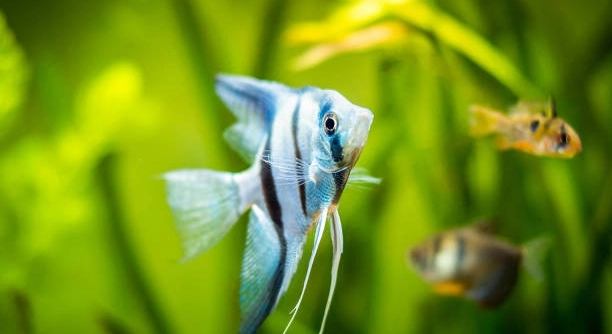
Angelfish are typically peaceful and graceful, but their sudden shift to predatory behavior can be alarming. This unexpected change often leaves fish owners puzzled, wondering what has triggered such a transformation in their normally docile fish.
The shift in an angelfish’s behavior could be caused by several factors, such as environmental stress, changes in diet, overcrowding, or even hormonal shifts. These theories highlight how angelfish may adapt to new conditions by displaying more aggressive tendencies.
Understanding the possible causes will help address the issue and improve the overall well-being of your angelfish.
Stress from Environmental Changes
Angelfish are sensitive to changes in their environment, and even slight shifts can lead to stress. Factors like water temperature fluctuations, poor water quality, or new tankmates can make your angelfish act differently. Stress often triggers defensive or predatory behavior as the fish reacts to perceived threats or discomfort.
In some cases, a sudden change in tank conditions can cause angelfish to become more aggressive. This may be due to the need for them to assert dominance or defend their space.
When introducing new fish or altering the tank setup, it’s important to monitor water parameters closely. Make sure the temperature, pH, and ammonia levels are all in safe ranges for your angelfish. Any imbalance in these can cause stress and trigger unwanted behaviors, including predation. Regular water changes and tank maintenance can significantly reduce the risk of stress-related behavior. Keeping your angelfish in a stable, clean environment is essential to avoid aggression.
Diet Imbalances and Hunger
A poor diet or inconsistent feeding schedule can affect your angelfish’s behavior.
If your angelfish is not receiving proper nutrition, it may become more aggressive when hunting for food.
Overcrowding in the Tank
Overcrowding can lead to increased competition for food and space, causing angelfish to act more aggressively. When too many fish are in the tank, angelfish may feel territorial and protective of their space, leading to predatory behavior.
In a crowded tank, angelfish are more likely to exhibit territoriality. This can result in chasing, fin nipping, and even attempting to eat smaller fish. It’s essential to maintain the proper stocking levels to avoid unnecessary stress on your angelfish.
Maintaining a balanced tank population ensures all fish have enough room to thrive. Overcrowding not only affects your angelfish but can also lead to poor water quality, which further exacerbates stress and aggression. Keeping the number of fish in check will help your angelfish remain calm and peaceful.
Hormonal Changes and Mating Behavior
Angelfish go through hormonal changes, particularly during mating seasons. These changes can trigger predatory behavior as they seek to protect their mate or territory.
During breeding periods, angelfish may become more aggressive as they defend their eggs and territory. This behavior is natural, though it can be startling for owners who aren’t familiar with it. It’s important to recognize that such changes are often temporary.
Illness or Injury
Health issues can cause angelfish to behave differently. If an angelfish is sick or injured, it may act aggressively as a defense mechanism. Illness or physical pain can trigger erratic behavior.
If you notice abnormal behavior, such as hiding, flashing, or increased aggression, inspect your angelfish closely for signs of disease or injury. A thorough check of their fins, skin, and gills can reveal potential problems.
Lack of Hiding Spots
Angelfish need spaces to retreat and feel secure. Without enough hiding spots in the tank, they may become stressed, leading to more aggressive behavior.
Adding plants, decorations, or caves to the tank will help provide security and reduce stress, promoting more peaceful behavior.
FAQ
Why is my angelfish acting like a predator?
Angelfish may start acting like predators due to stress, overcrowding, hormonal changes, or hunger. When their environment is disturbed, they may exhibit aggressive behaviors, such as chasing other fish or nipping at fins. It’s important to assess their living conditions and make adjustments to reduce stress and provide a stable environment.
Can angelfish change their behavior suddenly?
Yes, angelfish can change their behavior suddenly. This can be triggered by sudden environmental changes, water quality issues, or health problems. For example, a sudden temperature drop or a change in water parameters can lead to aggression. Hormonal shifts, especially during breeding season, can also cause a shift toward more predatory actions.
What are the signs that my angelfish is stressed?
Stress in angelfish can be indicated by erratic swimming, hiding more than usual, and refusing food. They may also display signs of aggression, such as chasing or attacking tank mates. Stress can be caused by poor water quality, overcrowding, or changes in tank conditions. Monitoring water parameters and tank population is key.
How can I reduce aggression in my angelfish?
To reduce aggression, maintain stable water conditions and avoid overcrowding. Make sure your tank has enough hiding spots for angelfish to retreat to when they feel threatened. Feeding a balanced diet and offering enough space can also reduce territorial behavior. Regular water changes and careful monitoring of tankmates are also essential.
Do angelfish become aggressive during breeding?
Yes, during breeding seasons, angelfish can become more territorial and protective. They may guard their eggs or fry aggressively, and this behavior can be mistaken for predation. If breeding is happening, it’s important to provide a tank setup that supports their need for privacy and space to avoid conflict with other fish.
Can angelfish eat other fish?
Although angelfish are primarily omnivores, they may attempt to eat smaller fish, especially if they are hungry or stressed. Young or weak tankmates are often at risk. It’s important to ensure that the fish in your tank are large enough or fast enough to avoid becoming a target.
What should I do if my angelfish is eating smaller fish?
If your angelfish starts targeting smaller fish, consider removing the smaller fish or providing more hiding spots. You can also try feeding your angelfish more frequently or offering a more varied diet to ensure it’s getting enough food. Reducing stress and overcrowding can also help minimize aggressive behavior.
How often should I feed my angelfish to prevent aggression?
Feeding your angelfish once or twice a day should be sufficient. Overfeeding can lead to water quality problems, which may cause stress and aggression. A balanced diet that includes both plant and animal matter can also help prevent hunger-induced aggression.
Is overcrowding a common cause of aggressive behavior in angelfish?
Yes, overcrowding can lead to stress and aggression in angelfish. When there isn’t enough space for each fish to establish a territory, they become more likely to fight or act defensively. Always ensure that your tank has adequate space for the number of fish you have to reduce the risk of aggression.
Can a sick angelfish act aggressively?
A sick angelfish may act aggressively due to pain, discomfort, or stress caused by the illness. It’s important to monitor for symptoms such as discoloration, fin clamping, or unusual behavior. Isolating the sick fish in a quarantine tank can help prevent the spread of disease and allow you to treat it effectively.
How can I tell if my angelfish is sick or just stressed?
A stressed angelfish will typically show signs like hiding, erratic swimming, or fin clamping, but it will still eat and move around. A sick fish, however, may refuse food, have visible lesions or discoloration, and show more dramatic behavior changes. Observing your fish’s behavior and appearance closely can help distinguish between the two.
Do angelfish need a lot of space to thrive?
Yes, angelfish require a spacious tank to thrive. A tank of at least 30 gallons is recommended for a single angelfish. Providing ample swimming space and hiding spots can reduce stress and aggression. The more space you give them, the less likely they are to act aggressively toward other tankmates.
Can I keep multiple angelfish together without issues?
Yes, you can keep multiple angelfish together, but it’s important to maintain a proper male-to-female ratio and ensure the tank is large enough. Angelfish can become territorial, especially during breeding, so giving them enough space and hiding places is essential to prevent aggression. Keeping a single angelfish or a small group with plenty of room will reduce conflicts.
Are there specific tank mates that are better for angelfish?
Angelfish do well with peaceful fish that are similar in size and temperament. Avoid keeping them with very small fish, as they may be seen as prey. Suitable tank mates include larger tetras, peaceful gouramis, and corydoras catfish. Always monitor the interactions between tankmates to prevent aggression.
How can I help my angelfish adjust to a new tank?
To help your angelfish adjust to a new tank, maintain stable water parameters and allow them time to acclimate. Avoid introducing too many new fish at once, as this can cause stress. Gradually introduce the angelfish to its new environment, and give it plenty of time to explore and settle in.
Final Thoughts
Angelfish can be captivating to care for, but their sudden shift in behavior, especially when acting like predators, can be a challenge. Whether it’s caused by stress, overcrowding, hormonal changes, or hunger, understanding the root cause is key. The behavior isn’t usually permanent, but it can be unsettling for both the fish and the aquarium owner. By closely monitoring their environment, you can identify the factors that may be triggering aggression. Overcrowding, poor water quality, or inadequate hiding spots can all lead to increased stress, which is a common factor in territorial or predatory behavior. Ensuring the right tank conditions and offering adequate space for each fish can prevent many issues before they arise.
It’s also important to remember that angelfish, like all fish, can act unpredictably due to health concerns. Illnesses or injuries may cause them to become more defensive or aggressive. If your angelfish begins showing signs of illness, such as refusal to eat, discoloration, or abnormal swimming, it’s crucial to address the issue promptly. Sick fish may act aggressively as a defense mechanism, so isolating them and treating the illness can help reduce the risk of further aggression. A healthy angelfish, living in a stable and stress-free environment, will be less likely to display predatory behavior. Regular water testing, along with maintaining proper feeding schedules, will help ensure that your angelfish remain healthy and calm.
Finally, patience and observation are essential when caring for angelfish. These fish are sensitive to changes in their environment, and understanding their behavior will help you manage any challenges that come up. By providing a balanced diet, keeping water conditions stable, and ensuring plenty of space and hiding spots, you can reduce the chances of your angelfish acting like predators. Every fish has its own personality, and some may naturally be more territorial than others. It’s crucial to address any aggressive behavior early on and make necessary changes to the tank setup. In the end, with a little attention to detail and care, your angelfish can thrive in a peaceful environment.

Hello,
If you enjoy the content that we create, please consider saying a "Thank You!" by leaving a tip.
Every little bit helps us continue crafting quality advice that supports the health, happiness, and well-being of pets around the world, for pets of all shapes, sizes, and species.
We really appreciate the kindness and support that you show us!