
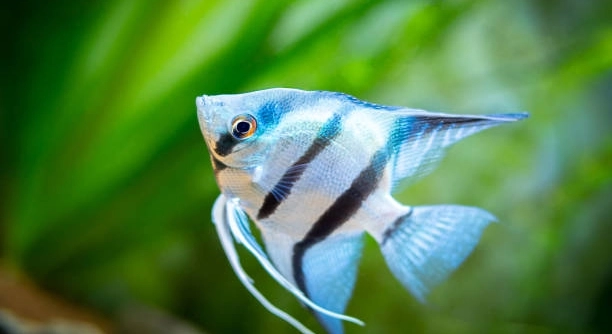
Angelfish are beautiful and popular aquarium fish, but when they stay near the surface of the water, it can raise concerns. Understanding the reasons behind this behavior is essential to ensuring their well-being.
Angelfish typically stay near the surface due to a variety of factors, including water quality issues, low oxygen levels, or stress. It’s important to assess these environmental and health factors to help resolve the issue effectively.
By exploring these reasons, you can find solutions that improve your angelfish’s environment and overall health. Let’s uncover the common causes and what you can do to help them thrive again.
Water Quality Issues
Poor water quality can significantly affect your angelfish. When water parameters like pH, ammonia, nitrites, and nitrates become unbalanced, your fish may act stressed and swim near the surface. It is important to maintain clean water for their health. High levels of waste or toxins in the water can also make it harder for them to breathe.
Angelfish are sensitive to changes in water quality, and any shift in parameters could force them to stay near the surface in search of cleaner, more oxygenated water. Regular water changes, cleaning the filter, and testing the water can prevent this behavior.
Keeping a close eye on water parameters, such as the temperature (ideally 76–82°F) and pH levels (6.5–7.5), is essential. If your angelfish remains near the surface despite having no visible signs of illness, testing the water should be the first thing you do. Adjusting the water quality can resolve the issue, making your angelfish feel more comfortable and active.
Low Oxygen Levels
Another reason your angelfish may stay near the surface is low oxygen levels in the tank. Oxygen tends to be higher near the surface of the water, which is why your fish might be trying to get more air.
Oxygen deficiency can occur if the tank is overcrowded, if the water temperature is too high, or if there isn’t enough water movement. You can fix this by adding an air pump or adjusting the filter to improve oxygenation.
Stress or Fear
Angelfish can also stay near the surface when they are stressed or frightened. Stressful factors like sudden changes in their environment or aggressive tank mates can cause them to seek shelter near the top. When they feel threatened, they might retreat to areas where they feel safer.
Overcrowding in the tank or loud noises outside the aquarium can also contribute to their stress. Make sure your fish have enough space, and provide plenty of hiding spots where they can escape from potential threats. Reduce any disturbances that might be causing them to feel uneasy.
Fish that are constantly stressed will often show other signs, like a loss of appetite, faded color, or erratic swimming. To prevent this, create a calm environment by avoiding sharp changes in water conditions and minimizing aggressive interactions with other fish. Monitoring their behavior closely can help ensure that stress doesn’t lead to further health issues.
Illness or Disease
Illness is another common reason why your angelfish may stay near the surface. Certain diseases or infections can make it difficult for your fish to breathe properly, prompting them to swim near the top to get more oxygen. Diseases like gill flukes or swim bladder disorder affect their ability to swim comfortably.
If you notice your angelfish struggling to stay submerged, with rapid gill movement or irregular swimming patterns, it could be a sign of illness. Inspect your fish for any visible signs like spots, lesions, or changes in their behavior. If the issue seems health-related, it’s crucial to treat them immediately.
A quick diagnosis can help avoid serious consequences. Ensure that your fish are receiving proper care, such as maintaining optimal water conditions and feeding them a balanced diet. If necessary, consult a vet specializing in aquarium fish to help resolve the issue quickly.
Overheating
Angelfish are sensitive to temperature changes. If the water gets too warm, they may swim near the surface to seek cooler water, as oxygen levels tend to be higher there. Keeping the tank temperature stable is essential for their health.
Water temperatures above 82°F can stress your fish and lead to this behavior. It’s important to monitor the tank’s temperature and ensure it stays within the ideal range of 76–82°F. If the temperature rises too high, try lowering it gradually using a fan or a tank cooler. This will help reduce their stress and bring them back to their normal swimming patterns.
Avoid drastic temperature changes, as these can further stress your angelfish. If you’re using a heater, check that it’s set correctly and functioning properly. An unstable temperature can also cause oxygen levels to drop, making your angelfish retreat to the surface.
Poor Tank Conditions
Your angelfish may stay near the surface if their tank conditions are poor, such as with inadequate filtration or insufficient water movement. Stagnant water makes it harder for them to breathe, causing them to seek better oxygen flow near the top.
Make sure your filtration system is working well and that water is moving adequately throughout the tank. A reliable filter will ensure proper oxygenation and maintain healthy water conditions. Without it, harmful substances can build up, and your fish will feel uncomfortable, potentially leading to surface dwelling.
Tank Size and Space
Angelfish need plenty of space to swim. In a small or overcrowded tank, they may feel stressed and seek refuge near the surface. It’s important to provide them with enough room to move around freely.
A tank that’s too small or overly crowded can lead to territorial behavior and reduced swimming activity. If you notice your angelfish frequently staying at the top, consider increasing the tank size or reducing the number of fish. This will allow your angelfish to feel more secure and reduce their stress levels.
FAQ
Why is my angelfish staying near the surface all the time?
If your angelfish is staying near the surface, it’s often a sign of environmental issues like poor water quality, low oxygen levels, or stress. It’s important to check the water parameters, ensure the tank is properly filtered, and reduce any factors that might be causing stress. Angelfish tend to swim at the top when they’re having trouble breathing, either due to oxygen deficiency or water that’s too warm. Regular water changes and checking for signs of disease are essential to solving the problem.
How can I improve the water quality in my tank?
To improve the water quality, start by performing regular water changes, typically 25% every week. Use a water conditioner to remove chlorine or chloramine, and test for ammonia, nitrites, and nitrates. Keeping a filter that’s suited for your tank size is important for proper filtration. Also, check that the water temperature stays consistent and within the optimal range for angelfish, which is 76–82°F. Monitoring the water parameters regularly with a test kit will help keep things balanced and healthy.
Can stress be a reason for my angelfish staying near the surface?
Yes, stress is a major factor in surface-dwelling behavior. Angelfish can become stressed due to overcrowding, territorial disputes with tank mates, sudden changes in water parameters, or even external factors like loud noises. If the tank environment feels unsafe, they will seek refuge near the surface to escape. To reduce stress, try creating a peaceful environment, with plenty of hiding spots for your fish and ensuring the tank has enough space for all its inhabitants.
How do I know if my angelfish has a disease?
If your angelfish is staying near the surface and showing signs like rapid gill movement, faded colors, or abnormal swimming, they may be sick. Look for any physical signs such as spots, lesions, or swelling. A healthy angelfish should swim smoothly and breathe steadily. If your fish is struggling to stay submerged or appears lethargic, you might need to isolate them and treat them with the appropriate medication. Consulting a veterinarian who specializes in aquarium fish is always a good option.
Can temperature fluctuations affect my angelfish’s behavior?
Yes, temperature fluctuations can cause angelfish to stay near the surface. If the water gets too warm, oxygen levels will drop, and the fish may swim closer to the surface in search of more oxygenated water. The ideal temperature for angelfish is 76–82°F. To keep the temperature stable, use an aquarium heater with a built-in thermostat and check the temperature regularly. Avoid placing the tank in areas that are subject to drafts or heat sources like direct sunlight or heaters.
How can I increase oxygen levels in my tank?
Increasing oxygen levels can be done by improving water circulation. Adding an air pump or increasing the flow rate of your filter can help. Angelfish prefer slow-moving water, so avoid strong currents but still ensure there’s some movement to help oxygenate the tank. Adding live plants can also help increase oxygen, as they produce oxygen during photosynthesis. Ensure that your tank is not overcrowded, as more fish will consume more oxygen.
Should I change the water often if my angelfish is staying at the surface?
Yes, frequent water changes can help improve the overall water quality, especially if your angelfish is staying near the surface due to poor conditions. A dirty or overfilled tank with too much waste can lower oxygen levels, making the surface more appealing for your fish. Perform water changes regularly, and check the water parameters to ensure they remain within a healthy range. Cleaning the tank and filtering the water helps keep your fish comfortable and reduces the chances of them lingering at the top.
What tank size is best for angelfish?
Angelfish need a tank that’s at least 20 gallons to thrive, though larger tanks (30-50 gallons) are even better. A smaller tank can cause stress and make it difficult for your angelfish to swim freely, leading them to spend more time near the surface. The more space they have, the less likely they are to feel crowded or territorial. Make sure the tank is wide enough to allow them to swim freely, as angelfish are not only tall but also prefer horizontal space.
Can my angelfish’s tankmates be causing them stress?
Yes, tankmates can cause stress in angelfish, especially if they are aggressive or too active. If your angelfish feels threatened by other fish, it may stay near the surface for safety. Keep an eye on any fish that seem to bully or chase your angelfish, as this can lead to constant stress. Choose peaceful tankmates that won’t compete with your angelfish for space or food. Consider removing any aggressive fish and provide your angelfish with more hiding places to reduce stress.
How can I prevent my angelfish from staying at the surface due to low oxygen levels?
To prevent low oxygen levels, ensure the tank is properly aerated. Adding an air pump or adjusting the filter to create gentle water movement can help. Avoid overcrowding the tank and ensure there’s enough space for oxygen to circulate. Regular water changes will also help maintain oxygen levels and prevent harmful substances from building up, allowing your angelfish to breathe easily and stay healthy.
Final Thoughts
Angelfish are sensitive creatures that thrive in stable and clean environments. If you notice your angelfish staying near the surface, it’s often a sign that something in their environment is not quite right. This behavior can result from a variety of factors, such as poor water quality, low oxygen levels, stress, or even illness. Addressing these issues promptly can help improve your angelfish’s comfort and overall well-being. It’s important to regularly check the water parameters, such as temperature, pH, and ammonia levels, to ensure your fish are living in the best conditions possible.
By maintaining a clean tank, performing regular water changes, and ensuring proper filtration, you can avoid many of the problems that lead to surface-dwelling behavior. If you find that your angelfish is staying near the surface due to stress or fear, it’s crucial to create a peaceful environment with plenty of space and hiding spots. Aggressive tankmates or overcrowding can also cause your angelfish to feel unsafe, making it harder for them to relax. Monitoring their behavior closely can help you spot stress early and take action to reduce it.
If you’ve ruled out environmental factors and your angelfish continues to stay near the surface, it’s time to consider their health. Illnesses like gill flukes or swim bladder issues can affect their ability to swim properly, forcing them to stay near the top for air. In these cases, isolating the sick fish and seeking treatment is necessary. Keep an eye on their behavior and appearance, as early detection can make a significant difference in recovery. By addressing any of these factors, you can help your angelfish return to its normal, healthy behavior and ensure a happier life in your aquarium.

Hello,
If you enjoy the content that we create, please consider saying a "Thank You!" by leaving a tip.
Every little bit helps us continue crafting quality advice that supports the health, happiness, and well-being of pets around the world, for pets of all shapes, sizes, and species.
We really appreciate the kindness and support that you show us!