
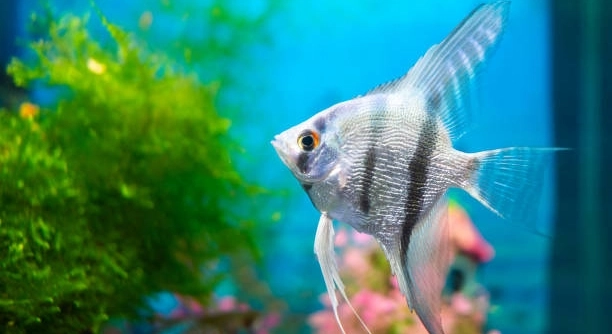
Is your angelfish spending a lot of time near the bubbles in your aquarium, and you’re not sure why it’s happening?
The most common reason an angelfish stays near bubbles is a lack of oxygen in the water. The fish may be seeking better aeration in that area, especially if the tank has poor circulation or inadequate filtration.
Learning the possible reasons behind this behavior can help you improve your angelfish’s environment and keep it healthy and stress-free.
Lack of Oxygen in the Water
When an angelfish spends a lot of time near the bubbles, low oxygen levels are often the cause. Fish need dissolved oxygen in the water to breathe, and areas near air stones or bubble walls usually have more oxygen. If the tank is overcrowded or the filter isn’t working properly, oxygen levels can drop. Warmer water also holds less oxygen, so if the tank is too warm, your angelfish might be struggling to get enough air. Watch for signs like rapid gill movement or other fish gasping near the surface. These can signal poor oxygenation and the need for immediate attention. Adding a bubbler or improving water movement can help restore balance. Regular water changes and filter maintenance also make a big difference. Testing your water with an aquarium test kit will help you monitor oxygen levels and other parameters so your fish stay safe and healthy in their home.
Fish swimming toward bubbles often seek comfort or easier breathing.
If your angelfish suddenly starts staying near the bubbles, consider checking your tank’s temperature, filter condition, and water circulation. Small changes in setup can improve oxygen levels quickly. Keeping a close eye on these signs helps prevent health issues and supports a better habitat.
Strong Water Flow or Current
A powerful filter or strong air pump can create a current that draws fish toward one side of the tank. Some angelfish stay near bubbles if the flow pushes them there, either because it’s hard to swim elsewhere or they find the movement soothing.
If your angelfish is constantly near bubbles, it might be reacting to water movement. Angelfish prefer calm waters similar to their natural Amazon habitat. Strong currents can stress them out, forcing them to stay in areas where the flow feels gentler—often near the bubbler. Check your filter output and air pump settings. If the water seems to be churning or your angelfish struggles to swim normally, the flow may be too intense. Adjust the direction of your filter outflow or switch to a lower-powered air pump to see if it helps. Watch how your angelfish behaves afterward. A relaxed, curious swimmer moving throughout the tank is a good sign. Providing a calm and stable environment helps your fish feel safe and behave naturally.
Curiosity and Natural Behavior
Angelfish are naturally curious and may be attracted to bubbles simply because they’re interesting. The movement, sound, and look of rising bubbles can catch their attention, making them linger in that area out of habit or amusement.
This behavior is usually harmless and not a cause for concern unless it’s paired with other unusual signs. If your angelfish is eating well, swimming normally, and not showing any symptoms like clamped fins or faded colors, then its interest in bubbles may just be part of its regular routine. Some fish enjoy exploring new textures and movements in their environment. Bubbles can resemble the gentle flow of streams, which angelfish might find familiar and comforting. Observing them helps you tell the difference between playful curiosity and distress. As long as the rest of the tank conditions are stable, this bubble-watching behavior is generally nothing to worry about.
If this becomes a frequent behavior and you’re unsure whether it’s just curiosity, pay attention to the time of day and surrounding tank activity. Some fish become more active when lights go on or off, or when people approach the tank. They might even associate the bubbling with feeding time. Noticing patterns helps you understand their behavior better.
Temperature Changes in the Tank
A sudden change in water temperature can push your angelfish to stay near the bubbles. When the tank gets too warm, oxygen levels drop, and the fish move toward well-aerated areas, like where the bubbles rise.
Angelfish prefer water between 76°F and 82°F. If the temperature goes above or below this range, they can become stressed. Heat affects how much oxygen the water holds, and bubbles might offer slight relief. On the other hand, cold water can make them lethargic, leading them to hover near familiar spots like the bubbler. Make sure your heater is reliable and your thermometer is accurate. If you notice that your angelfish only stays near the bubbles during certain times—like after a heater cycle or a water change—it’s a good idea to double-check your settings. Stable temperatures help your fish feel more secure and keep them from clinging to one area.
Stress or Discomfort
Stress can cause your angelfish to stay near the bubbles if that area feels safer or calmer. Bright lights, loud noises, aggressive tank mates, or sudden changes in water quality might lead them to seek out that space.
Discomfort from poor water quality or illness may also lead them there. Always check for ammonia, nitrite, and nitrate levels if you notice unusual behavior.
Illness or Parasites
Sick angelfish may stay near bubbles because breathing is easier there. If your fish has clamped fins, pale color, or spots on its body, it may be unwell. Parasites or infections can make swimming difficult or cause the fish to gasp for air. Staying near the bubbles could be a way to cope. Keep an eye on their overall energy and appetite. Quarantining a sick fish and using the right treatment early can make a big difference. Water tests and visual checks help you rule out infection before it worsens. Addressing symptoms quickly keeps your angelfish more comfortable and helps protect other fish in the tank.
Territorial Behavior
Angelfish can be territorial, especially during breeding. Staying near the bubbles might be part of defending a chosen area they feel is theirs.
FAQ
Why does my angelfish stay near the air stone all day?
If your angelfish is staying near the air stone all day, it might be due to low oxygen levels in the tank. Air stones help improve oxygen exchange, and fish may gather near them when the water lacks enough oxygen. It could also be a response to warm water, since warmer temperatures reduce how much oxygen water can hold. However, if your angelfish looks calm, is eating normally, and shows no signs of illness, it may just enjoy that part of the tank. Always check water quality and temperature to be safe.
Can bubbles harm my angelfish?
No, bubbles themselves do not harm angelfish. They are just air rising through the water and can even help improve oxygen levels. However, if the bubbles are caused by an overly strong air pump or create a harsh current, your fish might become stressed or disoriented. It’s important to find the right balance so the bubbles help with aeration without disturbing the natural swimming behavior of your angelfish. Always observe your fish’s reaction to new equipment, and adjust the settings if the flow seems too strong.
Is it normal for angelfish to stay in one spot?
It depends on the situation. Angelfish often stay still while resting, especially near plants or decorations they feel safe around. However, if your angelfish stays in one spot for hours or only moves when startled, it could signal stress or sickness. Watch for signs like lack of appetite, dull colors, or fin clamping. These can indicate poor water quality or underlying health issues. If your angelfish is hovering near the bubbles, make sure it’s not gasping for air or hiding from tank mates. A healthy fish usually moves throughout the tank during the day.
How do I know if my angelfish is getting enough oxygen?
You’ll notice healthy breathing when your angelfish’s gills move steadily but not rapidly. If the fish is gasping at the surface or near the bubbler, it could mean the water lacks oxygen. You can improve oxygen by adding a bubbler, increasing surface agitation, or making sure your filter is circulating water properly. Water temperature also plays a role—cooler water holds more oxygen. Use a test kit to check oxygen levels if you’re unsure. A calm, active fish with normal gill movement is a good sign that oxygen levels are where they should be.
Should I add more bubblers if my angelfish stays near one?
Not always. If your angelfish is spending time near the bubbler, it doesn’t necessarily mean you need to add more. It’s better to check the root cause first. Make sure your filter is working properly and the water is clean and well-circulated. Too many bubbles can create too much movement, which may not be ideal for angelfish. If you think your tank needs more aeration, try adjusting the filter flow or using a single, gentle air stone rather than adding multiple devices. Keep an eye on your fish’s behavior after any changes.
Do angelfish like bubbles?
Some do, some don’t. It depends on the individual fish and how strong the bubble flow is. Gentle bubbles can be soothing and provide enrichment, while aggressive bubbling might be stressful. If your angelfish is always swimming near a gentle stream of bubbles, it may just enjoy the sensation or be curious about the movement. But if the bubbles are forcing the fish to one area or affecting how it swims, it’s worth adjusting the setup. Always try to mimic their natural environment, which includes still or slow-moving water.
How can I tell if something is wrong with my angelfish?
Look for behavior changes like hiding, lack of appetite, clamped fins, gasping, or sudden aggression. Also pay attention to physical signs such as dull coloring, white spots, bloating, or fin rot. These are all signals something may be wrong. If your angelfish is staying near bubbles and showing any of these symptoms, it might be stressed or sick. Check water parameters like ammonia, nitrite, nitrate, pH, and temperature. Clean water and consistent care usually prevent many common health problems. Acting early helps your angelfish recover quickly and stay comfortable in its tank.
Final Thoughts
Watching your angelfish spend time near the bubbles can feel confusing at first. It’s not always easy to tell if the behavior is harmless or if something more serious is going on. The reasons behind it can range from curiosity to low oxygen levels, water temperature issues, stress, or illness. That’s why it’s important to look at the full picture—pay attention to how your angelfish is swimming, breathing, eating, and interacting with other fish in the tank. These small details help you figure out what your fish needs and whether something in the tank should be adjusted.
Making sure your tank conditions are stable goes a long way. Keep the water clean, check the temperature, and test for ammonia, nitrites, and nitrates. A good filter and gentle air stone setup can also improve the environment without stressing your fish. If the water quality is right and your angelfish seems calm and healthy, staying near the bubbles is likely not a problem. But if the behavior is new or comes with other changes—like lack of appetite or faded colors—it’s worth looking closer. Small changes in setup can often help your fish feel more relaxed and active again.
Every angelfish has its own habits and preferences. Some may like the feel of bubbles or find that area peaceful, while others may avoid it. The key is knowing what’s normal for your fish and spotting when something feels off. Regular observation, even just a few minutes a day, helps you catch issues early and makes it easier to care for your angelfish long term. With a stable tank and a little attention, you can create a space where your fish feels safe, healthy, and free to explore—whether it’s swimming near the bubbles or resting in a quiet corner.

Hello,
If you enjoy the content that we create, please consider saying a "Thank You!" by leaving a tip.
Every little bit helps us continue crafting quality advice that supports the health, happiness, and well-being of pets around the world, for pets of all shapes, sizes, and species.
We really appreciate the kindness and support that you show us!