
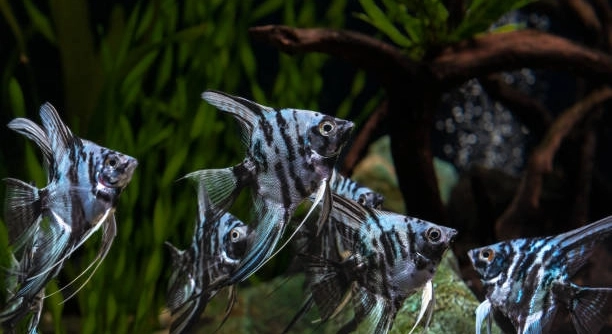
Is your angelfish spending more time at the surface than usual, making you wonder if something might be wrong in the tank?
Angelfish often swim near the surface due to low oxygen levels, poor water quality, or temperature imbalances. Other causes may include illness, stress, or a strong current that makes deeper swimming difficult or uncomfortable.
Understanding these possible causes can help you improve your angelfish’s environment and support its overall health moving forward.
Low Oxygen Levels in the Water
Angelfish tend to rise to the surface when oxygen levels in the tank are too low. Poor aeration, warm temperatures, or overcrowding can all reduce oxygen availability. When fish linger near the surface, they may be trying to access the higher oxygen levels found there. You might also notice them gasping or appearing more sluggish than usual. Make sure your tank has proper filtration and circulation. Using an air stone or adjusting the filter output can improve oxygen levels quickly. Regular water changes and keeping the tank at a stable temperature help as well.
Look for signs like rapid gill movement, reduced activity, or floating near the surface for long periods.
If this happens often, check your water parameters. Warmer water holds less oxygen, and high ammonia or nitrite levels can stress fish even further. Adding live plants, keeping the water clean, and not overfeeding can all support healthy oxygen levels long term.
Poor Water Quality
Dirty tank water is one of the fastest ways to stress your angelfish and cause them to hang around the top.
Uneaten food, decaying plants, and waste build-up all release toxins that affect water quality. Ammonia spikes or high nitrite levels are especially harmful. Even if the tank looks clean, invisible imbalances can still cause issues. If your angelfish starts acting differently, test the water right away. Doing weekly water changes and vacuuming the substrate keeps these toxins under control. Always use a water conditioner when adding new water. Make sure your filter is working properly and isn’t clogged. A well-maintained filter helps break down waste and keeps your tank stable. Even small shifts in pH or temperature can throw off the balance, so test regularly. Keeping an eye on your tank’s environment is one of the simplest ways to prevent health problems before they start.
High Water Temperature
When the water gets too warm, angelfish may swim near the surface where oxygen levels are slightly higher. Warmer water holds less oxygen, making it harder for fish to breathe, especially in tanks without good circulation.
Temperatures above 82°F can make angelfish uncomfortable and increase their activity, leading to more oxygen use. If the tank is near a window or heat source, it can heat up quickly during the day. Use an aquarium thermometer to monitor the temperature regularly. If it’s consistently too high, consider moving the tank or adding a small fan nearby. Avoid sudden temperature changes, as they can also cause stress. During warmer months, slightly reducing the room’s temperature or lowering the aquarium light cycle may help keep things stable. Stable temperatures between 76–80°F are ideal for angelfish. Keeping the tank in a shaded, temperature-controlled area helps prevent unnecessary stress.
Keeping your tank cool isn’t just about comfort—it directly impacts your angelfish’s breathing and overall behavior. Even a few degrees too warm can make a big difference. If your filter doesn’t provide enough movement, the warmer water may sit still, further lowering oxygen. Adding surface agitation through a bubbler or adjusting the filter outflow helps more oxygen reach the water. Pay attention to your fish’s behavior on warmer days. If they’re hanging near the top or breathing fast, take steps quickly to cool the water. Gradual changes are always better than sudden shifts, so lower the temperature slowly if needed. A fan above the tank or slightly cooler water changes can help.
Illness or Parasites
When angelfish don’t feel well, they may stay near the surface more often. Internal parasites or infections can affect how they breathe and move, making them seek out calmer or more oxygen-rich areas.
Watch for changes like clamped fins, reduced appetite, or unusual swimming patterns. Surface hovering may be one of several signs pointing to illness. If you suspect something’s wrong, separate the affected fish if possible and monitor them closely. Use a test kit to rule out water quality issues first. If symptoms continue, research the most likely illness based on visible signs and consider medication. Quarantine tanks are useful in these cases.
Treating illness early helps reduce the risk of spreading it to other fish. Many health problems can worsen quickly in a closed tank environment. Medications for internal parasites or bacterial infections are often added directly to the water. Follow instructions carefully and remove activated carbon from your filter before treatment. Maintain steady water quality during the recovery period. Feeding high-quality food and minimizing stress can also support healing. If multiple fish are affected, a full-tank treatment may be needed. Clean any tools used between tanks to avoid cross-contamination. Taking action at the first sign of trouble helps keep your angelfish healthier in the long run.
Strong Water Current
A powerful filter or pump may create a current that’s too strong for angelfish, pushing them toward the surface. They may hover in calmer spots near the top to avoid constant swimming or struggling in fast-moving water.
If your angelfish seem stressed or avoid certain areas, try adjusting the filter flow. You can use a sponge pre-filter, baffle, or plants to reduce the current without harming filtration. A gentle flow helps angelfish feel more secure and behave naturally.
Stress From Tank Mates
Aggressive or overly active tank mates can make angelfish anxious. They may retreat to the surface to avoid confrontation or escape the attention of fast swimmers. This kind of stress affects both their physical health and behavior.
It’s best to house angelfish with calm, similarly-sized fish that won’t chase or nip at them. Avoid fin-nippers like barbs or highly active swimmers that disturb the angelfish’s environment. Stress from tank mates can lead to long-term issues if not addressed. Rearranging decorations or adding plants can provide hiding spots and create a more peaceful layout. If needed, consider separating problem fish to restore balance.
Natural Behavior
Sometimes, angelfish simply prefer the surface for short periods, especially when feeding or exploring. If they seem active and healthy otherwise, this behavior may not be a concern. Keep watching for patterns and other changes just in case.
FAQ
Why is my angelfish gasping at the surface?
Gasping near the surface can be a sign that your angelfish isn’t getting enough oxygen. This may happen due to poor water quality, low oxygen levels, or high water temperatures. When oxygen is low, fish instinctively swim toward areas where oxygen is more abundant, often near the surface. To resolve this, make sure your tank has proper aeration, a well-functioning filter, and regular water changes. Check water parameters like pH, ammonia, and nitrites, and ensure the temperature is stable.
Can I fix the surface-swimming problem by changing the filter?
Yes, adjusting the filter can help if a strong current is pushing your angelfish to the surface. If the current is too strong, angelfish may seek calmer waters near the surface. Consider adding a filter baffle or using a sponge filter to reduce the flow without compromising water filtration. This creates a more comfortable environment for your fish, helping them feel less stressed and more secure.
How can I prevent my angelfish from staying near the surface?
To prevent your angelfish from staying near the surface, first, check your water quality. Ensure the oxygen levels are sufficient by adding an air pump or adjusting your filter. Keep the water temperature between 76°F and 80°F, as high temperatures can stress the fish. Regularly test for ammonia, nitrite, and nitrate levels to maintain a safe environment. You can also add plants or decorations to help reduce stress and give the fish areas to hide.
What are signs that my angelfish are stressed?
Angelfish show signs of stress in several ways. Common indicators include clamped fins, abnormal swimming patterns, or staying at the surface for long periods. They might also lose their appetite or become more reclusive. If your angelfish are stressed, check the water quality, temperature, and tank mates for potential problems. Stress can also come from overcrowding, poor filtration, or lack of hiding spots.
Is it normal for angelfish to swim near the surface?
Yes, it’s normal for angelfish to swim near the surface at times. They may do this when they’re looking for food, resting, or exploring. However, if they are constantly staying near the surface or showing signs of distress, it could be a sign of an underlying issue like poor water quality or high temperatures.
Can illness cause angelfish to stay at the surface?
Yes, illnesses or parasites can cause angelfish to stay at the surface. When fish are sick, they may avoid deeper water where they feel more vulnerable. Symptoms of illness in angelfish include clamped fins, lethargy, and changes in swimming patterns. If you notice these signs along with surface-swimming behavior, it’s essential to quarantine the fish and address the illness.
Why is my angelfish swimming in circles near the surface?
Swimming in circles near the surface can be a sign of stress, poor water quality, or an injury. If your angelfish is exhibiting this behavior, check the water conditions first. Ammonia or nitrite spikes can cause disorientation. Additionally, excessive stress from tank mates or an injury can lead to this erratic swimming. A proper water test and ensuring your tank setup is calm and safe can help resolve the issue.
How do I lower the water temperature if it’s too high?
If the water temperature is too high, it can cause stress to your angelfish and lead them to stay near the surface. To cool the water, first, make sure your tank isn’t near a heat source, like a window or a radiator. You can also reduce the lighting period or add a small fan above the tank to help cool it down. If necessary, you can do partial water changes with cooler water to bring the temperature down gradually. Avoid sudden drops in temperature, as it could stress the fish further.
What should I do if my angelfish seems to be hovering at the surface all the time?
If your angelfish is constantly hovering at the surface, the issue may be due to low oxygen levels, poor water quality, or high temperatures. Begin by checking the oxygen levels in the tank, using an air pump or improving water circulation. Test the water parameters, including pH, ammonia, and nitrites. If everything checks out, ensure the tank temperature is between 76–80°F. Regular water changes and a properly maintained filter will help keep the water fresh and reduce stress.
Can I add live plants to help my angelfish feel more comfortable?
Yes, adding live plants can improve your angelfish’s environment and help them feel more comfortable. Plants provide hiding spots and a more natural environment, which can reduce stress. They also help improve water quality by absorbing excess nutrients. Choose plants that thrive in warm water, like Anubias or Java Fern, to create a more suitable space for your fish.
What is the best way to handle water changes for my angelfish?
To keep your angelfish comfortable and prevent surface-swimming behavior caused by poor water quality, regular water changes are crucial. Aim to change 10–20% of the water every week. Use a water conditioner to remove chlorine and chloramine from tap water before adding it to the tank. Be sure to match the new water temperature with the tank’s current temperature to avoid sudden fluctuations that could stress the fish. Always test the water before and after changes to ensure optimal conditions.
Final Thoughts
Angelfish are delicate creatures that thrive in stable and comfortable environments. If your angelfish is spending more time near the surface, it’s important to investigate the root cause. Factors such as water quality, temperature, current, or stress from tank mates can all influence this behavior. Regular maintenance of your tank, including monitoring water parameters and ensuring proper filtration, is key to creating a healthy space for your fish.
While occasional surface swimming can be normal, constant behavior like this should not be ignored. A sudden shift in behavior can be a sign that something isn’t right. Whether it’s a water issue or stress caused by other fish, it’s essential to address the problem quickly. A well-balanced tank that takes into account oxygen levels, water temperature, and suitable tank mates will help your angelfish feel more comfortable and reduce the chances of surface swimming as a stress response.
Ultimately, understanding the underlying causes of your angelfish’s behavior will help you create the best environment for their health and happiness. By taking small steps to adjust water conditions, reduce stressors, and observe their behavior, you can ensure that your angelfish will continue to thrive in their home. Regularly monitoring and maintaining your aquarium will not only improve the well-being of your fish but also enhance the overall experience of keeping them as pets. With the right care, your angelfish will return to their normal, healthy state.

Hello,
If you enjoy the content that we create, please consider saying a "Thank You!" by leaving a tip.
Every little bit helps us continue crafting quality advice that supports the health, happiness, and well-being of pets around the world, for pets of all shapes, sizes, and species.
We really appreciate the kindness and support that you show us!