
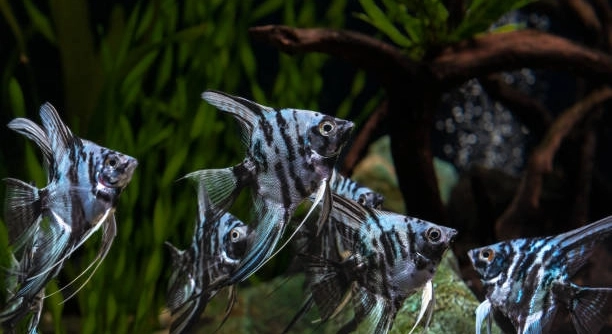
Angelfish are popular aquarium fish, admired for their beauty and grace. However, it can be concerning when you notice white spots on their body. These spots can indicate several possible issues affecting their health.
White spots on your angelfish are commonly caused by diseases like Ich or external parasites, but they can also be linked to stress, poor water quality, or even improper tank conditions. Identifying the exact cause is crucial for effective treatment.
Understanding the different factors that can cause these spots will help you address the issue quickly and keep your angelfish healthy. Let’s explore the possible causes and how you can provide the best care for them.
Poor Water Quality
Water quality is a critical factor for the health of any fish, and angelfish are no exception. When the water becomes too dirty or unstable, it can stress your fish, leading to various health issues, including the appearance of white spots. Contaminants like ammonia, nitrites, and high levels of nitrates can weaken your angelfish’s immune system, making them more susceptible to parasites and infections.
Regular water changes, maintaining proper filtration, and testing your water parameters are essential to ensure a healthy environment for your angelfish. If the water quality isn’t up to standard, these issues can quickly escalate.
It’s important to monitor the temperature as well, as sudden fluctuations in heat can stress your fish. Keeping the tank at a stable temperature and checking the pH and hardness of the water can prevent many problems, including the appearance of white spots. A well-maintained aquarium reduces the likelihood of disease and promotes the overall well-being of your fish.
Ich (White Spot Disease)
Ich, also known as white spot disease, is one of the most common causes of white spots on angelfish. This parasitic infection is caused by Ichthyophthirius multifiliis and is highly contagious. It appears as tiny white cysts on the fish’s body, gills, and fins. If untreated, Ich can spread rapidly and cause significant damage to your fish.
The best way to treat Ich is by raising the water temperature slightly and adding medications specifically designed for parasitic infections. You should also increase the frequency of water changes to remove parasites from the tank. Be sure to quarantine any affected fish to prevent the spread of the disease.
Prevention is key when dealing with Ich. Keep your tank clean, avoid overcrowding, and quarantine new fish before adding them to the tank. These steps will help reduce the likelihood of an outbreak.
Stress
Stress is another factor that could be contributing to the white spots on your angelfish. Angelfish are sensitive creatures, and any sudden change in their environment can cause them significant stress. This could include a change in water parameters, the introduction of new tankmates, or too much noise and movement around the tank.
When stressed, angelfish’s immune systems weaken, making them more prone to illnesses like Ich. Additionally, they may start exhibiting other behaviors like hiding or refusing to eat. It’s important to create a peaceful environment for your angelfish, with stable water conditions and minimal disturbances.
Try to observe the fish for any signs of stress. Is the tank too noisy? Are they constantly hiding or showing signs of aggression from other fish? Solving these issues could improve their health and reduce the white spots.
Parasites
Parasites are one of the leading causes of white spots on fish, and they can be hard to notice at first. These tiny invaders often attach themselves to the skin or gills of the fish, causing irritation and leading to the appearance of white lesions. In addition to Ich, other parasites like Costia and Trichodina can also affect your angelfish.
Treatment usually involves adding anti-parasitic medications to the tank, but it’s important to identify the specific parasite to choose the right remedy. Keep in mind that some parasites can be resistant to certain treatments, so using the correct medication is crucial.
In addition to medication, improving the overall health of your tank can help control parasites. Clean your aquarium regularly, remove uneaten food, and ensure your fish have a balanced diet to boost their immune systems. This reduces the risk of parasitic infestations and helps your fish recover faster if they become infected.
Overcrowded Tank
An overcrowded tank can cause many problems for your angelfish, including stress and poor water quality. When there are too many fish in a tank, waste builds up quickly, and there’s less space for each fish to swim freely. This can lead to a weakened immune system, making them more vulnerable to diseases like Ich.
Angelfish need space to thrive. The recommended tank size for a small group of angelfish is at least 20 gallons. When a tank is overcrowded, they’re often stressed, which can lead to behaviors like aggression or hiding. These stress factors can contribute to the appearance of white spots on their bodies.
The solution is to ensure your fish have enough space to swim comfortably. If necessary, separate fish into different tanks, especially if your aquarium is becoming too crowded. Regular water changes and good filtration will help keep water quality in check. A spacious environment leads to healthier, happier fish.
Poor Diet
A poor diet can affect your angelfish’s overall health and make them more prone to infections like white spots. Angelfish are omnivores and need a variety of foods to stay healthy, including high-quality flakes, pellets, and live or frozen food. Without proper nutrition, their immune systems may weaken, and they’ll become more susceptible to parasites and diseases.
Feeding your angelfish a balanced diet helps maintain their immune system and keep them strong against common diseases. It’s important to provide different food types to ensure they get all the necessary vitamins and minerals. Overfeeding or feeding the wrong food, like too much processed food, can lead to poor health.
Rotate their meals to offer a mix of protein and vegetable-based foods. You can supplement their diet with live foods like brine shrimp or daphnia. Keep track of feeding amounts to avoid overfeeding, which can lead to water quality issues. Healthy fish are better at fighting off diseases like Ich.
Incompatible Tank Mates
Incompatible tank mates can cause stress for your angelfish, which can result in white spots appearing on their bodies. Aggressive or territorial fish can harass your angelfish, weakening their immune system and leaving them vulnerable to diseases like Ich. It’s important to choose tank mates that are peaceful and share similar water requirements.
If you notice signs of aggression, such as chasing or fin nipping, it’s time to separate the fish. Having fish with similar temperaments can create a more peaceful environment, reducing stress for your angelfish. This will help improve their overall health and reduce the likelihood of white spots.
Poor Tank Maintenance
Neglecting tank maintenance can lead to poor water quality, which stresses your angelfish. This can cause skin issues like white spots. Regular cleaning of the tank, water changes, and checking the filtration system are essential to keep the water conditions stable and safe for your fish.
Weak Immune System
A weak immune system can make your angelfish more susceptible to diseases like Ich. Factors such as stress, poor water quality, and a bad diet can all contribute to a weakened immune response. This can make it difficult for your fish to fight off infections, leading to visible signs like white spots.
FAQ
Why are my angelfish developing white spots on their fins?
White spots on the fins of angelfish are most commonly a sign of Ich (white spot disease). This parasitic infection causes small white cysts to appear on the skin and fins. It’s contagious and spreads quickly if not treated. To treat Ich, raise the water temperature slightly and add a medication specifically designed for the disease. Be sure to quarantine any infected fish and perform regular water changes to keep the environment clean.
Can stress cause white spots on angelfish?
Yes, stress can lead to white spots on angelfish. When fish are stressed, their immune systems weaken, making them more vulnerable to parasites like Ich. Stress can be caused by factors such as poor water quality, overcrowding, incompatible tank mates, or environmental changes. Reducing stress is key to helping your fish recover, so address these factors by maintaining stable water conditions and a peaceful tank environment.
How can I treat white spots on my angelfish?
The best way to treat white spots is by first identifying the cause. If it’s Ich, you can increase the water temperature and add anti-parasitic medication. If you suspect other issues, such as poor water quality or stress, work on improving those aspects. In any case, separate any affected fish into quarantine to prevent the spread of infection. Consistent water changes and cleaning will help keep the tank healthy during treatment.
Are white spots on angelfish always caused by Ich?
No, white spots on angelfish aren’t always caused by Ich. Other possible causes include external parasites like Trichodina or Costia, poor water quality, or even skin injuries that can become infected. Each cause requires a different treatment approach. If Ich is not the issue, it’s important to observe the fish for other signs of illness or stress to identify the exact cause.
What’s the best way to prevent white spots from appearing on my angelfish?
To prevent white spots, focus on maintaining excellent water quality, minimizing stress, and avoiding overcrowding. Keep the water temperature stable and regularly test your tank’s parameters. Also, make sure to quarantine any new fish before introducing them to the main tank, as this will help prevent the spread of diseases like Ich. Proper tank maintenance and a balanced diet will strengthen your angelfish’s immune system, reducing their susceptibility to infections.
Can I treat white spots without removing my angelfish from the tank?
Yes, you can treat white spots without removing your angelfish from the tank, but it’s important to ensure that the treatment will not harm the other fish. Anti-parasitic medications are often safe to use in a community tank. However, raising the water temperature slightly can speed up the life cycle of the parasite, allowing the medication to work more effectively. If the infection is severe or spreading quickly, you may want to consider moving affected fish to a quarantine tank to prevent further contamination.
How often should I change the water to prevent white spots?
Changing the water regularly is essential for preventing white spots and other illnesses. For optimal water quality, perform a 20-30% water change every week. This helps to maintain stable water conditions and remove toxins that could stress your fish. During treatment for white spots, more frequent water changes (every 3-4 days) can help remove excess medications and waste, promoting faster recovery for your fish.
Can I use salt to treat white spots on angelfish?
Yes, salt can be used to treat white spots, especially in the early stages of Ich. A salt bath or adding aquarium salt directly to the tank can help reduce the number of parasites on your fish. However, be cautious with salt levels, as too much can harm your fish, especially if they are sensitive to it. Follow the instructions on the salt package carefully, and ensure the salt is fully dissolved before adding it to the tank.
Are some angelfish more susceptible to white spots than others?
Yes, some angelfish may be more susceptible to white spots depending on their immune system and overall health. Fish that are stressed, overcrowded, or not receiving proper care are at a higher risk of contracting Ich. Additionally, older or weaker fish may be more prone to infections. Maintaining a healthy environment, providing a balanced diet, and reducing stress can help lower the risk for all your fish.
Can white spots spread to other fish in the tank?
Yes, white spots can spread to other fish in the tank. Since Ich is highly contagious, it can quickly infect all fish that come in contact with an infected fish. To prevent this, quarantine any infected fish immediately, and treat the entire tank if necessary. Performing regular water changes and improving overall tank health will also help reduce the likelihood of the infection spreading.
Final Thoughts
White spots on your angelfish can be concerning, but with the right care and attention, they can usually be treated effectively. The most common cause of these spots is Ich, a parasitic infection that can spread quickly if not addressed. It’s important to act as soon as you notice the spots, as early treatment increases the chances of a full recovery. Many other factors, such as stress, poor water quality, overcrowding, and an inadequate diet, can also contribute to the appearance of white spots. By addressing the underlying causes, you can help your fish stay healthy and avoid future outbreaks.
Maintaining a stable and healthy environment is the key to preventing issues like white spots in the first place. Regular water changes, proper filtration, and checking the water parameters frequently are essential practices. Reducing stress in your aquarium by keeping compatible tank mates, providing enough space, and maintaining a balanced diet for your angelfish can go a long way in supporting their overall health. A clean, stable tank will not only help your angelfish thrive but also prevent many common diseases, including the ones that cause white spots.
If your angelfish develops white spots, take action quickly. This includes treating any infections, improving water quality, and reducing stress factors. Keeping a close eye on the behavior of your fish and responding to any signs of illness early on can make a big difference. With patience, the right care, and a well-maintained tank, your angelfish can recover and continue to live a healthy life. The key is to stay proactive and ensure that your tank remains a safe, comfortable space for your fish.

Hello,
If you enjoy the content that we create, please consider saying a "Thank You!" by leaving a tip.
Every little bit helps us continue crafting quality advice that supports the health, happiness, and well-being of pets around the world, for pets of all shapes, sizes, and species.
We really appreciate the kindness and support that you show us!