
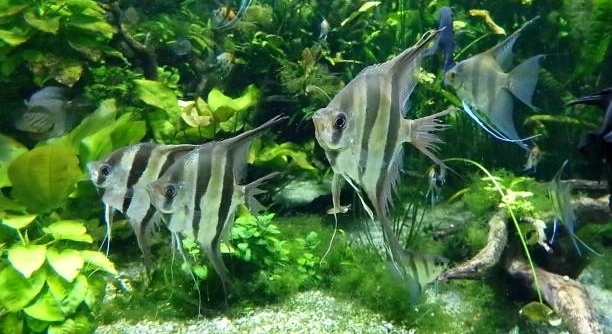
Angelfish are beautiful and peaceful creatures that bring life to any aquarium. However, if your angelfish is shaking or trembling, it can be concerning. Understanding why this behavior happens can help ensure your fish stays healthy.
Shaking in angelfish is often caused by various factors, including stress, poor water conditions, illness, or even the fish’s natural behavior during mating. Identifying the root cause is important to prevent further complications and to maintain your angelfish’s well-being.
Knowing why your angelfish is shaking can help you address any underlying issues. Proper care, such as maintaining water quality and monitoring your fish’s health, is crucial for their overall happiness.
Stress or Anxiety in Angelfish
Angelfish can become stressed for many reasons, and shaking is often a sign that something is wrong. Stress might be caused by sudden changes in their environment, overcrowding, or aggressive tankmates. When angelfish feel threatened or uneasy, they may show visible signs such as trembling or shaking. These fish are sensitive to changes in water temperature, water quality, or lighting. If any of these factors are off, your angelfish may shake in response.
Water quality is one of the most important factors to check when your fish is shaking. Poor water conditions, including high ammonia or nitrate levels, can stress your angelfish and cause unusual behavior. It’s essential to monitor these levels regularly.
To ease your angelfish’s stress, try providing a calm and stable environment. Avoid sudden changes in water conditions, and make sure your fish has enough space. By maintaining a consistent routine, you can help reduce stress and keep your angelfish comfortable in its tank.
Poor Water Conditions
Angelfish are sensitive to water quality. If the water is too polluted or the pH levels are too high or low, shaking can occur. Regular water changes are necessary to keep things in balance.
In poor water conditions, angelfish may show signs of distress, including shaking. If the water has high levels of ammonia, nitrites, or nitrates, your angelfish could develop issues that affect its behavior. Keeping water clean by performing weekly water changes and using filtration systems will help maintain healthy tank conditions. Also, monitoring temperature levels can prevent sudden drops or spikes that can cause discomfort for the fish.
To improve the water conditions, test the water regularly with a kit to check for harmful substances. Keep the temperature stable and adjust it if necessary. Proper filtration, combined with regular cleaning, can create a much healthier environment for your angelfish and minimize any shaking or other signs of distress.
Illness or Disease
Shaking can also be a sign that your angelfish is sick. Fish can get various diseases that affect their behavior. Parasites, bacterial infections, or fungal growth can lead to trembling or shaking. It’s important to look for other symptoms, such as cloudy eyes or white spots.
If you notice shaking combined with other signs of illness, like a loss of appetite or lethargy, you should act quickly. Quarantine the sick fish if necessary and treat the tank with appropriate medication. It’s a good idea to consult with a veterinarian who specializes in fish if you’re unsure of the best treatment for the condition.
Pay attention to how your fish behaves in the days following treatment. If the shaking continues, it could indicate that the illness is more severe or not improving. Keeping the water quality high and providing good nutrition will help your angelfish recover faster from any illness.
Mating Behavior
Shaking can sometimes be a natural part of the mating process. During courtship, male angelfish may shake or twitch to attract a mate. This behavior is often seen in pairs. It’s a sign that the fish are getting ready to spawn.
When your angelfish shake while in the presence of another fish, it could be part of their mating ritual. The male will often shake or vibrate in front of the female as part of their courtship. This is usually harmless and a sign that the fish are healthy and ready to reproduce.
However, not all shaking is related to mating. It’s essential to ensure that the shaking is not paired with other signs of stress or illness. If it is, you should check for water quality issues or tankmate aggression.
Water Temperature
Angelfish are sensitive to temperature changes. If the water is too cold or too hot, it can cause them to shake. They prefer a stable temperature between 76-82°F (24-28°C). Sudden fluctuations can put stress on your fish.
Ensure that your tank has a reliable heater to maintain a consistent temperature. Avoid placing your aquarium near windows or vents, as this can cause the temperature to drop or rise unexpectedly. A thermometer placed in the tank will help you keep track of any sudden temperature shifts that could be affecting your fish.
If the temperature is too extreme, your angelfish may experience stress, which can lead to shaking. Gradually adjusting the water temperature to the correct range should help stabilize your fish’s behavior.
Tankmates
Aggressive tankmates can stress your angelfish, causing them to shake. Angelfish are generally peaceful, but they may become anxious around more aggressive fish. This stress can lead to visible shaking.
If your angelfish is being chased or bullied by other fish, it could start shaking. In such cases, you might need to rearrange the tank or move the more aggressive fish. Creating hiding spaces with plants or decorations can help your angelfish feel safe and reduce stress.
Overcrowding
Overcrowding can lead to discomfort for your angelfish, resulting in shaking. Too many fish in a small tank can increase stress levels.
A tank that’s too crowded will cause angelfish to feel confined and unable to move freely. This stress can lead to erratic movements like shaking. Make sure your aquarium is the right size for the number of fish you have and ensure that there is enough space for everyone to swim comfortably.
FAQ
Why is my angelfish shaking suddenly?
If your angelfish is shaking suddenly, it could be due to sudden changes in the tank environment. These fish are sensitive to fluctuations in water quality, temperature, or stress caused by tankmates. Shaking can also indicate that your fish is sick or anxious. It’s important to check the water conditions first. If the water parameters are stable, look for signs of illness or aggression from other fish. Once you identify the cause, take steps to address the issue, such as adjusting the water temperature or treating for any potential illness.
Can shaking be a sign of a serious illness in angelfish?
Yes, shaking can sometimes be a sign of a serious illness in angelfish. Infections, parasites, or diseases like white spot disease or fin rot can cause trembling. If shaking is accompanied by other symptoms like cloudy eyes, lesions, or changes in behavior (such as loss of appetite or lethargy), it’s best to quarantine your angelfish and start treating it immediately. Consult with a vet if you’re unsure about the illness, as early treatment is critical for the health of your fish.
How can I tell if my angelfish is stressed?
In addition to shaking, signs of stress in angelfish include rapid gill movement, darting around the tank, hiding, or changes in swimming patterns. Stress can also cause fish to stop eating or appear lethargic. Factors like overcrowding, aggressive tankmates, poor water quality, or sudden changes in the environment can contribute to stress. Keep an eye on the behavior of your angelfish and monitor the tank for any issues that might be causing it.
Could aggressive tankmates cause shaking in my angelfish?
Yes, aggressive tankmates can certainly cause shaking in your angelfish. Angelfish are peaceful by nature, but they can become stressed or frightened if kept with aggressive fish. This stress can manifest in physical shaking or hiding. If your angelfish is being bullied, it’s best to either move the aggressive fish or rearrange the tank to create more hiding spaces. This gives your angelfish a chance to feel safe and secure, reducing the stress.
What is the ideal water temperature for angelfish?
Angelfish thrive in water temperatures between 76°F and 82°F (24°C to 28°C). Water that’s too cold or too hot can lead to stress and potentially cause shaking. It’s important to monitor the temperature with a thermometer and use a reliable heater to maintain a stable environment. Temperature fluctuations can weaken your fish’s immune system and make them more susceptible to diseases, so consistency is key.
Why is my angelfish shaking when it’s mating?
Shaking can be part of the mating ritual for angelfish. Male angelfish often shake or twitch as part of their courtship behavior when trying to attract a female. This type of shaking is usually harmless and indicates that the fish are preparing to spawn. However, if the shaking is excessive or accompanied by other unusual signs, it’s worth monitoring the behavior to rule out stress or illness.
Can poor water conditions cause my angelfish to shake?
Yes, poor water conditions are one of the most common causes of shaking in angelfish. Ammonia, nitrites, and high levels of nitrates can stress the fish, leading to shaking or other abnormal behaviors. It’s important to maintain good water quality by performing regular water changes and using a proper filtration system. Check the water parameters regularly to ensure the pH, ammonia, and nitrate levels are within safe ranges for your angelfish.
Is overcrowding a problem for my angelfish?
Yes, overcrowding can definitely cause stress for your angelfish and lead to shaking. When there are too many fish in a tank, the available space becomes limited, and the fish may not have enough room to swim freely. Overcrowding can lead to poor water quality and increased competition for food, all of which contribute to stress. Make sure to provide enough space for your angelfish by following the recommended stocking guidelines for your tank size.
Can I reduce shaking by adding plants to the tank?
Yes, adding plants can help reduce stress and shaking in angelfish. Plants provide hiding spots and create a more natural environment, which can help your angelfish feel more secure. They also help maintain water quality by absorbing excess nutrients and providing oxygen. Live plants can improve the overall health of the tank, which in turn benefits the fish by reducing stress.
What should I do if my angelfish continues to shake?
If your angelfish continues to shake despite making changes to its environment, it’s important to reassess the situation. Check for any signs of illness, such as lesions, discoloration, or unusual behavior. If you suspect a disease, isolate the affected fish and begin treatment immediately. You may also want to consider adjusting the water temperature, improving filtration, or removing any aggressive tankmates. If the shaking persists, seeking professional advice from a veterinarian or experienced aquarist can help identify and resolve the issue.
Final Thoughts
Shaking in angelfish can be a sign of various issues, from stress and illness to natural behaviors like mating. It’s important to carefully observe your fish and consider all possible causes. By paying attention to their environment, you can help identify the root of the problem and address it effectively. Regular tank maintenance, including checking water quality, monitoring temperature, and observing interactions between tankmates, plays a big role in keeping your angelfish healthy and comfortable.
While some shaking may be harmless, especially if it’s related to mating or a temporary stressor, ongoing shaking is usually a sign that something needs attention. If your angelfish is showing other signs of distress, such as lethargy, loss of appetite, or changes in swimming patterns, it’s important to take action right away. Consulting with an aquarium professional or vet can help ensure your fish receives the proper care and treatment if needed.
Ultimately, maintaining a stable and peaceful tank environment is key to preventing stress-related shaking in your angelfish. Ensuring the right water conditions, appropriate tankmates, and a consistent temperature range will help your angelfish thrive. If you notice shaking, take a moment to assess the situation and make any necessary adjustments. By keeping your fish’s environment stable and healthy, you can reduce stress and promote long-term well-being.

Hello,
If you enjoy the content that we create, please consider saying a "Thank You!" by leaving a tip.
Every little bit helps us continue crafting quality advice that supports the health, happiness, and well-being of pets around the world, for pets of all shapes, sizes, and species.
We really appreciate the kindness and support that you show us!