
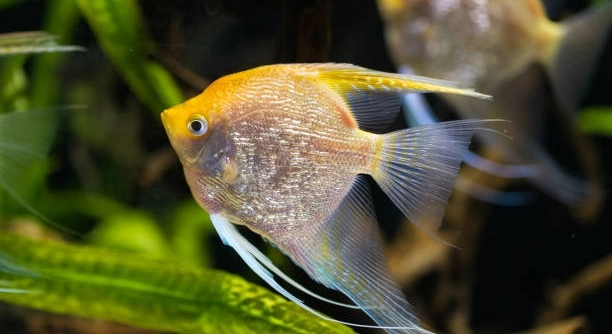
If you’ve noticed your angelfish isn’t as active as it once was, you’re likely wondering what might be going on. A sudden change in behavior can be concerning, but it’s essential to understand the possible causes.
Several factors could explain your angelfish’s decrease in activity. These include changes in water quality, water temperature fluctuations, poor diet, illness, stress, overcrowded tanks, or the presence of tankmates that may intimidate the fish.
Identifying the underlying cause will help you address the issue effectively, ensuring your angelfish’s well-being.
Changes in Water Quality
Water quality is crucial for your angelfish’s health. Poor water conditions can cause stress, leading to decreased activity. Factors like high levels of ammonia, nitrites, or nitrates, along with incorrect pH levels, can disrupt their environment. Regular water changes, proper filtration, and testing water parameters are essential.
To keep the water safe for your fish, test it at least once a week. Ensure ammonia and nitrite levels are at zero, and nitrates stay under 20 ppm. Also, keep the water temperature steady within the ideal range for angelfish (75-82°F). Poor water conditions can lead to lethargy and even health issues.
Investing in a high-quality filter and performing regular maintenance can help prevent water quality problems. The right water conditions will not only improve your fish’s activity level but also contribute to its overall well-being.
Water Temperature Fluctuations
Angelfish are sensitive to temperature changes. If the water is too cold or fluctuates frequently, your fish may become sluggish. Maintaining a stable water temperature is key to keeping them active.
Angelfish thrive in water temperatures between 75°F and 82°F. Using a reliable aquarium heater and thermometer ensures that the water remains consistent. Rapid temperature shifts can cause your angelfish to become stressed and inactive. It’s important to monitor temperature closely, especially if you live in an area with significant environmental temperature changes.
Poor Diet
A poor diet can significantly affect your angelfish’s activity. Lack of nutrients, including proteins, vitamins, and minerals, can cause them to become lethargic. It’s crucial to feed your angelfish a balanced, high-quality diet.
Angelfish require a variety of food sources to maintain optimal health. Offer a combination of high-quality flakes, pellets, and occasional frozen or live food like bloodworms or brine shrimp. Overfeeding should also be avoided, as it can pollute the water and cause digestive issues. A well-balanced diet will help keep your angelfish active and vibrant.
If your fish isn’t showing interest in its food, it may be a sign of an underlying health issue. Regularly monitor their eating habits, and ensure they are receiving adequate nutrition. A healthy diet directly impacts your fish’s energy and overall behavior.
Illness
Illness is a common reason for a decrease in activity. Angelfish, like all fish, are susceptible to various diseases such as Ich, Velvet, or fin rot. These conditions often result in lethargy, decreased appetite, and abnormal swimming behavior.
Pay attention to any changes in appearance or behavior, such as clamped fins, pale skin, or lesions. Early detection can make a big difference in treatment and recovery. If your angelfish shows signs of illness, it’s important to quarantine it from other tankmates and treat it promptly. A proper diagnosis from an experienced aquarium professional is crucial.
Maintaining a clean tank, providing proper water conditions, and managing stress are vital to keeping your angelfish healthy. Regularly observing your fish will help identify illness before it worsens, allowing for quicker intervention.
Stress
Stress is a significant factor in your angelfish’s lack of activity. Stress can stem from various sources such as sudden changes in the tank, overcrowding, or aggressive tankmates.
To reduce stress, ensure your tank has enough space for your fish to swim comfortably. Angelfish are peaceful but may become stressed if surrounded by overly aggressive species. Creating a calm, stable environment can prevent unnecessary stress and keep your fish active.
A stressed angelfish will often display erratic swimming patterns or hide in corners. Regular water changes, proper tank size, and careful consideration of tankmates will help reduce stress.
Overcrowded Tank
An overcrowded tank is another reason for decreased angelfish activity. If there are too many fish in a tank, it can lead to competition for space, food, and oxygen, which causes stress and lethargy.
Ensure your tank is large enough to accommodate the number of fish in it. Angelfish require at least 30 gallons of water for a small group. Overcrowding can also lead to poor water quality, further exacerbating the issue. Keeping the right number of fish will reduce stress and ensure a healthier environment for all inhabitants.
Tankmates
The presence of aggressive or territorial tankmates can affect your angelfish’s activity levels. Angelfish are generally peaceful, but aggressive fish may intimidate them, causing them to become more passive and withdrawn.
When choosing tankmates for your angelfish, select species that are similarly calm and non-aggressive. Fish like tetras, guppies, and mollies often work well with angelfish. Keep in mind that territorial behavior can lead to stress and inactivity. Observing interactions among tankmates and adjusting the group as needed will help create a peaceful and active environment for your fish.
FAQ
What is the ideal water temperature for angelfish?
Angelfish prefer water temperatures between 75°F and 82°F. Keeping the temperature in this range helps maintain their energy levels and overall health. Sudden temperature fluctuations can cause stress and affect their behavior. A reliable aquarium heater is essential to maintain a consistent temperature.
How often should I change the water in my angelfish tank?
Water changes should be done at least once a week. Changing 25-30% of the water helps maintain good water quality and reduces the buildup of harmful substances like ammonia, nitrites, and nitrates. If you have a larger tank or fewer fish, you may be able to stretch the intervals between water changes.
How can I tell if my angelfish is sick?
Sick angelfish may display symptoms such as lethargy, loss of appetite, pale skin, clamped fins, or abnormal swimming patterns. If your angelfish is exhibiting any of these signs, it’s important to monitor it closely and, if necessary, isolate it from other tankmates for treatment. Prompt action can prevent the spread of disease.
What should I feed my angelfish?
Angelfish need a balanced diet, which includes a combination of high-quality flake food, pellets, and live or frozen foods like brine shrimp and bloodworms. Offering variety ensures they receive the necessary nutrients. Avoid overfeeding, as it can lead to water quality issues and health problems.
Can angelfish live with other fish?
Yes, angelfish can live with other fish, but it’s important to choose peaceful tankmates. Avoid aggressive species or fish that are significantly larger or smaller. Tankmates like tetras, guppies, and mollies usually do well with angelfish. Always monitor interactions to ensure compatibility.
Why is my angelfish staying near the bottom of the tank?
Angelfish staying at the bottom of the tank may indicate stress, illness, or poor water quality. It’s important to check water parameters and ensure the environment is stable. If the behavior continues, closely observe for other signs of illness, such as clamped fins or lack of appetite.
How can I reduce stress in my angelfish?
To reduce stress, ensure your angelfish have enough space, stable water conditions, and peaceful tankmates. Avoid sudden changes to the tank environment and provide plenty of hiding places with plants or decorations. A calm tank will encourage your fish to be more active and comfortable.
Is it normal for angelfish to be less active during the night?
Yes, it’s completely normal for angelfish to be less active during the night. Like most fish, they follow a natural day-night cycle. They may rest or sleep during the dark hours, becoming more active once the light returns. If your angelfish is only less active at night, there’s no cause for concern.
How can I tell if my angelfish is being bullied by other fish?
If your angelfish is being bullied, it may exhibit signs like hiding, being chased, or having fin damage. Aggressive fish can cause your angelfish to become stressed and inactive. Monitor interactions and consider rearranging the tank or adding more hiding spots to help alleviate aggression.
What should I do if my angelfish stops eating?
If your angelfish stops eating, it could be a sign of illness, stress, or poor water quality. First, check water parameters and make sure the tank is clean. If water quality is fine, try offering different foods. If the lack of appetite persists, isolate the fish and consult a veterinarian.
Can I add more angelfish to my tank?
You can add more angelfish, but it’s important not to overcrowd the tank. Ensure the tank has enough space to accommodate additional fish. Angelfish are territorial, so make sure the environment allows for peaceful interactions. Keep in mind that adding new fish may cause temporary stress.
How can I tell if my angelfish is stressed?
Signs of stress in angelfish include hiding, erratic swimming, clamped fins, or changes in eating habits. Poor water quality, aggression from tankmates, and overcrowding are common stressors. Identifying stress early will help you make adjustments to restore balance in your tank and improve your angelfish’s activity.
Final Thoughts
Understanding why your angelfish might be less active can help you take the necessary steps to improve their health and well-being. The causes can range from water quality issues, poor diet, illness, stress, or even aggressive tankmates. By paying close attention to their environment and behavior, you can often identify the problem early and prevent it from worsening. Maintaining proper tank conditions, including the right temperature, clean water, and suitable tankmates, is essential for keeping your angelfish healthy and active.
It’s also important to remember that angelfish, like all animals, have individual needs and temperaments. Some may naturally be more active, while others may prefer a more quiet and calm environment. By offering a variety of foods, a stable habitat, and regular monitoring, you give your angelfish the best chance at staying healthy. Regularly checking water quality and adjusting as needed will go a long way in preventing many of the issues that lead to inactivity.
If your angelfish’s behavior doesn’t improve despite your efforts, it might be time to consult with a professional. Whether it’s a veterinarian or an experienced aquarist, getting expert advice can help you pinpoint the exact cause of your fish’s inactivity. In any case, taking care of your angelfish with patience and attention to detail will ensure they remain an active and vibrant part of your aquarium.

Hello,
If you enjoy the content that we create, please consider saying a "Thank You!" by leaving a tip.
Every little bit helps us continue crafting quality advice that supports the health, happiness, and well-being of pets around the world, for pets of all shapes, sizes, and species.
We really appreciate the kindness and support that you show us!