
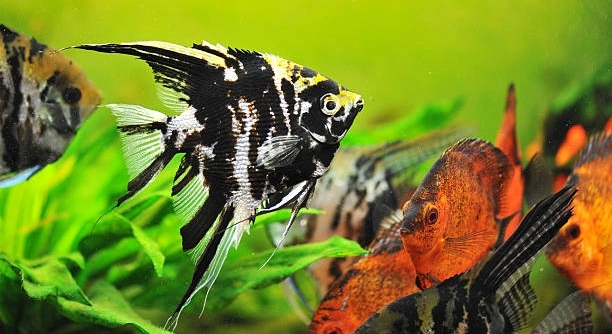
Angelfish are known for their graceful movements and beautiful colors. However, if your angelfish begins scraping against the tank walls, it may be a sign of a deeper issue. Understanding this behavior is key to solving it.
Scraping against tank walls is typically caused by irritation or discomfort. It can result from poor water quality, skin parasites, or stress. Addressing these factors will help prevent further discomfort and ensure your angelfish remains healthy.
Identifying the cause of this behavior will help you resolve the issue quickly and keep your angelfish in top condition.
Poor Water Quality
If the water in your tank is not clean, it can irritate your angelfish’s skin, making them scrape against the tank walls. This could be caused by high levels of ammonia, nitrites, or nitrates. These compounds are harmful and can stress fish. Regular water changes and a good filtration system are key to maintaining healthy water. A sudden drop in water temperature or incorrect pH levels can also cause discomfort. Make sure you test the water frequently to ensure everything stays within the safe range for angelfish.
Angelfish need water with a temperature between 76°F and 82°F. The pH should range from 6.5 to 7.5 for optimal health. It’s essential to keep the water clean and maintain the right parameters. Even small changes in the tank’s water conditions can cause irritation. Testing the water regularly and keeping up with tank maintenance helps prevent these issues.
Improper water conditions are one of the easiest issues to fix. Simply maintaining the tank’s cleanliness and monitoring parameters will often keep your fish comfortable and reduce behaviors like scraping.
Skin Parasites
Skin parasites, such as ich or velvet, are common causes of scraping behavior in fish. These microscopic organisms irritate the skin and cause angelfish to rub themselves against surfaces. If you notice spots or discoloration on the fish’s skin, this may indicate a parasite issue.
Parasites are often introduced to the tank when new fish are added, so it’s crucial to quarantine new arrivals before introducing them. Treatment usually involves adding medication specifically for the parasite type. You can also increase the temperature of the water slightly to speed up the life cycle of the parasites, making them easier to treat.
Skin parasites are a significant issue that can lead to further complications if not addressed quickly. Keeping your tank clean and practicing good quarantine procedures can prevent them from affecting your angelfish in the future.
Stress and Anxiety
Stress is a common reason for angelfish to scrape against tank walls. This can be caused by loud noises, sudden changes in the tank environment, or the presence of aggressive tankmates. Fish are sensitive to their surroundings, and any disruption can cause them anxiety.
To reduce stress, ensure the tank is in a quiet area with minimal disturbance. Avoid sudden changes in lighting or temperature. Angelfish should also be kept with peaceful species, as aggression from tankmates can make them feel threatened. If your angelfish is stressed, it may also hide or refuse to eat.
Offering hiding spots and creating a peaceful environment can help calm your fish. Stress can be alleviated by reducing disturbances and providing them with a comfortable, safe space. Over time, with proper care, your angelfish may stop the scraping behavior.
Water Temperature
If the water temperature in your tank fluctuates too much, it can cause your angelfish to feel uncomfortable. Angelfish prefer water between 76°F and 82°F. Temperatures outside of this range can lead to irritation and abnormal behaviors like scraping.
Use a reliable thermometer to check the water temperature regularly. If the water is too cold or hot, adjust the heater accordingly. Rapid temperature changes can also cause stress, so make sure to gradually adjust the temperature when necessary. Consistent and stable water temperatures are vital for the health of your fish.
Temperature fluctuations often go unnoticed, but they can impact your angelfish’s behavior. Keeping the temperature stable will not only prevent scraping but also support your angelfish’s overall health. Proper tank heating equipment will help maintain a comfortable environment.
Overcrowded Tank
An overcrowded tank can cause your angelfish to scrape against the walls. When there are too many fish in the tank, the water quality deteriorates, and the fish have limited space to swim. This can lead to stress and discomfort.
To avoid overcrowding, follow the recommended stocking guidelines for your tank size. If the tank is too crowded, perform more frequent water changes and consider adding a larger tank or removing some fish. Overcrowding not only stresses fish but also increases the risk of disease transmission.
Angelfish need space to thrive. Providing ample swimming room and maintaining proper stocking levels will help reduce stress and scraping behavior.
Poor Tank Maintenance
Inadequate tank maintenance can contribute to scraping behavior. If algae, debris, or waste accumulates, the water quality drops, making your angelfish uncomfortable. Cleaning your tank regularly is essential to maintaining a healthy environment.
To keep your tank in good condition, change the water regularly and remove excess waste and algae. Regularly clean the substrate and any decorations. A clean tank reduces the risk of skin irritation, which can cause your angelfish to scrape against surfaces.
Consistent maintenance ensures your angelfish remain healthy and happy, preventing discomfort and abnormal behaviors like scraping.
Aggressive Tankmates
Aggressive fish can make your angelfish feel threatened, leading to scraping and other stressed behaviors. Aggressive fish might chase or nip at your angelfish, which can cause physical and mental distress.
If you notice signs of aggression, consider rearranging the tank or removing the aggressive fish. Ensuring all your tankmates are compatible with angelfish can help create a peaceful environment. Angelfish are peaceful, so they thrive when surrounded by other calm species.
The right tankmates are crucial to maintaining harmony in your aquarium. Peaceful companions will reduce stress and prevent behaviors like scraping.
FAQ
Why is my angelfish scraping against the tank walls?
Scraping behavior in angelfish can indicate several issues, including poor water quality, skin parasites, stress, or overcrowding. When the water conditions are not ideal, angelfish may feel irritated or uncomfortable. Scraping can also happen if the fish is stressed due to aggressive tankmates or changes in the tank environment. Monitoring water quality, ensuring proper tank maintenance, and observing the behavior of other fish in the tank can help identify the cause.
How can I stop my angelfish from scraping the walls?
To stop your angelfish from scraping, start by checking the water quality. Make sure ammonia, nitrites, and nitrates are within safe limits. Regular water changes, proper filtration, and a stable temperature range (76°F to 82°F) will help keep the water conditions ideal. If the issue persists, look for signs of skin parasites and treat them accordingly. Reducing stress by providing a calm environment with peaceful tankmates is also essential.
How do I check the water quality for my angelfish?
You can check the water quality by using aquarium test kits. These kits can measure ammonia, nitrites, nitrates, pH, and hardness. Regularly testing the water ensures the levels stay within the safe range. A good filtration system is also essential for maintaining clean water. Testing the water once a week is ideal, especially if you’re dealing with fish that are showing signs of distress.
What are the signs of skin parasites in angelfish?
Skin parasites, like ich or velvet, can cause your angelfish to scrape against surfaces. Symptoms include white spots on the skin, abnormal swimming patterns, scratching behavior, or dull coloration. If you notice any of these signs, it’s important to treat the tank with medication specific for the parasite. Additionally, removing infected fish and placing them in a quarantine tank can help prevent the spread to other tankmates.
Can stress cause my angelfish to scrape?
Yes, stress is a common cause of scraping behavior in angelfish. Stress can come from loud noises, sudden changes in the environment, overcrowding, or the presence of aggressive tankmates. Providing a peaceful environment with plenty of hiding spots and avoiding sudden changes in the tank will help reduce stress. Keeping the tank in a quiet area and ensuring your angelfish feel safe will help prevent stress-related behaviors like scraping.
How do I reduce stress for my angelfish?
To reduce stress, make sure your angelfish are kept in a peaceful tank with non-aggressive tankmates. Avoid sudden temperature or lighting changes, as this can upset the fish. Additionally, give them enough space to swim and include hiding spots like plants or rocks. A stable environment is key for your angelfish to feel comfortable. Overcrowding should be avoided, as it increases stress and decreases water quality.
What should I do if my angelfish has aggressive tankmates?
If your angelfish is being harassed by aggressive tankmates, it’s important to separate them as soon as possible. Aggressive fish can stress out your angelfish and cause physical harm. Rearranging the tank layout can help reduce territorial behavior among fish. If necessary, relocate the aggressive fish to a different tank to restore peace. Additionally, choosing peaceful species that are compatible with angelfish will create a better environment for everyone in the tank.
Is it safe to treat my angelfish with medication for parasites?
Yes, it is generally safe to treat your angelfish with medication for skin parasites, as long as you follow the instructions carefully. Different types of parasites require different treatments, so it’s important to identify the parasite before applying any medication. Some medications may affect the tank’s water parameters, so be sure to monitor the water quality closely during treatment. Quarantining infected fish in a separate tank can prevent the spread of parasites to healthy fish. Always research the medication you’re using to ensure it’s safe for angelfish.
How often should I clean my angelfish tank?
You should clean your angelfish tank at least once a week. This includes performing partial water changes, cleaning the substrate, and removing any excess algae or debris. A good rule of thumb is to change about 25-30% of the water each week to maintain good water quality. Regular cleaning prevents the build-up of harmful toxins like ammonia and nitrates, which can cause stress and health issues for your angelfish.
How can I prevent my angelfish from getting skin parasites?
To prevent skin parasites, practice good quarantine procedures when introducing new fish. Always quarantine new arrivals for at least two weeks before adding them to the main tank. This helps prevent the introduction of diseases. Additionally, maintain excellent water quality and keep the tank environment stable. Avoid overcrowding and stress, as these factors can make angelfish more vulnerable to infections. Regularly monitor your fish for signs of illness and treat them promptly if any issues arise.
What is the ideal tank size for angelfish?
Angelfish need a tank that provides enough space for swimming and avoids overcrowding. The minimum recommended tank size for a pair of angelfish is 30 gallons, with an additional 10-15 gallons for each extra angelfish. A larger tank gives your fish room to grow and move freely. A properly sized tank also helps maintain water quality by providing a larger volume of water, which can dilute toxins and improve the overall health of your angelfish.
Can I keep angelfish with other species?
Yes, you can keep angelfish with other species, but it’s essential to choose compatible tankmates. Angelfish are peaceful but can be territorial, so they should be housed with non-aggressive fish that do not compete for food or space. Avoid keeping them with fin-nipping species or overly aggressive fish, as this can cause stress and damage to your angelfish. Good tankmates include peaceful fish like tetras, corydoras, and other medium-sized community species.
Final Thoughts
When your angelfish starts scraping against the tank walls, it can be concerning, but it’s often a sign that something in the tank environment is not quite right. Whether it’s poor water quality, stress from aggressive tankmates, or an underlying health issue like skin parasites, it’s important to take action. Identifying the cause of the scraping is the first step to resolving the problem and ensuring your angelfish stays healthy. Regular tank maintenance, keeping the water clean, and making sure your fish feel safe and comfortable are key factors in preventing these behaviors.
It’s also important to pay attention to your angelfish’s overall environment. Overcrowding is another common issue that can lead to scraping, as your fish might not have enough space to swim freely. If the tank is too crowded, the water quality can quickly decline, which stresses out your fish. Ensuring your tank is properly sized for the number of fish you have will help reduce stress and the chances of scraping behavior. Keeping peaceful tankmates that won’t disturb your angelfish can also help prevent stress-related behaviors.
In addition to maintaining a proper tank environment, always monitor your angelfish for signs of illness. Skin parasites, like ich, can cause irritation that leads to scraping against tank surfaces. If you notice any unusual spots or behaviors, it’s important to treat the tank promptly with the right medications. Regular water testing, observing your fish closely, and keeping their living conditions stable are all important steps to keeping your angelfish healthy. By understanding and addressing the causes of scraping behavior, you can ensure a happy and thriving tank.

Hello,
If you enjoy the content that we create, please consider saying a "Thank You!" by leaving a tip.
Every little bit helps us continue crafting quality advice that supports the health, happiness, and well-being of pets around the world, for pets of all shapes, sizes, and species.
We really appreciate the kindness and support that you show us!