
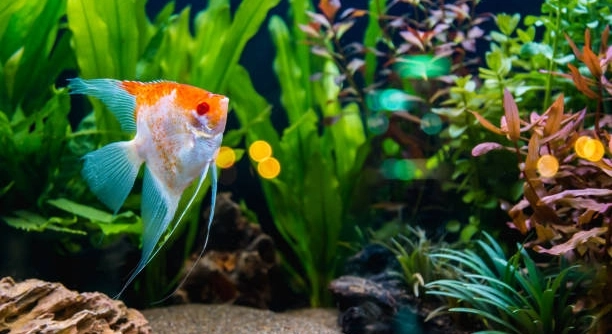
Angelfish are graceful and beautiful creatures, often a favorite in home aquariums. However, if you’ve noticed your angelfish rubbing against objects, it can be concerning. Understanding the reasons behind this behavior is important for their health and well-being.
Rubbing against objects may indicate various issues such as parasites, poor water quality, or physical injury. It’s important to observe other behaviors and symptoms to determine the cause and take appropriate action.
Several factors may be at play when an angelfish exhibits this behavior. In the following sections, we’ll explore the possible causes and what steps you can take to help your fish.
1. Poor Water Quality
If your angelfish are rubbing against objects, one of the most common reasons is poor water quality. Angelfish are sensitive to changes in their environment, and low water quality can stress them out, causing them to rub against surfaces. High levels of ammonia, nitrites, and nitrates can irritate their skin and gills, leading to discomfort.
To avoid this, it’s essential to keep up with regular water changes and maintain proper filtration. Test the water regularly to ensure the levels of harmful substances are within a safe range. Poor water quality is also linked to a lack of oxygen, which can cause fish to behave oddly, like rubbing.
Keeping a stable environment is crucial for your fish’s health. When the water conditions are right, your angelfish will thrive, and this rubbing behavior will likely stop. Ensure the water temperature is also stable, as fluctuations can further contribute to stress and irritation.
2. External Parasites
External parasites are another potential reason for your angelfish rubbing against objects. These parasites, such as ich or velvet, cause irritation to the fish’s skin. The tiny organisms attach to the fish and can lead to constant scratching, as the angelfish tries to get rid of the discomfort.
Treatment options are available for these external parasites, including medicated fish baths or chemicals that can be added to the aquarium. If you suspect your angelfish is suffering from parasites, it’s best to act quickly. If left untreated, parasites can weaken your fish and lead to further health problems.
Maintaining a clean tank, quarantining new fish, and ensuring your fish are not stressed can help prevent future parasite outbreaks. Always monitor your fish for any other signs of illness or abnormal behavior and be prepared to treat them promptly. By staying on top of this, you can keep your angelfish healthy and happy.
3. Fungal Infections
Fungal infections are another reason your angelfish might rub against objects. These infections can cause sores or lesions on the fish’s skin, making it uncomfortable. Angelfish may try to alleviate the irritation by rubbing themselves against hard surfaces.
Fungal infections often arise when the water quality is poor or if the fish has a weakened immune system. If untreated, these infections can spread quickly, causing more damage to your fish. The fungus can appear as cotton-like growths on the skin or gills.
To treat fungal infections, it’s important to remove the infected fish and isolate it in a separate tank if possible. Apply a suitable antifungal treatment to the tank and the affected fish. Regular water changes and improving overall water quality will help prevent future infections.
4. Physical Injury
Physical injuries are a common cause for rubbing behavior in angelfish. These injuries can happen if the fish bumps into objects, fights with tankmates, or even suffers from aggression during feeding. The wounds or bruises can cause irritation, prompting the fish to rub against surfaces to relieve discomfort.
It’s important to inspect your angelfish closely for visible signs of injury, such as cuts, swelling, or abnormal spots. Sometimes, these injuries may not be immediately obvious, so watch for behavior changes, like rubbing or lethargy. If an injury is present, quarantine the fish to reduce the risk of further harm.
To prevent injuries, ensure that tank decorations and objects are smooth and free from sharp edges. Keeping tankmates compatible and reducing overcrowding can also help reduce the risk of fighting. By maintaining a peaceful environment, you can keep your fish injury-free and happy.
5. High Stress Levels
Stress is another common factor that leads to rubbing behavior. Angelfish can become stressed due to poor water quality, overcrowding, sudden changes in temperature, or aggressive tankmates. The constant stress can cause them to scratch against surfaces in an attempt to relieve the discomfort.
To reduce stress, provide a stable environment with consistent water parameters, avoid overcrowding, and introduce tankmates carefully. A peaceful, calm atmosphere is crucial for your angelfish’s health and well-being. By reducing stress, you’ll help keep them from rubbing against objects and improve their overall behavior.
6. Poor Diet
A poor diet can also contribute to rubbing behavior. Angelfish need a balanced diet to stay healthy, and an inadequate diet can weaken their immune system. A lack of nutrients can make them more vulnerable to skin infections, parasites, and other health issues that cause them to rub.
Make sure to feed your angelfish a variety of high-quality foods, such as flakes, pellets, and live or frozen foods. This ensures they get all the essential vitamins and minerals needed for their health. A well-fed angelfish will have a stronger immune system and be less likely to develop skin problems.
7. Aggressive Tankmates
Aggressive tankmates can cause your angelfish to rub against objects. Angelfish are generally peaceful, but they can be harassed by more dominant or territorial fish. This harassment can lead to stress and rubbing as they try to escape or relieve irritation.
To prevent this, choose tankmates that are peaceful and have similar care requirements. Avoid placing aggressive fish like cichlids or large, fast-moving species in the same tank. A well-balanced tank with compatible fish will keep your angelfish calm and reduce the risk of rubbing behavior.
FAQ
Why does my angelfish rub against the glass?
Rubbing against the glass is typically a sign that your angelfish is experiencing discomfort. This behavior is often caused by skin irritation, which may stem from external parasites, poor water quality, or fungal infections. If your fish is rubbing against the glass frequently, it’s essential to inspect the tank and water conditions closely. Testing the water for ammonia, nitrites, and nitrates can help determine if the water quality is the problem. If the water is clean, consider checking for visible parasites or signs of infection. Rubbing could also be caused by stress from aggressive tankmates or poor diet.
Can angelfish rub against objects due to a dirty tank?
Yes, a dirty tank can certainly cause your angelfish to rub against objects. Poor water quality, like high ammonia or nitrite levels, can irritate their skin and gills, making them more prone to rubbing. When the water becomes dirty or polluted, it stresses fish and can lead to various health issues, including skin infections. Regular water changes and cleaning the tank are crucial for keeping the environment healthy. It’s important to also keep the filtration system working well and test the water regularly to avoid these issues.
How can I tell if my angelfish has a parasite?
If your angelfish is rubbing against objects and you suspect parasites, look for other signs. External parasites often appear as small white dots (like ich), or a goldish coating (like velvet), that can be seen on the fish’s body and fins. Parasites often cause itching, which is why rubbing against surfaces is common. You might also notice your fish swimming erratically or hiding more often. If these symptoms appear, it’s important to quarantine the affected fish and start treating with an appropriate medication for parasites. Acting quickly is crucial to prevent further damage to the fish and tank.
Should I treat my angelfish for fungal infections?
If you notice signs of a fungal infection, such as cotton-like growths on your angelfish’s skin, it’s important to treat it promptly. Fungal infections are caused by various types of fungi that infect fish when their immune systems are weakened, often due to poor water conditions. Treatment typically involves antifungal medications, which can be added to the aquarium or used in a separate quarantine tank. Clean the tank thoroughly, perform water changes, and improve overall water quality to help prevent the infection from returning.
Can angelfish rubbing indicate physical injury?
Yes, rubbing against objects can indicate physical injury. If your angelfish has been in a tank with sharp decorations, has had a run-in with other aggressive fish, or has suffered any form of impact, they may rub against objects to relieve the pain. Injuries may not always be visible immediately but look for signs like swelling, bruising, or open wounds. Quarantine the injured fish to prevent infection and provide a calm, clean environment to help them heal. It’s also wise to remove or adjust any tank decor that could cause injury.
How do I prevent my angelfish from rubbing against objects?
To prevent rubbing behavior in angelfish, start by ensuring your tank’s water quality is excellent. Regular water changes and monitoring ammonia, nitrite, and nitrate levels are essential for preventing skin irritation. Also, check the tank for sharp decorations and remove any potentially dangerous items. Keep your angelfish in a peaceful tank with compatible tankmates and provide a balanced diet to strengthen their immune system. If rubbing is caused by parasites, fungi, or injury, address these issues immediately by treating the tank or isolating the affected fish.
What should I do if my angelfish is stressed?
Stress is a common cause of rubbing behavior in angelfish. If your fish is stressed, first evaluate the tank environment. Ensure there are no aggressive tankmates, and that the water conditions are stable. Angelfish are also sensitive to sudden changes in temperature, so keep the water temperature within the appropriate range. Overcrowding is another stress factor, so ensure your tank isn’t too crowded and the fish have enough space. Additionally, reducing noise and avoiding sudden movements around the tank can help keep your angelfish calm.
Can poor diet cause rubbing in angelfish?
Yes, poor diet can weaken an angelfish’s immune system, making them more susceptible to infections and parasites, which could lead to rubbing behavior. Angelfish need a varied and balanced diet to stay healthy. Offer them high-quality pellets, flakes, and occasional live or frozen food, such as brine shrimp or bloodworms. Avoid overfeeding, as it can lead to water quality issues, but also make sure they are getting enough nutrients to support their immune system. A proper diet will help prevent many health issues, including rubbing.
What can I do to help my angelfish with rubbing behavior?
If your angelfish is rubbing, begin by assessing the water quality. Test the water for harmful chemicals and make sure it’s clean. Perform a water change if necessary and adjust the filtration system. Look for signs of parasites, fungal infections, or injuries, and treat them accordingly. If you identify a specific cause, address it directly by isolating the affected fish or treating the tank with medications. Lastly, improve the diet to ensure your angelfish is receiving all the nutrients needed to stay strong and healthy.
How often should I clean my angelfish tank?
It’s important to clean your angelfish tank regularly to maintain a healthy environment. Aim for a partial water change (about 25-30%) once a week to keep water quality in check. Clean the filter monthly and remove any debris that collects in the tank. Also, keep an eye on water parameters like pH, ammonia, nitrites, and nitrates, and adjust them if necessary. Regular cleaning will help prevent infections, parasites, and poor water quality, all of which can lead to your angelfish rubbing against objects.
Final Thoughts
Rubbing behavior in angelfish can be concerning, but it often signals an underlying issue that can be addressed. Whether the cause is poor water quality, parasites, or physical injury, understanding what is affecting your fish is the first step in resolving the problem. Keeping the tank clean, ensuring good water quality, and providing a balanced diet will help prevent many common issues that lead to rubbing. When problems arise, quick action is key to preventing further harm and ensuring the health of your fish.
Taking a proactive approach to aquarium care will help your angelfish stay healthy and comfortable. Regular water changes, testing for harmful substances, and maintaining a peaceful tank environment are all essential parts of fishkeeping. When you notice rubbing, don’t panic—check the basics first, like water quality and tank conditions, and look for signs of illness or injury. Early detection and treatment can prevent more serious health problems down the road.
In the end, caring for your angelfish requires attention to detail and consistency. By staying aware of their behavior and addressing issues as soon as they appear, you can create an environment where your fish can thrive. With the right care, your angelfish will be able to swim happily without rubbing against objects, and you’ll enjoy watching them flourish in their aquatic home.

Hello,
If you enjoy the content that we create, please consider saying a "Thank You!" by leaving a tip.
Every little bit helps us continue crafting quality advice that supports the health, happiness, and well-being of pets around the world, for pets of all shapes, sizes, and species.
We really appreciate the kindness and support that you show us!