
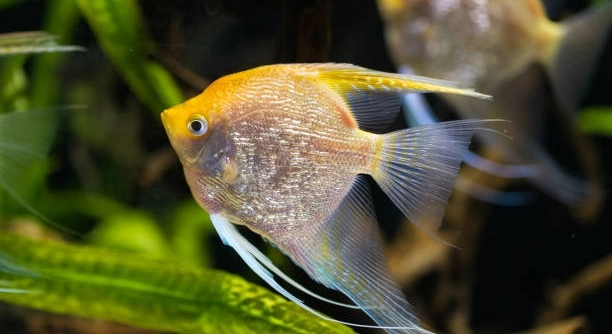
Angelfish are a popular choice for many aquarium enthusiasts, known for their graceful movements and vibrant colors. However, sometimes they may refuse to eat pellets, leaving their owners frustrated and concerned. This issue is more common than you might think.
The refusal to eat pellets can stem from several reasons, including water quality, pellet size, diet preferences, or stress. Angelfish may also avoid pellets due to illness or if the pellets are not fresh. Identifying the root cause is essential.
Understanding why your angelfish refuses to eat pellets will help you address the issue effectively. We’ll explore the most common reasons and how to remedy them.
Water Quality Issues
Water quality plays a significant role in the health and appetite of your angelfish. Poor water conditions, such as high levels of ammonia, nitrites, or low oxygen, can make your angelfish feel stressed or unwell. This stress can cause them to refuse food. Angelfish are particularly sensitive to changes in water parameters, and if the water is not clean, they may avoid eating pellets. Regular water testing and maintenance can help keep these problems in check.
To ensure your angelfish thrives, it’s crucial to monitor water quality regularly. A stable environment encourages eating and overall well-being.
Maintaining good water quality will not only keep your fish healthy but also improve their feeding habits. If you notice your angelfish refusing food, test the water immediately and make adjustments as needed.
Pellet Size and Type
Another factor that may contribute to your angelfish’s refusal to eat pellets is the size and type of pellet. If the pellets are too large or difficult for your angelfish to eat, they may simply avoid them. Try offering smaller pellets or switching to a different type of food.
Angelfish naturally prefer softer, smaller pellets or flakes that they can easily consume. Hard, large pellets may intimidate them or be too challenging to eat, leading to hunger but no interest in the food.
Choosing the right size and texture of food is key to ensuring your angelfish eats well. Offering a variety of pellet sizes and types can help determine what your fish prefers.
Stress and Environment
Stress is a common reason why your angelfish may refuse to eat. Factors like sudden changes in water temperature, overcrowding, or aggressive tank mates can make your angelfish anxious. Stress negatively affects their appetite and overall well-being.
Creating a calm, stable environment is essential for reducing stress in your angelfish. Ensuring they have enough space and compatible tank mates can help them feel more comfortable. Consider adding plants or hiding spots, which allow your fish to retreat when they feel stressed.
A peaceful environment is key to encouraging your angelfish to eat. It’s important to observe their behavior for signs of stress, and make adjustments if necessary. A stress-free angelfish is much more likely to return to healthy eating habits.
Illness and Health Issues
If your angelfish is refusing to eat, it could be suffering from an underlying illness. Common health issues like parasites, fin rot, or swim bladder disease can cause a loss of appetite. A sick angelfish may simply lack the energy to eat.
Before jumping to conclusions, observe your angelfish for other signs of illness. Look for unusual swimming behavior, bloating, or visible lesions on the skin. If you suspect your fish is sick, it’s best to consult with a veterinarian experienced in aquarium fish.
Health problems can significantly affect your angelfish’s willingness to eat. Timely diagnosis and treatment are essential for a quick recovery. If illness is suspected, it’s best to isolate the sick fish and treat the tank accordingly.
Food Preferences
Angelfish can be picky eaters. They may simply prefer different types of food over pellets, like live or frozen foods. Offering a variety of food types can help find what they like best.
Live foods such as brine shrimp or daphnia might entice your angelfish more than pellets. Some fish may also prefer softer foods, such as flakes or even freeze-dried options.
Experimenting with different food options is key to figuring out your angelfish’s preferences. Pay attention to what they seem most excited about to ensure they’re getting the right nutrients.
Tank Mates
Aggressive tank mates can make your angelfish anxious and lead them to stop eating. Angelfish do well with peaceful fish, but when paired with more aggressive species, they may feel threatened.
If your angelfish is not eating, consider the behavior of other fish in the tank. Territorial or overly active fish might be stressing your angelfish, causing it to lose interest in food. Adjusting the tank’s population can help.
Creating a peaceful and harmonious environment for all the tank’s inhabitants encourages better eating habits for your angelfish.
FAQ
Why isn’t my angelfish eating pellets anymore?
There could be several reasons why your angelfish has stopped eating pellets. The most common causes include poor water quality, stress, or illness. Check the water parameters to ensure they’re optimal, and observe your fish for signs of disease or stress.
What should I do if my angelfish is stressed?
If your angelfish is stressed, it’s important to identify the stressors. These can include aggressive tank mates, poor water conditions, or sudden changes in the tank environment. Try to maintain a stable and calm habitat with hiding spots to help reduce anxiety.
Can angelfish get sick from bad water quality?
Yes, poor water quality can lead to various illnesses in angelfish. High levels of ammonia or nitrites, for example, can cause stress and weaken your fish’s immune system, making them more susceptible to infections and diseases. Regular water testing is crucial.
How can I make my angelfish eat pellets again?
Try offering a variety of food options to find something your angelfish likes. If they prefer live food, try introducing brine shrimp or bloodworms. You can also experiment with different pellet types, sizes, and flavors to see if that catches their interest.
Can I feed my angelfish frozen food instead of pellets?
Yes, you can feed your angelfish frozen food such as brine shrimp, bloodworms, or daphnia. Many angelfish find frozen foods more appealing than pellets. However, it’s important to still offer a balanced diet and rotate between different food types to ensure they get all necessary nutrients.
Is it safe to add more fish if my angelfish is not eating?
If your angelfish isn’t eating due to stress from other tank mates, adding more fish may not help and could make the problem worse. It’s best to address the root cause of the stress first. If you decide to add new fish, choose peaceful species.
How long can an angelfish go without eating?
Angelfish can usually go without eating for a few days to a week, but it’s important to monitor their condition. Prolonged refusal to eat could indicate stress, illness, or an unsuitable environment. If the problem persists, take action to address the underlying issue.
Can angelfish stop eating due to tank temperature?
Yes, temperature changes can affect your angelfish’s appetite. Angelfish are tropical fish and prefer water temperatures between 76-82°F (24-28°C). If the water is too cold or too hot, they may become lethargic or stressed, causing them to stop eating.
Should I quarantine my angelfish if it’s not eating?
If you suspect your angelfish is ill, it’s a good idea to quarantine it to prevent any potential spread of disease to other fish. A separate quarantine tank will allow you to closely monitor their behavior and address any health issues.
Are there any signs that my angelfish might be sick?
Yes, signs that your angelfish might be sick include lethargy, abnormal swimming behavior, discoloration, bloating, or visible lesions. If you notice any of these signs, it’s important to isolate the fish and consult with a veterinarian or aquatic specialist for treatment options.
Can I feed my angelfish different types of pellets?
Yes, offering a variety of pellet types can help find the one your angelfish prefers. You can try switching between different sizes, flavors, or even brands to see which one is more appealing to your fish. Rotate between food types for balanced nutrition.
How can I improve my angelfish’s appetite?
To improve your angelfish’s appetite, ensure the water quality is optimal and that the environment is calm and stress-free. Offering a variety of food types and providing regular feeding schedules can also help encourage eating. Make sure the tank is properly maintained and monitored for health issues.
What are some common mistakes when feeding angelfish?
Common mistakes include overfeeding, feeding low-quality food, or providing food that’s too large or hard for the fish to eat. It’s important to offer appropriate-sized food and avoid overfeeding to prevent water quality issues.
Can angelfish eat too much?
Yes, overfeeding your angelfish can lead to obesity and poor water quality. Feed your angelfish only as much as they can consume in a few minutes, and remove any uneaten food from the tank after feeding to prevent waste buildup.
How often should I feed my angelfish?
Angelfish should be fed 1-2 times per day, with a small amount of food each time. It’s important not to overfeed them. Regular, consistent feeding schedules help maintain a healthy diet and prevent the fish from becoming too stressed.
Can stress from tank mates cause my angelfish to refuse food?
Yes, aggressive or overly active tank mates can stress your angelfish and lead to a loss of appetite. Angelfish do best in peaceful tanks with compatible fish. If stress is suspected, consider rearranging the tank or removing problematic fish.
Is it safe to feed my angelfish just one type of food?
While it’s safe to feed your angelfish one type of food, it’s not recommended for long-term health. Offering a variety of foods ensures they receive a balanced diet with all the necessary nutrients. Rotate between pellets, flakes, and occasional live food.
Why does my angelfish only eat certain types of food?
Angelfish have individual preferences, just like any other fish. They may favor certain types of food over others, such as live or frozen food. It’s important to experiment and provide a range of options to encourage healthy eating habits.
Final Thoughts
Angelfish are fascinating creatures, but when they stop eating, it can be a concerning issue. The reasons behind this behavior can vary, from poor water quality to stress or even changes in their diet preferences. It’s essential to consider all possible factors and work on creating a comfortable and stable environment for your fish. Ensuring that your angelfish’s tank is well-maintained and that water parameters are ideal will go a long way in encouraging them to eat.
Another key factor to consider is the type of food you’re offering. Angelfish can be picky eaters, and sometimes they may simply not like the food provided. Trying a variety of food options, such as pellets, flakes, or even live and frozen foods, can help determine what your angelfish prefers. It’s also important to monitor their feeding habits closely and not overfeed them, as this can lead to water quality problems. A balanced diet, along with appropriate feeding schedules, will keep your angelfish healthy and happy.
Finally, take note of the behavior of other fish in the tank. Aggressive or overly active tank mates can contribute to your angelfish’s stress, which might cause them to refuse food. A peaceful environment with compatible tank mates is essential for your angelfish’s well-being. If all these factors are addressed—water quality, food preferences, and tank mates—your angelfish should regain its appetite and thrive. Pay attention to any changes in behavior and seek help from a professional if needed to ensure your angelfish stays healthy.

Hello,
If you enjoy the content that we create, please consider saying a "Thank You!" by leaving a tip.
Every little bit helps us continue crafting quality advice that supports the health, happiness, and well-being of pets around the world, for pets of all shapes, sizes, and species.
We really appreciate the kindness and support that you show us!