
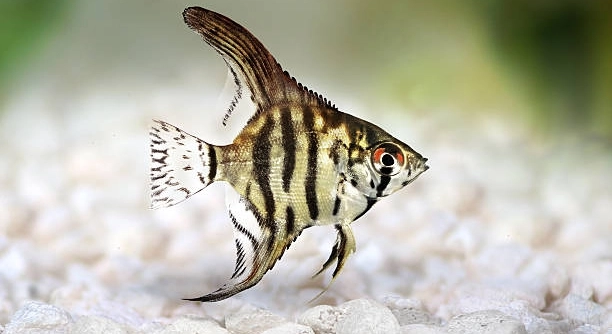
Angelfish are known for their beauty and unique behavior, but when they refuse to eat live food, it can be concerning. Several factors could be at play, ranging from environmental conditions to health issues.
The refusal to eat live food may result from stress, water quality issues, or underlying health problems. Ensuring proper tank conditions, a balanced diet, and monitoring their behavior can help pinpoint the cause and encourage normal feeding habits.
Identifying the root cause is crucial for restoring your angelfish’s feeding behavior. This guide will help you understand the possible reasons behind this issue and provide practical solutions.
Stress and Anxiety in Angelfish
Stress is a common reason behind angelfish refusing to eat live food. Factors like sudden changes in water temperature, tank mates, or even handling can cause anxiety. If they feel threatened or unsettled, they may stop eating. It’s essential to create a peaceful environment for your fish, where they feel secure and comfortable.
A peaceful tank with minimal disturbances can help reduce stress in angelfish. Avoid loud noises, sudden movements, or overcrowded tanks. Stress can weaken their immune system, making them more prone to other issues, further reducing their appetite.
Ensure the tank setup is appropriate, with adequate hiding spaces and compatible tank mates. Adding plants, rocks, and decorations can help angelfish feel more secure. Pay attention to their behavior—if they become more active or curious, it could indicate the stress is easing.
Water Quality Problems
Water quality is crucial for your angelfish’s health and feeding habits. Poor water conditions can result in a loss of appetite. If the water is too acidic or contains high levels of ammonia, your fish may refuse to eat.
Test the water regularly to ensure it’s within the ideal parameters for angelfish. This includes maintaining a temperature between 76-82°F (24-28°C), pH levels between 6.8 and 7.8, and low ammonia and nitrite levels. A proper filtration system and routine water changes are essential for maintaining a healthy environment.
High levels of toxins in the water can irritate your angelfish, causing them to avoid food. You should address any water quality issues immediately, as poor conditions can lead to more severe health problems. Regular water changes, cleaning, and monitoring the filter can help maintain a safe environment for your fish.
Illness or Injury
Angelfish may refuse live food if they are unwell or injured. Any physical condition affecting their ability to swim or eat could cause a loss of appetite. Look for signs of illness such as pale skin, unusual swimming patterns, or physical damage.
If your angelfish seems lethargic or isn’t swimming properly, it might have an internal or external health issue. Parasites, infections, or injuries can make eating difficult. When an angelfish is not feeling well, it will often prioritize recovery over feeding.
Consulting with a vet or fish expert may be necessary to diagnose any health problems. Treating illness early can prevent long-term damage and help restore your fish’s appetite. Proper medication, clean water, and a stress-free environment are essential to aid recovery and encourage feeding.
Water Temperature
Water temperature plays a significant role in the feeding habits of angelfish. If the water is too cold or too hot, they may become sluggish or lose interest in food. Maintaining a consistent temperature is essential for their well-being.
Angelfish thrive in temperatures ranging from 76-82°F (24-28°C). Temperatures that fall outside this range can cause stress, making them less likely to feed. A reliable heater and thermometer are essential tools for controlling the tank temperature.
A drop or rise in temperature can also make the angelfish more susceptible to diseases, further complicating the feeding issue. Monitor your tank’s temperature regularly to ensure it stays within the ideal range.
Overfeeding
Overfeeding can lead to your angelfish refusing live food. If they are already full from excess food, they may not have the appetite for more. This can cause them to ignore live food, especially if their stomachs are already stretched from previous meals.
It’s important to feed your angelfish in moderation. Only provide small amounts of food that they can consume within a few minutes. Overfeeding can also lead to water quality issues, which may further reduce their appetite.
Feeding your angelfish in the right portion sizes will not only help them eat better but also keep the tank cleaner and healthier. Monitor their intake carefully to avoid this issue.
Tank Environment
A poorly set-up tank can discourage your angelfish from eating live food. If they feel insecure or stressed due to overcrowded spaces or incompatible tank mates, they may not want to feed.
Ensure your tank has enough hiding spaces and a comfortable layout for your angelfish. Adding plants, decorations, and ensuring the tank is properly sized can reduce stress and promote natural feeding behavior.
Avoid keeping aggressive fish with your angelfish as this can cause unnecessary tension. Creating a calm, secure environment will encourage them to eat and thrive.
Poor Food Quality
Live food may be rejected if it is not fresh or of poor quality. Angelfish are picky eaters, and if the food is not appealing, they may refuse to eat it. Ensure the live food is healthy and properly prepared.
Always buy live food from a reliable source to guarantee it’s fresh and free of parasites or contaminants. Poor-quality food can also affect the fish’s health in the long run, causing more problems.
FAQ
Why is my angelfish suddenly refusing food?
A sudden refusal to eat could be due to stress, illness, or a change in water quality. Angelfish are sensitive to their environment, and even slight changes, such as temperature fluctuations or new tank mates, can cause them to stop eating. If they are experiencing health issues, such as parasites or injuries, this may also affect their appetite. Check for signs of stress, water quality problems, and any visible injuries to help identify the cause.
How long can an angelfish go without eating?
An angelfish can usually go without eating for a few days, but prolonged fasting can weaken their immune system and lead to other health issues. If your angelfish refuses food for more than three days, it’s important to address the underlying cause. Prolonged hunger can result from stress, illness, or poor water conditions, so checking these factors is key to ensuring their well-being.
Can poor water quality cause angelfish to stop eating?
Yes, poor water quality can lead to a loss of appetite in angelfish. High levels of ammonia, nitrites, or low oxygen levels can stress fish and make them less inclined to feed. Regular water testing and maintaining clean tank conditions are essential for your angelfish’s health. Perform regular water changes and ensure the filtration system is working correctly to avoid this issue.
What is the best temperature for angelfish to eat?
Angelfish prefer water temperatures between 76-82°F (24-28°C). If the water temperature is too high or too low, they may become sluggish and refuse food. A steady, optimal temperature helps keep their metabolism balanced, encouraging healthy feeding habits. Using a reliable heater and thermometer will help you maintain a stable and comfortable environment for your fish.
Could overfeeding cause my angelfish to stop eating?
Yes, overfeeding can cause your angelfish to lose interest in live food. If they are already full, they may not feel the need to eat more. Overfeeding can also lead to water quality issues, which can further reduce their appetite. Feeding your angelfish in small amounts, only what they can consume in a few minutes, will help keep them hungry and ensure a healthier tank environment.
How can I reduce stress in my angelfish?
Stress is a common cause of feeding refusal in angelfish. To reduce stress, make sure your tank is large enough, has plenty of hiding spots, and is well-decorated with plants or rocks. Avoid keeping aggressive fish with your angelfish and reduce loud noises or sudden movements near the tank. A calm, peaceful environment helps angelfish feel secure and more likely to feed.
What signs indicate my angelfish is sick?
Sick angelfish may show a variety of signs, including faded or discolored skin, abnormal swimming patterns, lethargy, or spots on their body. If they seem weak or have trouble swimming, it’s likely they are not eating due to illness. Check for any visible injuries or signs of parasites. Treating illness early is important to prevent further health issues.
How can I get my angelfish to eat live food again?
To encourage your angelfish to eat live food again, make sure the water quality is optimal, the temperature is steady, and they are not stressed by tank mates. If the food is of poor quality or not fresh, replace it with higher-quality live food. If the issue persists, check for any health concerns and consult a veterinarian if necessary.
Can I switch to frozen food if my angelfish refuses live food?
Yes, if your angelfish refuses live food, you can try offering frozen food. Many angelfish will readily accept frozen foods such as brine shrimp, bloodworms, or daphnia. Ensure that the frozen food is thawed properly before feeding. Offering a variety of food types can also help entice your angelfish to eat again.
What should I do if my angelfish is not eating for a long period?
If your angelfish hasn’t eaten for several days, you should first assess the water quality and temperature. Poor conditions can make them less inclined to eat. Check for signs of stress, injury, or illness, and consider changing the tank environment. If there’s no improvement after addressing these factors, consult a fish vet for further guidance.
Final Thoughts
Understanding why your angelfish may be refusing live food is important for their health and well-being. Several factors can contribute to this behavior, including stress, illness, poor water conditions, and overfeeding. By observing your angelfish closely and addressing these potential issues, you can help restore their appetite and ensure they remain healthy. It’s essential to provide a stable, stress-free environment and monitor water quality regularly. If the issue persists, consulting a veterinarian or fish expert may be necessary to rule out any underlying health problems.
Maintaining the right water temperature, feeding in moderation, and offering fresh, high-quality food can significantly improve your angelfish’s feeding habits. Fish are sensitive creatures, and their behavior often reflects the quality of their environment. By focusing on the basics, such as proper tank setup, avoiding overcrowding, and ensuring they have enough space, you can reduce stress and encourage better eating habits. If your angelfish is still refusing food, make sure to check for signs of illness, as early detection is key to preventing further complications.
Finally, patience is important when dealing with feeding issues in angelfish. It may take time for them to adjust, especially if there has been a change in their environment or routine. Keep monitoring their behavior and make gradual adjustments to their care. By being proactive and attentive to their needs, you can ensure your angelfish returns to eating live food and stays healthy. A combination of proper care, observation, and timely intervention can help you address feeding problems and create a better living environment for your angelfish.

Hello,
If you enjoy the content that we create, please consider saying a "Thank You!" by leaving a tip.
Every little bit helps us continue crafting quality advice that supports the health, happiness, and well-being of pets around the world, for pets of all shapes, sizes, and species.
We really appreciate the kindness and support that you show us!