
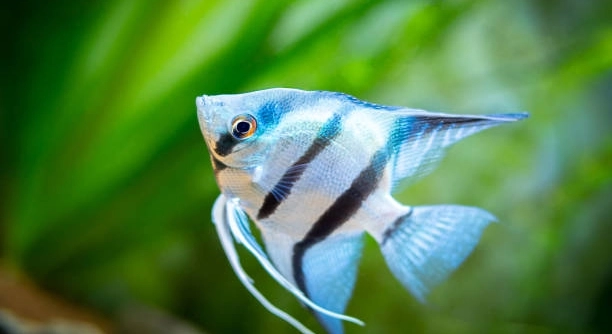
Angelfish are known for their unique behaviors and sensitivity to their surroundings. One of the most intriguing aspects is their reaction to different sounds. Understanding these responses can help you better care for your angelfish and their environment.
Angelfish may react to different sounds due to a variety of reasons, including their sensitivity to vibrations, environmental stress, or even the presence of potential threats. These reactions are instinctive and can help them respond to changes in their surroundings.
Understanding your angelfish’s behavior can provide insights into their needs and how to create a peaceful environment. Keep reading to discover possible reasons behind these reactions.
Sensitivity to Vibrations
Angelfish are highly sensitive to vibrations in their environment. This sensitivity is partly due to their lateral line, which detects changes in water movement. When a sound occurs, whether from humans, other animals, or even mechanical equipment, these vibrations can cause them to react, often by swimming erratically or hiding. The vibrations disrupt their natural rhythm, causing stress or confusion.
While many aquarium fish can sense vibrations, angelfish are particularly responsive due to their habitat in the wild. Their heightened awareness helps them avoid predators. In an aquarium, this trait may cause them to act out when exposed to sudden changes in their environment.
In a home tank, sounds from things like water pumps or even heavy footsteps can disturb your angelfish. They are quick to respond to these changes. This behavior may appear alarming, but it’s simply their instinct to react to potential threats. You may notice your angelfish becoming more active or moving to corners of the tank to escape perceived danger.
Environmental Stress
Any changes in the environment can lead to stress for angelfish. They thrive in stable conditions, so anything that disrupts their habitat may cause them to react nervously. Sounds, especially loud ones, can increase their stress levels.
Stress from noise can manifest as erratic swimming, loss of appetite, or hiding. These behaviors are often linked to the fish trying to avoid disturbances they don’t fully understand. Over time, these repeated stress responses can affect their health.
Loud or Sudden Noises
Loud or sudden noises can startle angelfish, leading to defensive reactions. They are naturally inclined to respond to sharp sounds as if they were threats. A loud sound can trigger a fear response, causing them to dart around the tank or swim into hiding.
While angelfish are often calm, certain sounds—such as clattering objects or loud voices—can stress them out. Their reaction to these disturbances may be more noticeable if the noise is unexpected. The fish’s instinct is to seek shelter when they feel threatened. This can sometimes result in them hiding behind decorations or retreating to darker areas of the tank. If these reactions are frequent, it’s essential to minimize sudden disruptions around their tank.
Even things like tapping on the glass or the sound of a vacuum running nearby can make them feel vulnerable. Over time, continuous loud noises could contribute to long-term stress, affecting their behavior and health.
Vibrations from Equipment
Aquarium equipment like filters, air pumps, or heaters can create vibrations that angelfish are sensitive to. These vibrations are transmitted through the water and can disturb their environment. Angelfish, with their keen sense of vibrations, may react by swimming around more than usual or appearing unsettled.
Even though the equipment is necessary for maintaining a healthy tank, the vibrations they produce can make angelfish feel uneasy. While these vibrations aren’t harmful in themselves, they can interfere with the fish’s ability to find calm, leading them to appear stressed or anxious. The level of vibration and its proximity to the angelfish’s area of the tank can influence their response.
To help reduce the effects of vibrations, consider placing the tank on a stable surface away from sources of strong vibrations. Make sure equipment is functioning properly without excessive noise, as this will also help in creating a more peaceful environment for your angelfish.
Presence of Other Animals
The presence of other animals near the tank can influence how your angelfish react to sounds. Other pets, like cats or dogs, may cause vibrations in the environment, making the angelfish more alert. They can sense these animals’ movements.
Angelfish are naturally cautious and will react to any movement around them. Pets wandering too close can make them feel uneasy, especially if there is a lot of movement or noise. They might swim erratically or hide when they sense something unfamiliar nearby.
Human Interaction
Angelfish also respond to human presence, particularly when people are loud or make sudden movements near their tank. This can create a sense of unpredictability for the fish, causing them to react with stress.
Humans are large and noisy compared to other animals, so when you approach the tank, it might trigger a defensive reaction from your angelfish. These reactions are a sign of their instinct to avoid potential threats. However, if you consistently handle the tank calmly and quietly, angelfish may become more comfortable and less reactive to human presence over time.
Tank Location
The location of your tank plays a key role in how your angelfish respond to sounds. If your tank is placed in a high-traffic area, the constant movement around it can cause vibrations, leading to nervous behavior.
FAQ
Why is my angelfish swimming erratically after hearing sounds?
Angelfish are highly sensitive to sounds and vibrations. When they hear or sense unfamiliar sounds, especially loud or sudden ones, they might swim erratically as a stress response. This behavior is instinctive, as they try to avoid perceived threats. Their lateral line, a sensory organ, picks up vibrations in the water, and any significant change can cause a startled reaction. If your angelfish seems to swim in circles or dart around the tank after a noise, it’s likely due to the disturbance in their environment.
Can angelfish get stressed from sounds they are not familiar with?
Yes, angelfish can become stressed when exposed to unfamiliar sounds. Like many fish, they are highly sensitive to changes in their surroundings, including sound. This stress is often shown by erratic swimming, hiding, or loss of appetite. Even everyday noises, like someone knocking on the tank or the sound of a vacuum cleaner running nearby, can disrupt their sense of calm. Over time, continuous exposure to such noises may lead to chronic stress, affecting their overall health. To reduce stress, keep the tank in a quieter area and avoid sudden noises near it.
Do angelfish react to loud music?
Loud music can definitely affect angelfish. Since angelfish are sensitive to vibrations, any loud sound, including music, can cause them to react. The bass from music can create strong vibrations in the water, which might be disturbing to your fish. They may become more active, swim erratically, or seek shelter within the tank. It’s a good idea to avoid placing the tank near speakers or areas where loud music is played regularly, as prolonged exposure to such vibrations can stress the fish.
How do vibrations from tank equipment affect angelfish?
Vibrations from aquarium equipment, like filters or air pumps, can influence the behavior of angelfish. While these vibrations are often subtle, angelfish can still sense them, and it can cause them to feel uneasy. Over time, the continuous low-frequency vibrations may become a source of stress. To minimize the impact of these vibrations, ensure that your equipment is running smoothly and is placed in a way that reduces excess movement. If the vibrations seem to bother your fish, consider relocating the equipment or adjusting its settings.
Is it normal for angelfish to hide when they hear a sound?
Yes, it is normal for angelfish to hide when they hear sounds that they perceive as threatening. Angelfish are naturally cautious and can be startled by sudden sounds, especially those they’re not familiar with. Their instinct is to seek refuge in places where they feel safer, such as behind plants or ornaments in the tank. This behavior is typically temporary, and once they feel the sound is no longer a threat, they usually return to normal activity. However, frequent hiding may indicate that the environment is too stressful for them.
Can angelfish get used to certain sounds over time?
Yes, angelfish can adapt to certain sounds over time, especially if those sounds are consistent and not threatening. For instance, if you consistently interact with your tank in a calm manner, they may become accustomed to your presence and the sounds you make. Similarly, if you play soft background music or have equipment running regularly, the fish may learn to tolerate these sounds as part of their environment. However, sudden or drastic changes in sound, such as loud noises or unfamiliar sounds, will still cause them to react.
Should I move my angelfish tank if it’s in a noisy area?
If your angelfish tank is in a noisy area with frequent disturbances, it might be a good idea to relocate it to a quieter space. Continuous exposure to noise can lead to chronic stress, which can harm your fish’s health. Look for a location that is away from high-traffic areas, pets, or loud electronics. A quieter environment will help keep your angelfish calm and reduce the risk of stress-related behaviors. The more peaceful and stable their environment, the healthier and happier your fish will be.
How can I tell if my angelfish is stressed from noise?
There are several signs that can indicate stress in angelfish due to noise. If your angelfish is swimming erratically, hiding more often, or appears to be more active than usual, it could be reacting to sounds. They may also stop eating or become lethargic. In some cases, their coloration may change, becoming darker or more washed out. If you notice any of these signs after a loud sound or disturbance, it’s likely that the noise is affecting your angelfish. Reducing noise around the tank should help calm them down.
Can loud noises cause long-term damage to angelfish?
While occasional loud noises are unlikely to cause long-term damage to angelfish, prolonged exposure to loud or disruptive sounds can lead to chronic stress. Over time, stress can weaken their immune system, making them more susceptible to diseases. Additionally, long-term stress can reduce their lifespan and cause abnormal behavior, such as reduced feeding, lethargy, or aggression. To prevent this, try to create a calm, quiet environment for your angelfish to help them thrive.
Do vibrations from walking around the tank affect angelfish?
Yes, vibrations from walking near the tank can disturb angelfish. Although these vibrations are not as strong as those from equipment or loud noises, angelfish are still sensitive to them. They may swim erratically or seem startled when they sense movement around their tank. If you notice that your angelfish appear stressed after walking near the tank, try to minimize foot traffic around their environment. Placing the tank in a less-trafficked area can help reduce their stress and make them feel more secure.
Final Thoughts
Understanding how angelfish respond to different sounds can help you create a more comfortable and stress-free environment for them. These fish are sensitive to changes in their surroundings, especially when it comes to noise and vibrations. While they can adapt to some sounds over time, sudden or loud noises can cause them distress. It’s important to pay attention to their behavior and make adjustments if you notice signs of stress, like erratic swimming or hiding.
One of the most effective ways to reduce stress in your angelfish is by placing the tank in a quiet area. Keep it away from high-traffic spots where there is a lot of noise or movement. Avoid placing the tank near loud equipment or speakers, as vibrations from these sources can affect the fish. By providing a peaceful environment, you help your angelfish feel more secure and less likely to react negatively to sounds around them.
Lastly, every angelfish is unique, and some may be more sensitive to sounds than others. By observing your fish regularly, you can get to know their individual preferences and adjust their environment accordingly. Whether it’s adjusting the tank’s location or reducing noise levels, small changes can go a long way in ensuring your angelfish thrive in a calm and healthy setting.

Hello,
If you enjoy the content that we create, please consider saying a "Thank You!" by leaving a tip.
Every little bit helps us continue crafting quality advice that supports the health, happiness, and well-being of pets around the world, for pets of all shapes, sizes, and species.
We really appreciate the kindness and support that you show us!