
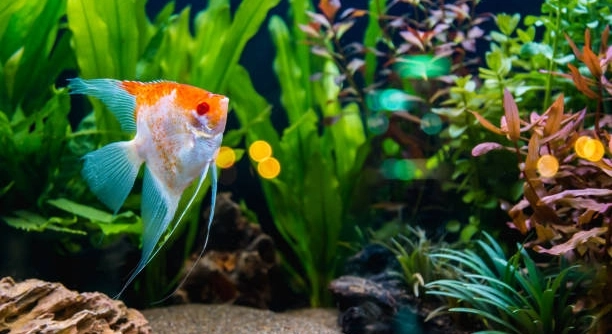
Angelfish are known for their graceful swimming, but sometimes they may not swim as smoothly as expected. This could be due to several factors affecting their movement and overall health in the aquarium.
The primary causes for your angelfish not swimming smoothly can be related to water quality, stress, illness, injury, or environmental factors. Poor water conditions, such as imbalanced pH levels or high ammonia, can hinder their ability to swim properly.
Understanding these factors will help you provide the right care and environment to get your angelfish swimming comfortably again.
Poor Water Quality
Water quality is essential for your angelfish’s health. If the tank has high ammonia, nitrite, or low oxygen levels, your angelfish may struggle to swim smoothly. Dirty water can also cause stress, leading to abnormal swimming behavior. Regular water changes and proper filtration can help keep water conditions in check. It’s important to regularly test the water for pH, ammonia, and nitrate levels to ensure they are within a healthy range.
Keep in mind that poor water quality can affect not only their swimming but their overall well-being. Be sure to maintain a consistent cleaning schedule to prevent any major fluctuations in water parameters. This will help your fish stay healthy and active.
To maintain optimal water conditions, invest in a reliable filtration system, monitor tank parameters regularly, and perform routine water changes. This is the most effective way to avoid water-related swimming issues.
Stress and Overcrowding
Stress is another common factor that can affect your angelfish’s ability to swim smoothly. If they feel crowded or threatened, they may exhibit unusual swimming patterns. When there are too many fish in the tank, they may become stressed and fight for space. Overcrowding leads to discomfort and can cause your fish to swim in an erratic manner.
Create a peaceful tank environment by ensuring there is enough space for each angelfish to move freely. The recommended tank size is 20 gallons or more, depending on the number of fish. Make sure the tank is decorated with plants, rocks, or other elements that provide hiding spaces. This reduces stress and allows angelfish to retreat when they need a break from others.
In addition, adding tank mates that are peaceful and non-aggressive can reduce aggression. Aggressive fish might chase the angelfish, resulting in stress that affects swimming and overall health. Keep an eye on tank dynamics and separate any fish that show signs of bullying.
Illness or Injury
Angelfish can suffer from illnesses that affect their swimming, such as internal parasites or external injuries. A weakened immune system can make it harder for them to maintain smooth, fluid movements. Illnesses like swim bladder disease or fin rot can also affect their ability to swim properly.
If your angelfish is showing signs of illness, such as a lack of appetite or sluggish movement, it’s crucial to treat them as soon as possible. Sometimes, these issues are caused by poor water conditions or stress, but they can also arise from direct injury or infection.
Injuries, like a torn fin or an injury caused by tank mates, can affect your fish’s swimming ability. If the fish has sustained an injury, provide a peaceful, stress-free environment for recovery and make sure to keep an eye on any signs of infection.
Water Temperature Fluctuations
Another common cause of erratic swimming is inconsistent water temperature. Angelfish are sensitive to temperature changes, and if the water becomes too hot or too cold, they may struggle to swim properly. A sudden drop or rise in water temperature can lead to lethargy, sluggish movements, or erratic swimming patterns.
It’s essential to keep the tank temperature stable. Angelfish thrive in water temperatures between 75°F and 82°F. Use a reliable aquarium heater to maintain the ideal temperature range. Avoid placing your tank near windows or air vents, as this can cause temperature fluctuations. Regularly check the temperature with a thermometer to ensure it’s within the desired range.
If you notice your angelfish struggling to swim, first check the water temperature. Fluctuating temperatures can weaken their immune system, making them more vulnerable to diseases. Keeping the water at a stable, ideal temperature will help your angelfish swim comfortably and stay healthy.
Injury or Physical Damage
Injuries can lead to poor swimming, especially if the angelfish has sustained damage to its fins or body. A torn fin or scraped scales from sharp objects in the tank could hinder their movement. Ensure the tank environment is free from sharp edges or objects that could harm your fish.
Physical damage from tank mates can also lead to difficulty swimming. If another fish is too aggressive or territorial, it may cause injuries that affect the angelfish’s ability to move smoothly. Keep an eye on the dynamics between tank mates and separate aggressive fish.
Allow the injured fish to heal in a calm, low-stress environment. Consider using a quarantine tank to avoid further injury or stress from other fish. Make sure to remove any aggressive fish that may cause more harm and ensure the water quality is optimal for the healing process.
Poor Diet
A poor diet can affect your angelfish’s overall health and swimming ability. Nutrient deficiencies or an imbalanced diet may lead to lethargy or abnormal swimming behavior. A healthy, varied diet is essential to keep your angelfish active and energetic.
Ensure your angelfish is getting a well-rounded diet that includes high-quality flakes, pellets, or live foods. Overfeeding can lead to obesity, which can cause difficulties with movement and swimming. On the other hand, underfeeding can weaken the fish, making it harder for them to swim properly.
Regularly feed your fish small, balanced meals and avoid overfeeding. Supplement their diet with occasional live or frozen foods, such as brine shrimp or bloodworms, to ensure they get the nutrients they need. If your angelfish isn’t eating, check for signs of illness or stress that could be affecting its appetite.
Water Flow Issues
Too much water flow can make it hard for your angelfish to swim smoothly. Strong currents might push them around, causing them to expend extra energy. Make sure your tank’s filter isn’t too powerful for your fish’s size.
On the other hand, too little water movement can cause the water to stagnate. This leads to poor oxygenation, affecting the health of your angelfish. Keep a balanced flow to maintain a healthy environment and support their swimming.
Adjust the filter to the right flow rate for your tank. You may need to invest in a more suitable filter or add flow adjusters to ensure the water is circulating evenly.
Overexposure to Light
Excessive light can cause stress and fatigue in your angelfish, affecting their swimming patterns. If your tank is too bright or the light is on for too long, it can disrupt their natural behavior and lead to erratic movements.
Provide your fish with a consistent light cycle. Try to limit light exposure to 10–12 hours per day to avoid overstimulating them. Use a timer to ensure the light goes on and off at regular times. This helps create a more natural environment for your fish and can improve their swimming behavior.
Make sure to place your tank in a location with indirect sunlight or adjust the lighting intensity to reduce excess brightness. If you notice your angelfish swimming erratically after prolonged light exposure, consider reducing the intensity or duration of the light.
Tank Maintenance Issues
Neglecting regular tank maintenance can lead to imbalanced water conditions and affect your angelfish’s swimming. Dirty gravel, clogged filters, or unclean decorations can all negatively impact water quality and cause stress.
Keep up with tank maintenance, including cleaning the substrate, checking the filter, and replacing any broken equipment. Regularly test the water to ensure it’s free from harmful levels of ammonia, nitrite, or nitrate. This will help prevent any unnecessary stress that could affect your angelfish’s swimming.
Ensure your tank setup is optimal for both your fish’s comfort and your own convenience. Regular maintenance is key to keeping the water clean and ensuring your angelfish are happy and healthy.
FAQ
Why is my angelfish swimming upside down?
Swimming upside down can be a sign of swim bladder disease or another health issue. Swim bladder problems prevent fish from controlling their buoyancy, causing them to flip over or struggle to stay upright. It may be caused by constipation, poor water quality, or an infection.
If you notice this behavior, check the water conditions immediately. If the water quality is poor, do a water change and test the parameters. You can also try feeding your angelfish blanched peas, which can help alleviate constipation. If the issue persists, consider isolating the fish in a quarantine tank for treatment or consult an aquatic veterinarian for further advice.
How can I help my angelfish swim better?
To improve your angelfish’s swimming, focus on water quality, tank environment, and their overall health. Maintain stable water conditions with proper filtration and regular water changes. Keep the tank clean, provide adequate space, and avoid overcrowding. A peaceful environment with healthy tank mates can reduce stress, which impacts swimming.
Additionally, make sure your angelfish is on a well-balanced diet. Offering high-quality foods and avoiding overfeeding will help maintain their energy levels. If your angelfish is showing signs of illness or injury, addressing those issues promptly can help improve their swimming.
What should I do if my angelfish is swimming in circles?
Swimming in circles can be a sign of stress, disorientation, or an underlying health issue. It may indicate poor water quality, a lack of oxygen, or even an injury. First, check the water quality and make sure the oxygen levels are adequate.
If the tank’s conditions are good, the fish may be stressed due to overcrowding or tank mates. Consider adjusting the tank environment by providing more space or hiding spots. If this behavior persists, the fish may have an illness that requires treatment, such as parasites or neurological issues. Isolate the fish and monitor closely for other signs of distress.
What does it mean if my angelfish is swimming in place?
If your angelfish is swimming in place, it might be showing signs of stress, discomfort, or illness. This behavior can be caused by poor water conditions, low oxygen levels, or the presence of other aggressive fish in the tank.
To address this, check the water parameters and ensure proper oxygenation. Adding live plants or decorations can create hiding spots, reducing stress. If the issue persists, observe the fish for other symptoms like clamped fins or a lack of appetite, as these could indicate an illness that needs treatment.
How do I know if my angelfish is stressed?
Stressed angelfish often display abnormal swimming behavior, like rapid darting, swimming upside down, or staying in one spot for long periods. Other signs of stress include clamped fins, loss of appetite, and faded coloration. Stressed fish may also hide more often than usual or exhibit aggressive behavior toward other tank mates.
If you notice any of these symptoms, take immediate steps to improve the tank environment. Ensure the water quality is optimal, the tank isn’t overcrowded, and the fish have plenty of hiding spots. Keep tank mates peaceful and avoid sudden changes in water parameters.
Why is my angelfish swimming with its fins clamped?
Clamped fins can indicate that your angelfish is stressed, unwell, or experiencing water quality issues. Stressors like poor water conditions, overcrowding, or aggressive tank mates can lead to this behavior. It may also be a sign of an infection, such as a parasite or bacteria.
To help your fish, check the water quality immediately and perform a water change if necessary. Consider isolating the fish in a quarantine tank if you suspect an infection or injury. Providing a peaceful environment and ensuring proper filtration can help reduce stress and encourage healthy swimming behavior.
Can angelfish get too much oxygen?
Angelfish need a stable oxygen level in the water, but they can’t handle excessive oxygen, which might disrupt their natural swimming patterns. Oxygen levels that are too high, especially from strong aeration, can cause disorientation or even harm the fish.
Ensure your tank has a balanced oxygenation system. Moderate water movement and proper filtration will provide sufficient oxygen without overwhelming the fish. Over-aeration can lead to bubbles in the tank, which can disturb the fish and make swimming more difficult.
How often should I clean my angelfish tank?
Regular tank cleaning is crucial to maintaining healthy water conditions for your angelfish. You should clean the tank’s substrate (gravel or sand) every 1-2 weeks, removing any uneaten food and debris. Perform a water change of 25-30% every 2 weeks to keep ammonia and nitrate levels low.
Additionally, clean the filter regularly to ensure it’s functioning properly. However, avoid overcleaning, as some beneficial bacteria live in the filter and substrate. Balance is key when it comes to tank maintenance.
What water temperature is best for angelfish?
Angelfish prefer water temperatures between 75°F and 82°F (24°C to 28°C). Consistent temperatures within this range are essential for their health and swimming ability. If the temperature fluctuates too much, the fish may become stressed or ill.
Use a reliable aquarium heater to maintain a stable water temperature. Check the temperature regularly with a thermometer to avoid any sudden drops or rises. Stable water conditions are crucial to keeping your angelfish comfortable and encouraging smooth swimming.
Final Thoughts
Angelfish are graceful and sensitive creatures. Their swimming behavior can tell you a lot about their health and comfort. If they start swimming upside down, in circles, or staying still for long periods, it’s usually a sign that something is wrong. These changes often come from poor water quality, illness, or stress. Paying attention to these signs early can help prevent bigger problems. Simple steps like checking your tank’s temperature, oxygen levels, and cleanliness can make a big difference. A healthy tank keeps your angelfish calm and active.
Routine care plays a huge role in how well your angelfish move and behave. Regular water changes, a stable diet, and a peaceful tank setup can keep your fish from becoming stressed or sick. It’s also helpful to observe your fish daily. When you know how your angelfish usually swims, it’s easier to spot when something’s off. Whether it’s clamped fins or odd swimming patterns, small signs matter. Quick action and simple adjustments can often bring things back to normal without needing major changes or medication.
Caring for angelfish doesn’t have to be difficult, but it does require attention. When something feels different, take time to observe and act. Keep their tank clean, watch their movements, and give them space to swim without stress. It’s these small habits that lead to long-term health. Angelfish thrive in stable, calm environments, and when they feel safe, their swimming will reflect it. Their natural movements are smooth and steady, so if things look off, trust that your angelfish might be trying to tell you something. Staying aware and making thoughtful changes when needed will help your angelfish live a healthier life.

Hello,
If you enjoy the content that we create, please consider saying a "Thank You!" by leaving a tip.
Every little bit helps us continue crafting quality advice that supports the health, happiness, and well-being of pets around the world, for pets of all shapes, sizes, and species.
We really appreciate the kindness and support that you show us!