
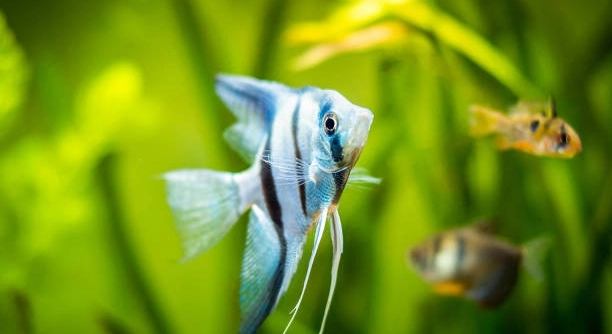
Angelfish are popular aquarium pets known for their beauty and grace. However, it can be concerning when they don’t socialize well with other fish in the tank. Understanding the reasons behind this behavior can help you resolve the issue.
The main reason your angelfish may not socialize with other fish is due to stress, territory issues, or incompatibility with tank mates. Factors such as water quality, overcrowding, or lack of hiding spots can also contribute to their isolation.
Learning about the common causes behind your angelfish’s behavior will give you the tools to create a more harmonious environment.
Stress and Anxiety
Stress can have a big impact on an angelfish’s behavior. When fish feel stressed, they may retreat to corners of the tank or avoid socializing with others. There are many reasons why your angelfish might feel this way. A sudden change in the environment, loud noises, or even changes in water temperature can make them feel uneasy.
Fish that feel stressed often stay alone in hiding spots. They may be more prone to aggression or simply not interact with others. It’s important to keep their environment calm and stable to help them feel safe.
If you notice that your angelfish isn’t interacting with others, try to assess the conditions of the tank. Sometimes, adding plants, rocks, or decorations can create hiding spaces that help your fish feel more secure. Regular water changes and maintaining the proper temperature and pH levels are essential to reduce stress. A calm and clean environment will help your angelfish thrive and become more social.
Incompatible Tank Mates
Fish species have different personalities, and some just don’t mix well together. Angelfish are peaceful but can be territorial. If your other fish are too aggressive, your angelfish may avoid interaction.
Choosing tank mates carefully is crucial to creating a peaceful community. Fish that are too aggressive can make your angelfish feel threatened. Adding peaceful, similar-sized fish that don’t compete for food or space helps reduce stress.
Angelfish also do better with fish that have a similar temperament. For instance, smaller or fin-nipping species may upset them. It’s important to balance the types of fish in your tank, as certain species can stress out or even harm angelfish. You may need to adjust the tank setup or even consider changing the fish if the issue persists.
Territory Issues
Angelfish are known to be territorial, especially during breeding times. When an angelfish claims a spot, it may defend it against other fish, making the tank seem less inviting for socializing. These territorial behaviors can cause other fish to stay away, as they feel unwelcome.
During breeding, angelfish can become particularly aggressive, guarding their territory and showing less interest in other fish. This is a natural behavior, but it can limit their social interaction.
To help reduce territorial issues, it’s best to ensure your tank has enough space for all your fish. Adding plants, rocks, and other structures can create plenty of hiding spots and personal space for each fish. If you notice constant aggression, you might need to rearrange the tank setup to minimize territorial conflicts.
Water Quality and Parameters
Water quality plays a huge role in your angelfish’s health and behavior. Poor water conditions can cause stress and make it harder for your fish to feel comfortable interacting with others. Angelfish prefer clean, well-maintained water with specific temperature and pH levels.
If the water quality isn’t up to par, your angelfish may isolate itself and not interact with other fish. Consistently checking the water parameters for ammonia, nitrate, nitrite, and pH is essential. Poor water conditions can also weaken the immune system of your fish, making them more susceptible to diseases.
Maintaining high water quality will help your angelfish feel comfortable and healthy. Regular water changes, proper filtration, and avoiding overcrowding will ensure the water stays clean. This reduces the likelihood of health issues and helps your fish be more active and social. Ensuring your tank’s water quality remains stable is one of the most important factors in keeping your angelfish engaged with other fish.
Overcrowding in the Tank
Overcrowding is a common issue that can make your angelfish feel stressed. Too many fish in a small tank lead to competition for space, food, and oxygen. This can make your angelfish isolate itself from others.
A cramped tank is not only stressful but also unhealthy for fish. With limited swimming space, your angelfish may become more territorial and less likely to interact with others. This can lead to aggression or anxiety, which discourages socializing. To prevent overcrowding, ensure your tank is large enough for the number of fish you have.
The general rule is to provide about 10 gallons of water per angelfish, but this may vary depending on other species and tank setup. Regularly checking your tank’s size and the number of fish is essential to keep your angelfish comfortable and reduce stress. If overcrowding is an issue, consider upgrading to a larger tank or finding new homes for excess fish.
Illness or Injury
If your angelfish isn’t socializing, it could be sick or injured. Fish that are unwell often isolate themselves because they feel vulnerable. An illness may cause lethargy or a loss of appetite, which prevents interaction with other fish.
To help your angelfish, check for signs of illness, such as abnormal swimming patterns, discoloration, or visible wounds. If you notice these symptoms, it’s crucial to separate the sick fish from others to prevent the spread of any potential disease. You can treat the illness in a quarantine tank.
Make sure the water quality is optimal to support healing. Providing a calm environment with low stress is key for recovery. Once your angelfish is healthy again, it will likely return to its socializing habits with its tank mates. Always monitor the behavior of your fish closely to spot any issues early.
Water Temperature Issues
Angelfish prefer stable water temperatures between 76°F and 82°F. If the water is too cold or too warm, it can cause stress and affect their behavior. Angelfish might withdraw from others to cope with discomfort.
Make sure your aquarium heater is working properly. Use a reliable thermometer to check the water temperature regularly. If the water fluctuates too much, your angelfish may feel stressed and avoid socializing. Keeping the temperature consistent will help your angelfish stay active and engaged with other fish in the tank.
Lighting Problems
Lighting can affect your angelfish’s behavior. If the tank is too bright or dark, it can make your fish feel insecure. Angelfish need a balance of light to feel comfortable.
Too much light can cause them to hide, while too little can lead to stress. Aim for a moderate light cycle, about 10-12 hours a day. Adjust the tank’s lighting as needed to help your fish feel at ease. This will encourage them to explore the tank and interact with other fish.
Poor Diet
A poor diet can contribute to your angelfish not socializing. Angelfish need a balanced, varied diet to stay healthy and active. Without proper nutrition, they may become lethargic and lose interest in interacting with other fish.
Offer a mix of high-quality flakes, pellets, and occasional live or frozen foods to meet their nutritional needs. A well-fed angelfish is more likely to engage with others in the tank. Regular feeding schedules also help maintain a stable environment, allowing your angelfish to thrive.
FAQ
Why is my angelfish staying at the bottom of the tank?
If your angelfish is staying at the bottom of the tank, it may be stressed, sick, or dealing with poor water quality. Angelfish often seek refuge at the bottom when they feel unwell or are trying to escape stronger currents. Check the water parameters and ensure the tank isn’t overcrowded. It’s also worth observing for signs of illness, such as lethargy or discoloration, which could explain their behavior.
Can angelfish live with other types of fish?
Yes, angelfish can live with other types of fish, but they are best kept with peaceful, non-aggressive species. They tend to do well with other medium-sized, calm fish like tetras, gouramis, and corydoras. However, avoid keeping them with smaller fish that might be nipped at or aggressive species that could stress them out. Always research potential tank mates before adding them to ensure compatibility.
How can I reduce aggression in my angelfish?
Aggression in angelfish can be reduced by ensuring they have enough space in the tank, a balanced environment, and peaceful tank mates. If aggression continues, consider separating aggressive fish or rearranging tank decor to break up territorial boundaries. Keeping the water quality high and avoiding overcrowding also helps reduce stress that can lead to aggression.
What can I do if my angelfish is not eating?
If your angelfish isn’t eating, the first thing to check is the water quality. Poor water conditions can make fish lose their appetite. Also, consider the type of food you’re offering. Angelfish are omnivores and may need a varied diet, such as flakes, pellets, and occasional live or frozen food. If the problem persists, check for signs of illness, as not eating could be linked to a health issue.
Is it normal for my angelfish to hide all the time?
Hiding is natural behavior for angelfish if they feel stressed, sick, or insecure. If your angelfish is constantly hiding, it may be due to poor water conditions, territorial issues, or the presence of aggressive tank mates. Make sure the tank is large enough, and the water is clean and stable. Providing plenty of plants, rocks, and hiding spots can help reduce stress and make them feel more secure.
Why is my angelfish swimming upside down?
Swimming upside down can indicate a serious health issue such as swim bladder disorder. This condition affects the fish’s ability to maintain proper buoyancy. It can be caused by overfeeding, constipation, or physical injury. If your angelfish is swimming upside down, consider fasting it for a few days to see if that helps. If the problem persists, consult a veterinarian or aquatic specialist for proper treatment.
How do I know if my angelfish is stressed?
Stressed angelfish may exhibit behaviors such as hiding, darting around the tank, or staying in one spot for long periods. Their color may dull, and they might lose their appetite. Check for any changes in the tank environment, such as water quality, temperature, or tank mates, that could be causing the stress.
Do angelfish need a lot of space?
Yes, angelfish need a spacious tank to thrive. A minimum of 20 gallons is recommended for one angelfish, with an additional 10 gallons per extra fish. This space allows them to swim freely, reduces stress, and minimizes territorial behavior. A larger tank also helps maintain better water quality.
Why are my angelfish fighting with each other?
Angelfish, particularly males, may fight to establish dominance, especially during breeding. This is a natural behavior, but if it becomes excessive or violent, it may indicate overcrowding or incompatible tank mates. If fighting continues, try separating the aggressive fish or rearranging the tank to disrupt territorial boundaries.
Can I keep angelfish in a tank with live plants?
Yes, angelfish can live in a tank with live plants. In fact, they enjoy having plants in their environment as it provides hiding spots and reduces stress. However, be mindful that angelfish may nibble on delicate plants, so choose hardier plant species like Java fern or Anubias to withstand their grazing.
How often should I feed my angelfish?
Angelfish should be fed once or twice a day, depending on their age and activity level. It’s best to offer a variety of foods, such as flakes, pellets, and frozen or live food. Avoid overfeeding, as this can lead to water quality problems and health issues. Make sure to remove any uneaten food to keep the tank clean.
Can angelfish survive in cold water?
Angelfish are tropical fish and cannot survive in cold water. They thrive in water temperatures between 76°F and 82°F. If the water is too cold, they may become lethargic, stop eating, and become more susceptible to diseases. Always use an aquarium heater to maintain a stable and warm temperature for your angelfish.
Why does my angelfish chase other fish?
Angelfish may chase other fish due to territorial behavior, especially during breeding. They are more likely to become aggressive if they feel their space or resources are being threatened. Ensure your tank has enough room and hiding spots to help reduce conflict. If chasing becomes a problem, consider rearranging the tank or adding more fish to spread out the aggression.
Do angelfish get along with bettas?
Angelfish and bettas generally do not get along well. Bettas are known for their aggressive behavior, especially towards fish with long, flowing fins. Angelfish have long fins, which may trigger the betta’s aggression. It’s best to avoid keeping these species together, as they may fight, leading to stress and injury.
What should I do if my angelfish is acting lethargic?
Lethargy in angelfish can be a sign of poor water quality, illness, or stress. First, check the water parameters for ammonia, nitrate, and nitrite levels, and make sure the temperature is stable. If the water quality is fine, observe for any other signs of illness, like discoloration or abnormal swimming. If the behavior persists, consult an aquatic veterinarian.
Final Thoughts
Angelfish are beautiful and graceful creatures that can make a wonderful addition to any aquarium. However, when they are not socializing with other fish, it can be concerning. There are various reasons why your angelfish might not be engaging with other fish, and understanding these reasons is key to resolving the issue. Stress, territorial behavior, water quality, overcrowding, and even the compatibility of tank mates can all play a part in your angelfish’s social behavior. It’s important to keep an eye on these factors and make adjustments when needed to ensure your fish are comfortable and healthy.
If your angelfish is not interacting with other fish, the first thing to check is the environment. Make sure the water quality is good and that the tank is not overcrowded. Angelfish need plenty of space, both for swimming and for claiming their own territory. The tank should be equipped with places to hide and areas where fish can establish their own space without feeling threatened. If there are any aggressive tank mates, consider rehoming them or adding more peaceful species to balance out the environment. Creating a calm, stable environment will help reduce stress and encourage social behavior in your angelfish.
Lastly, keep in mind that angelfish, like all animals, can have unique personalities. Some might be more solitary by nature, while others may be more social. However, if your angelfish consistently avoids other fish or seems stressed, it’s a good idea to address any potential problems as soon as possible. Regular maintenance of water quality, proper feeding, and ensuring a peaceful tank setup will give your angelfish the best chance to thrive. By observing their behavior and making the necessary changes to their environment, you can help them feel safe and improve their social interactions.

Hello,
If you enjoy the content that we create, please consider saying a "Thank You!" by leaving a tip.
Every little bit helps us continue crafting quality advice that supports the health, happiness, and well-being of pets around the world, for pets of all shapes, sizes, and species.
We really appreciate the kindness and support that you show us!