
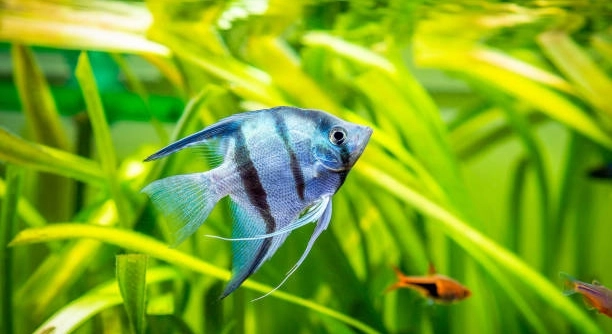
Angelfish are often admired for their beauty and peaceful nature. However, when they fail to respond to new tank mates, it can be frustrating. Understanding the causes behind this behavior can help improve their social interactions and ensure a healthier tank environment.
There are several reasons why your angelfish may not respond well to new tank mates. These can include territorial behavior, water quality issues, stress, incompatible tank mates, lack of hiding spaces, aggressive behavior from other fish, or the angelfish’s health status.
Understanding these factors will help you maintain a balanced tank environment and foster peaceful interactions between your angelfish and its new companions.
Territorial Behavior
Angelfish are known for being territorial, especially in smaller or overcrowded tanks. When a new fish enters their space, they may feel threatened and respond by acting aggressively or ignoring the newcomer. This is especially true if the tank doesn’t provide enough space for each fish to establish their own territory. Angelfish are also sensitive to changes in their environment. The introduction of new tank mates can cause them to feel anxious or stressed, leading to withdrawal or a lack of response.
To reduce territorial behavior, ensure that your tank is large enough for the number of fish it houses. Adding plenty of hiding spots and plants can give fish more room to retreat if they feel overwhelmed. This will allow each fish to find a space of their own, reducing competition and tension.
Fish that feel secure in their environment are more likely to interact peacefully with newcomers. By improving the setup and providing adequate space, you encourage positive interactions between your angelfish and their new tank mates.
Water Quality
Water quality is another key factor influencing your angelfish’s behavior. Poor water conditions can stress fish, leading to a lack of responsiveness towards new tank mates. Dirty or improperly balanced water can cause health issues, such as reduced immunity, making it difficult for the angelfish to interact normally. Regular water changes and proper filtration will help maintain clean water, which is essential for all fish. Healthy, stable water conditions encourage angelfish to be more active and engaged in their tank environment.
Poor water quality can trigger stress in angelfish, which may result in them avoiding or ignoring new arrivals. Test the water regularly to keep ammonia, nitrites, and nitrates at safe levels. This ensures a healthier tank, where the angelfish can thrive and interact with new tank mates. Proper maintenance is essential for both the fish’s well-being and fostering peaceful coexistence.
Stress and Anxiety
Stress and anxiety can cause angelfish to act distant and unresponsive towards new tank mates. Changes in their environment, such as adding new fish, can trigger these feelings. If the angelfish feels threatened or unsure about its surroundings, it may withdraw, leaving new arrivals ignored.
To reduce stress, it’s important to introduce new fish slowly. This allows the angelfish to adjust gradually to the change. Monitoring the tank’s environment regularly also helps prevent sudden shifts in water quality, temperature, or lighting that could heighten stress. A calm and stable environment supports healthier interactions between your fish.
Creating a peaceful atmosphere with minimal sudden changes helps your angelfish feel more secure. When they are not under stress, they are more likely to adjust to new tank mates and engage in healthier social behaviors. Be mindful of how you introduce new fish to avoid overwhelming your angelfish with too much change at once.
Incompatible Tank Mates
Incompatible tank mates can cause problems for angelfish, leading them to ignore new arrivals. Some species may be too aggressive or dominant, overwhelming the angelfish and making it difficult for them to coexist. If the new fish is too active or territorial, it can create tension in the tank.
When selecting new tank mates, consider the temperament and activity level of both species. Angelfish thrive in peaceful, slow-moving communities. Avoid pairing them with overly aggressive or fast-swimming fish, as this can increase stress and lead to poor interactions. Compatibility between species is crucial for maintaining a harmonious tank.
Choosing the right fish to add to the tank is essential for promoting positive interactions. By ensuring the new tank mates have similar needs and temperaments, you can prevent aggression and encourage peaceful cohabitation. This reduces the likelihood of the angelfish being overwhelmed or ignoring its new companions.
Lack of Hiding Spots
Angelfish feel safer when they have hiding spots to retreat to. Without these areas, they may feel exposed and stressed, leading to withdrawal. This lack of security can cause them to avoid interacting with new tank mates.
To resolve this, add plants, rocks, or decorations that create hidden spaces. These areas allow the angelfish to retreat when feeling threatened or stressed. The presence of hiding spots will provide the angelfish with the space to adjust to new arrivals at their own pace.
Providing these hiding spots gives your angelfish the confidence to explore and interact more freely with other fish. The more secure they feel, the better they will adjust to their new tank mates.
Aggressive Behavior From Other Fish
Aggression from other tank mates can make your angelfish act unresponsive to newcomers. If another fish is consistently displaying dominance or territorial behavior, the angelfish may retreat. This could result in the angelfish ignoring or avoiding the new fish.
In these cases, it’s important to observe the behavior of the aggressive fish. If the issue persists, consider separating the aggressive fish or rearranging the tank layout to disrupt established territories. Ensuring all fish are well-fed and not competing for resources can also reduce aggression.
By managing aggressive behavior effectively, your angelfish will feel less threatened and more likely to adjust to the new additions in the tank.
Health Issues
If your angelfish is unwell, it may not respond well to new tank mates. Health problems can make fish more withdrawn, and a sick angelfish may avoid interaction. This behavior could stem from infection, parasites, or other underlying health concerns.
Monitor your angelfish for signs of illness, such as changes in swimming patterns, color, or appetite. Treat any health issues promptly to avoid further stress and ensure the fish can return to its normal social behavior. Keeping the tank environment clean and providing proper nutrition can prevent illnesses from arising.
FAQ
Why is my angelfish ignoring its new tank mates?
Angelfish may ignore new tank mates for a variety of reasons. Territorial behavior is a common factor, especially if the angelfish feels its space is being invaded. Stress, poor water quality, incompatible tank mates, or a lack of hiding spots can also contribute to this behavior. Ensuring a peaceful and well-maintained environment can help reduce stress and improve interactions.
How can I help my angelfish adjust to new tank mates?
To help your angelfish adjust to new tank mates, introduce them slowly. Use a quarantine tank if possible, allowing the new fish to get used to the environment before introducing them to the main tank. Provide plenty of hiding spots for the angelfish to retreat to if it feels stressed. Ensuring water quality is optimal and monitoring for signs of aggression can also ease the adjustment process.
What are the signs of stress in an angelfish?
Stress in an angelfish can manifest in various ways. Common signs include swimming erratically, hiding constantly, a lack of appetite, or color fading. The fish may also become more aggressive or withdrawn. If your angelfish is showing any of these signs, it’s important to check water quality, tank conditions, and potential sources of stress.
Can water quality affect how my angelfish interacts with other fish?
Yes, poor water quality can negatively impact your angelfish’s behavior. If the water parameters, such as pH, temperature, and ammonia levels, are out of balance, your angelfish may become stressed and less likely to interact with new tank mates. Regular water changes and proper filtration are key to maintaining a healthy tank environment.
What type of tank mates are best for angelfish?
Angelfish are peaceful but can be territorial. Ideal tank mates include other peaceful fish that are not too small or overly aggressive. Fish like tetras, gouramis, and other similar-sized species tend to do well with angelfish. Avoid fast-swimming or overly aggressive species that could cause stress.
How do I know if my angelfish is sick or just stressed?
Sick angelfish may display symptoms such as clamped fins, abnormal swimming, or loss of color. They may also refuse to eat or appear lethargic. Stressed angelfish, on the other hand, may still eat and swim normally but could show signs of aggression or hiding. If the behavior is persistent and coupled with physical symptoms, it’s important to consider a potential illness and treat it accordingly.
What is the ideal tank size for angelfish?
Angelfish need ample space to thrive. A 20-gallon tank is the minimum size for a single angelfish, but larger tanks are always better, especially if you plan to keep multiple fish. The extra space reduces territorial conflicts and allows the fish to establish their own areas in the tank.
Can overcrowding cause angelfish to ignore new tank mates?
Yes, overcrowding can lead to stress and aggression, making it difficult for your angelfish to interact with new fish. When there are too many fish in a tank, they compete for space and resources, which can lead to anxiety and territorial behavior. Ensuring your tank isn’t overcrowded will help create a peaceful environment for all your fish.
How can I tell if my angelfish is being bullied by other fish?
If your angelfish is being bullied, it may constantly hide or swim erratically. It might also show signs of physical damage, such as fin nipping or wounds. If the angelfish is being chased by other fish or unable to establish its own space in the tank, bullying is likely occurring.
What are the best hiding spots for angelfish?
Angelfish feel safer with plenty of hiding spots. Adding plants, rocks, and decorations like caves or driftwood creates spaces for them to retreat to when feeling threatened. The more hiding spots you provide, the more secure your angelfish will feel, which can reduce stress and improve their response to new tank mates.
How do I prevent my angelfish from becoming too territorial?
To prevent territorial behavior, ensure the tank is large enough for your angelfish to establish a comfortable space. Adding plants, rocks, and other decorations will break up sightlines and provide hiding spots. Regular water changes and reducing stress factors in the tank also help maintain peaceful interactions between fish.
Final Thoughts
Angelfish can be sensitive to changes in their environment, especially when new tank mates are introduced. It’s important to understand the different factors that may cause your angelfish to ignore or avoid the new fish. Stress, aggression, and incompatible tank mates are some of the common reasons behind this behavior. Ensuring a stable, peaceful tank environment is key to helping your angelfish adjust. This means monitoring water quality, temperature, and providing hiding spots for your angelfish to feel secure.
When introducing new tank mates, proceed with caution. Gradually acclimate the new fish to the tank to avoid overwhelming your angelfish. This can be done by using a quarantine tank first or by ensuring that the new fish are compatible in terms of size, temperament, and behavior. Avoid adding fish that are overly aggressive or fast-moving, as they can stress out the angelfish. Choosing tank mates that share similar needs and behavior can help minimize conflict and create a harmonious environment.
Ultimately, keeping your angelfish healthy and happy depends on creating the right conditions. Take the time to monitor the tank regularly, maintain proper water quality, and observe the behavior of all fish. Patience is essential when introducing new tank mates, as the adjustment period can vary. By following these steps, you can help your angelfish feel more comfortable and promote positive interactions with new additions to the tank.

Hello,
If you enjoy the content that we create, please consider saying a "Thank You!" by leaving a tip.
Every little bit helps us continue crafting quality advice that supports the health, happiness, and well-being of pets around the world, for pets of all shapes, sizes, and species.
We really appreciate the kindness and support that you show us!