
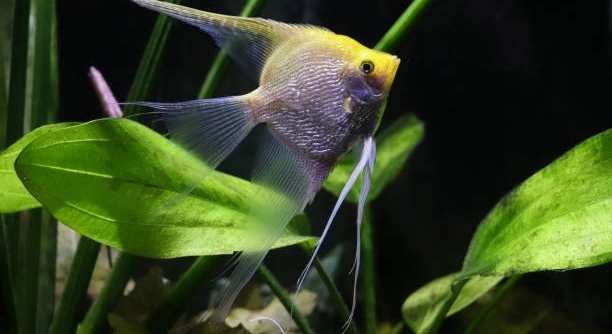
Angelfish are known for their graceful movements and vibrant colors. However, some aquarium owners may notice their angelfish not reacting to their reflection as expected. This behavior can be puzzling and may require deeper understanding.
Angelfish not recognizing their reflection can be due to factors such as their lack of self-awareness, stress, or the angle of reflection. They may also be distracted or intimidated by their environment, causing a non-reactive behavior towards their reflection.
Understanding these factors can help you better assess your angelfish’s behavior. By addressing potential causes, you can ensure your fish feel comfortable and secure in their aquatic environment.
Lack of Self-Awareness in Angelfish
Angelfish, like many other fish, do not possess the ability to recognize themselves in a reflection. They often perceive their reflection as another fish, rather than recognizing it as themselves. This lack of self-awareness means they may ignore the reflection or show no interest, as they don’t perceive it as anything significant.
This behavior is not unusual for fish, as they primarily rely on their instincts and natural surroundings to navigate their environment. Their reactions are driven more by external stimuli than self-recognition.
While this may seem odd, it’s simply how these fish interact with their environment. Angelfish are more concerned with physical space, food, and other fish around them than understanding reflections. Therefore, you can expect minimal engagement with their image in the glass or aquarium surface.
Environmental Stress Factors
Angelfish may not engage with their reflection if they feel stressed or threatened in their environment.
Stress can come from various sources, including tank mates, water quality, or even sudden changes in their surroundings. These factors affect the angelfish’s comfort level, which in turn impacts their behavior. A stressed angelfish is more likely to focus on its immediate surroundings or retreat to a hiding spot rather than engage with its reflection.
A peaceful and stable environment is crucial for angelfish to feel secure enough to exhibit natural behaviors. If your angelfish seem to ignore their reflection, it may be a sign that something in their habitat is causing them stress. Checking the water parameters and ensuring tank mates are compatible can make a difference. Creating a stress-free environment will allow your angelfish to feel more comfortable and possibly interact with their reflection in time.
Tank Setup and Reflection Angles
The setup of your aquarium can influence how well your angelfish can see their reflection. If the tank is placed in an area with lots of distractions, like near windows or under bright lights, it could affect the angle at which the fish see their reflection.
Angelfish are more likely to notice their reflection in clear, still water with little disturbance. The glass or surface of the tank plays a major role in how visible the reflection is. If the surface is often rippling or the water is murky, the reflection may not be as clear or noticeable to your angelfish.
Ensuring that your tank is in a calm, consistent spot will give your fish the opportunity to notice their reflection more clearly. Additionally, positioning the tank in an area that minimizes visual distractions can help them focus more on their environment. This could lead to a higher likelihood of them recognizing their image in the glass.
Tank Lighting and Reflection Visibility
The lighting in your aquarium can significantly impact how your angelfish interact with their reflection. Poor or overly bright lighting can distort the way the reflection appears, making it harder for the fish to recognize it.
Angelfish are sensitive to light, and certain types of lighting can create reflections that are either too faint or too glaring. Inconsistent lighting can confuse the fish, making it difficult for them to notice their reflection. Ideally, aquarium lighting should be soft and even to reduce excessive glare and ensure the reflection is visible but not overwhelming.
To help your angelfish become more aware of their surroundings, consider adjusting the lighting. This can help provide a clearer image of their reflection and create a more natural viewing experience for them. Regularly checking the light intensity and placement ensures that it is optimal for the fish’s behavior.
Angelfish Behavior and Social Dynamics
Angelfish are social creatures and may be more focused on interactions with other fish than on their own reflection.
If the tank has other fish, your angelfish may prioritize social dynamics over engaging with their reflection. They may perceive the other fish as more important, focusing on group behavior or territorial instincts. Even without recognizing their reflection as themselves, they may behave more interactively around other fish, considering them as potential companions or rivals.
Keeping the tank population in mind is essential. If you notice your angelfish ignoring their reflection, it may simply be due to their natural focus on more immediate social cues. In these cases, ensuring a balance in tank mates can foster the environment needed for your angelfish to feel both secure and engaged.
Water Quality and Reflection Perception
Water quality plays a crucial role in how your angelfish experience their environment, including the way they see reflections. Poor water conditions can affect their vision and general well-being.
Fish that are exposed to poor water quality may show changes in behavior, such as reduced interaction with their surroundings. The clarity of the water can influence how well the reflection appears. If the water is cloudy, the reflection may be distorted or hard to notice. Maintaining good water quality will not only improve your angelfish’s health but also ensure clearer reflection visibility.
Behavior Changes Due to Age
As angelfish age, their behavior can change, and they may become less reactive to stimuli such as reflections.
Older angelfish may have less energy or interest in activities that once seemed engaging. They are likely to focus on their immediate environment, such as food and territory, rather than interacting with a reflection. Over time, this shift in priorities is normal and should not be a cause for concern.
Age-related changes in behavior can affect how your angelfish respond to visual stimuli like their reflection. As they mature, the fish may seem less curious about their surroundings, including any reflections that appear in the tank.
Tank Size and Space Constraints
The size of your aquarium can influence how your angelfish react to their environment. A cramped tank may stress the fish, making them less likely to notice or interact with reflections.
A larger tank gives your angelfish more room to swim and explore. It also helps them feel more secure, reducing stress. In a confined space, angelfish may be more focused on navigating limited territory and avoiding contact with other fish. The less they feel pressured, the more likely they are to engage with their reflection, as they can concentrate on their environment without feeling restricted.
FAQ
Why do angelfish ignore their reflection?
Angelfish often ignore their reflection because they lack self-awareness. Fish do not have the cognitive ability to recognize themselves in mirrors or reflective surfaces. Instead, they may perceive their reflection as another fish, but this doesn’t trigger a strong response. Angelfish focus more on their immediate surroundings, such as potential food, mates, or tankmates, than on the reflection in the glass.
Can angelfish be stressed by their reflection?
Yes, angelfish can become stressed by their reflection, especially if they perceive it as a threat or rival. Constantly seeing their own reflection may cause the fish to become territorial or overly cautious, leading to stress. It is important to monitor their behavior closely if they seem agitated around reflective surfaces.
Is it normal for angelfish to act differently around their reflection?
It is normal for angelfish to act indifferently or confused when encountering their reflection. Unlike some animals, fish do not have the ability to recognize themselves. Their behavior might vary from ignoring the reflection to becoming more alert, but it’s often not a sign of a problem unless stress is observed.
How can I reduce stress caused by reflections in the tank?
To reduce stress caused by reflections, you can modify the tank’s setup. Consider adjusting the lighting or placing the tank in a location where reflections are minimized. Additionally, adding plants or decorations to block direct reflections can help your angelfish feel more secure and less stressed.
Should I worry if my angelfish doesn’t react to its reflection?
There is no need to worry if your angelfish doesn’t react to its reflection. Angelfish may simply not see it as significant. As long as your fish is healthy, active, and eating well, the lack of response to its reflection is likely a natural behavior.
How do I know if my angelfish is stressed by its reflection?
Signs of stress in angelfish may include erratic swimming, excessive hiding, loss of appetite, or aggressive behavior toward their reflection. If your fish appears to be constantly darting around the tank or avoiding the area where the reflection is most prominent, it could be a sign of stress.
Can water quality affect how angelfish see their reflection?
Yes, poor water quality can affect the clarity of the tank water, making reflections harder to see. Murky or cloudy water reduces the sharpness of reflections, meaning your angelfish may not even notice it. Regular water changes and proper filtration will help maintain clear water and improve visibility for your fish.
Do angelfish get more curious about their reflection over time?
It’s possible that an angelfish could become more curious about its reflection as it matures, but this is not always the case. Most angelfish remain indifferent or only briefly interact with their reflection. If they do become more curious, it is likely due to environmental changes or stress levels.
Is there a way to train my angelfish to recognize its reflection?
Training an angelfish to recognize its reflection is not typically effective. Since angelfish do not have the cognitive ability to understand self-reflection, they are unlikely to learn to recognize themselves. Instead, focus on creating an environment where your fish feels safe and comfortable, which will encourage healthy behavior.
Can tank mates influence how an angelfish reacts to its reflection?
Tank mates can influence an angelfish’s behavior, including how it reacts to its reflection. If the fish feels threatened or crowded by other tank mates, it may become less focused on its reflection and more concerned with defending its space or maintaining social hierarchy. Ensuring proper tank size and compatible tank mates can help reduce this type of stress.
What type of tank setup is best for angelfish to feel comfortable?
A tank setup that mimics natural conditions is ideal for angelfish. This includes providing plenty of swimming space, soft lighting, and hiding spots with plants or decorations. Keeping the water clean and maintaining stable conditions, including temperature and pH, will ensure your angelfish feel safe. Regularly checking water quality and tank conditions is essential for their comfort.
Can poor tank conditions make angelfish avoid their reflection?
Yes, poor tank conditions can make angelfish avoid their reflection. If water quality is poor, or the tank feels overcrowded or stressful, the angelfish may be more focused on survival and less likely to notice or react to their reflection. Creating a stress-free environment with optimal conditions will encourage normal behaviors.
Should I place a mirror near my angelfish tank?
It is not recommended to place a mirror near your angelfish tank. Continuous exposure to a reflection can cause stress, especially if the fish view it as a rival. If you do decide to add a mirror, limit the exposure time to prevent excessive stress or territorial behavior.
How long does it take for angelfish to react to their reflection?
Angelfish may not ever truly react to their reflection, as they do not possess self-awareness. However, if they do notice the reflection, it may take a few moments of observation before they either lose interest or continue with their usual behaviors. Each fish’s response will vary depending on its temperament and the tank’s setup.
Final Thoughts
Understanding why your angelfish might not recognize their reflection involves a deeper look into their behavior, environment, and natural instincts. Angelfish, like many other species, do not possess the cognitive ability to recognize themselves in a mirror or glass. Their behavior around reflections is typically more about instinct and interaction with their surroundings than any self-awareness. It’s important to remember that fish do not interpret their environment in the same way humans do. While a reflection may seem like something to engage with, to the angelfish, it’s just another image in the water. This lack of recognition doesn’t indicate any health or behavioral issues, so there’s no need to worry if your angelfish doesn’t react to its own reflection.
In some cases, the reaction to reflections may be influenced by the quality of the tank’s environment. If water conditions are poor, fish may not be able to clearly see their reflection. In a tank with cloudy water, the image in the glass can become distorted, making it less likely for the fish to recognize it. This is why maintaining proper water quality is essential not only for the fish’s overall health but also for clear visibility. A clean, well-maintained tank helps your angelfish see their surroundings more clearly, including any reflections that might appear. Regular water changes, proper filtration, and maintaining the right water parameters will help your angelfish stay healthy and more likely to interact with their environment.
Ultimately, it’s important to consider that angelfish have their own ways of perceiving the world. Their reactions to their reflection might seem unusual or unimportant to us, but it’s simply how they function in their environment. Whether they notice their reflection or not, the most important thing is that they are comfortable and healthy in their tank. If your angelfish appear calm, active, and show no signs of stress, there’s no cause for concern. Providing them with a stable environment, proper care, and regular monitoring will ensure that they thrive, regardless of how they respond to reflections in the water.

Hello,
If you enjoy the content that we create, please consider saying a "Thank You!" by leaving a tip.
Every little bit helps us continue crafting quality advice that supports the health, happiness, and well-being of pets around the world, for pets of all shapes, sizes, and species.
We really appreciate the kindness and support that you show us!