
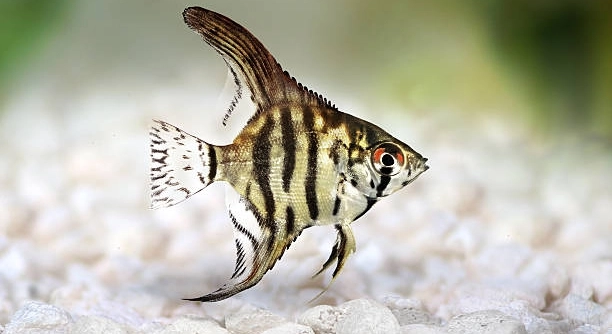
Is your angelfish acting normal but showing no signs of laying eggs, even though conditions seem just right in the tank?
Angelfish may not lay eggs due to stress, unsuitable water conditions, poor nutrition, young age, illness, or lack of a compatible mate. Identifying the specific cause is essential for improving breeding success in home aquariums.
By recognizing these common issues, you can better support your angelfish and create the right environment for healthy spawning behavior.
Poor Water Conditions
Water quality plays a big role in angelfish breeding. Dirty or unstable water can stop egg production completely. Angelfish need clean, warm water with stable pH and low ammonia and nitrate levels. Sudden changes in temperature or water hardness can stress them out, making it difficult for them to spawn. A slightly acidic to neutral pH (around 6.8 to 7.0), a temperature between 78°F and 82°F, and weekly water changes are important. If these levels are off, your angelfish might not feel safe enough to lay eggs. Even if they seem healthy, they may hold back until the environment feels right.
Always test your tank water regularly to avoid problems. Even small changes can affect breeding behavior.
Keeping conditions stable helps angelfish feel secure. Clean water, consistent temperatures, and balanced chemistry can encourage healthier behavior and improve their chances of laying eggs. A healthy environment makes a noticeable difference.
Stress in the Tank
Stress from aggressive tank mates, sudden noise, or frequent tank changes can delay or prevent egg laying. Angelfish prefer a calm, quiet tank with minimal disturbances and space to swim freely.
Stress isn’t always easy to notice, but it strongly affects breeding. Aggressive tank mates often cause anxiety, making angelfish hide or act skittish. A lack of hiding spots or crowded tanks can also contribute. Even lighting that’s too bright or erratic can play a role. Constant interruptions during breeding attempts make them less likely to follow through. It’s important to give your angelfish a peaceful space. Use soft lighting, keep the tank in a low-traffic area, and reduce loud noises around it. Provide plants or decorations for cover. Avoid unnecessary tank rearrangements during breeding times. If you notice one fish bullying another, separate them. Reducing stress can help bring back natural behaviors, including egg laying, as angelfish start to feel more secure.
Incompatible Pairing
Angelfish will not breed successfully if the pair is not compatible. Even if they seem bonded, they might not be ready to spawn together. Compatibility can affect behavior, trust, and egg-laying patterns between the male and female.
Some angelfish pairs simply do not form the bond needed for breeding. They may chase each other, nip fins, or avoid one another. Incompatible pairs may go through mating motions but never lay eggs. Observing behavior helps identify these issues early. A compatible pair usually stays close, cleans spawning surfaces together, and shows synchronized movement. If you see repeated failed attempts or signs of aggression, consider pairing them with different mates. It’s normal for angelfish to reject a partner, especially if they are forced together. Letting them choose their own mate often leads to better results. Ensuring compatibility can lead to more reliable breeding.
Swapping fish until a proper match forms can feel slow, but it helps in the long run. Give each new pairing time to settle. Monitor behavior and tank conditions carefully. If aggression escalates, separate them to prevent injury. It may take a few attempts to find a suitable match. Once bonded, angelfish can spawn consistently under the right conditions.
Poor Nutrition
Lack of proper nutrition can prevent egg production in female angelfish. A diet missing essential nutrients may cause weak or delayed reproductive cycles. Balanced feeding is important when preparing angelfish for spawning.
A varied diet gives angelfish the energy and nutrition they need to develop eggs. Relying only on flakes or pellets might not provide enough protein, fats, and vitamins. Include live or frozen foods like bloodworms, brine shrimp, or daphnia to improve health and stimulate breeding. Feed them smaller amounts multiple times a day instead of large meals once daily. Conditioning both the male and female with high-quality foods can improve bonding and increase spawning chances. Also, overfeeding can cause water issues, so keep portions controlled. A well-fed angelfish shows better color, stronger behavior, and more consistent spawning activity. Make gradual dietary changes to avoid digestive stress. Proper nutrition supports reproductive health and overall wellbeing in breeding pairs.
Immaturity or Old Age
Young angelfish may not lay eggs until they are fully mature, which usually takes six to twelve months. Their bodies need time to develop, and early attempts may not lead to successful spawning.
Older angelfish may also stop laying eggs as their reproductive systems slow down. Age can reduce fertility and motivation.
Hidden Spawning or Egg Eating
Sometimes angelfish lay eggs without you noticing. They may spawn in hidden spots or eat the eggs quickly. First-time parents often eat their eggs out of stress or confusion. Providing a quiet space and separating them can help prevent this and improve success in future attempts.
Underlying Illness
Undetected illness can cause reproductive delays. Parasites, bacterial infections, or internal issues can affect hormones and energy levels. Sick angelfish may appear tired, hide more often, or stop eating. A healthy immune system is important for breeding. Treat visible symptoms and monitor their behavior to help restore normal activity.
FAQ
How often do angelfish lay eggs?
Angelfish can lay eggs every 7 to 10 days when conditions are right. Once they start breeding, the female may produce eggs regularly, especially if paired with a compatible male and kept in a stress-free environment. However, the frequency depends on age, health, and water quality. Younger or first-time breeders may have longer gaps between spawnings. Regular feeding, proper water conditions, and stable temperatures help encourage consistency. If egg laying stops suddenly, check for stressors, illness, or environmental changes that could have disrupted their cycle.
How can I tell if my angelfish is about to lay eggs?
Signs include cleaning a flat surface, staying close to a chosen spot, and increased bonding behavior between the pair. The female may look rounder or slightly bloated as the eggs develop. The male usually follows her closely and may begin cleaning the same area. They often chase away other fish from the spawning site. These behaviors can continue for a day or two before the female lays her eggs in neat rows. Once you see this, it’s best to avoid disturbing the tank to prevent stress.
Can angelfish lay eggs without a male?
Yes, female angelfish can lay eggs without a male, but the eggs will not be fertilized. These eggs usually turn white and develop fungus within a few days. If a female continues laying unfertilized eggs, it may be due to hormonal cycles or environmental triggers. Without a male, the eggs won’t develop into fry. If you’re trying to breed angelfish, both a male and female must be present, and they must be compatible. A bonded pair will display synchronized cleaning and spawning behavior before egg laying.
Why do my angelfish keep eating their eggs?
This is common, especially with first-time parents. Angelfish may eat their eggs out of stress, fear, or confusion. If the tank is too busy or noisy, they may not feel safe enough to protect the eggs. It can also happen if they sense the eggs are unhealthy. Over time, experienced pairs often learn to guard their eggs. To prevent egg-eating, reduce traffic near the tank, dim the lighting, and provide hiding spaces. Some breeders choose to remove the eggs and incubate them separately to increase survival rates.
How do I improve breeding conditions in my tank?
Start with clean water, stable temperatures around 78°F to 82°F, and a pH between 6.8 and 7.0. Perform regular water changes and avoid harsh lighting. Use a sponge filter for gentle water flow, and place broad leaves or vertical surfaces for spawning. Feed a varied, protein-rich diet with frozen or live foods like bloodworms or brine shrimp. Limit disturbances around the tank, and avoid placing aggressive species in the same space. A peaceful, clean environment helps encourage natural breeding behavior and supports healthy egg development.
How can I tell if my angelfish pair is compatible?
Compatible pairs spend time together without showing aggression. They swim side-by-side, clean spawning areas together, and often remain close. They usually don’t nip or chase each other aggressively. If your angelfish constantly fight, avoid each other, or one fish dominates, they may not be a good match. Sometimes it takes trial and error to find the right pair. Letting angelfish choose their own mate from a small group often leads to more successful and peaceful breeding. A bonded pair tends to breed more often and take better care of their eggs.
Is it okay to move angelfish after they’ve laid eggs?
It’s best not to move them right after egg laying. Angelfish can become stressed if relocated too soon, which may lead them to abandon or eat their eggs. If you must move them, wait until after they’ve finished spawning and settled. Alternatively, move the eggs carefully to a separate breeding tank with the same water parameters. Use a clean, soft tool to avoid damaging the eggs. Keep lighting low, and use a sponge filter to avoid strong currents. If the pair is used to the setup, minimal disruption is usually best.
Final Thoughts
Angelfish are known for their beauty and unique behavior, but breeding them successfully can take time and patience. When your angelfish are not laying eggs, it’s often a sign that something in their environment or health needs attention. Poor water conditions, stress, improper diet, or even incompatible pairing can all play a role. Young or aging angelfish may also have trouble laying eggs consistently. Recognizing the signs early can help you make changes before the problem becomes more serious. Keeping a close eye on their behavior and making small adjustments to their care setup can make a big difference over time.
Providing a clean and quiet tank, offering a balanced and protein-rich diet, and ensuring stable water parameters are all essential parts of successful breeding. Sometimes, angelfish pairs take a while to bond and may go through a few unsuccessful spawning attempts before settling into a rhythm. Even if they lay eggs, those eggs may be eaten at first, especially if the pair is inexperienced or stressed. Learning what works best for your specific fish is part of the process. Some pairs thrive in a community tank, while others do better when given their own space to spawn without disturbance.
If your angelfish continue to avoid spawning, take a step back and review each element of their care. Adjust lighting, feeding, and filtration if needed. Try not to rush the process or expect instant results. Fish need consistency, safety, and good health to breed reliably. Be patient and give them the time they need. Every pair is different, and it can take a few weeks or even months to see steady progress. With careful observation and basic care, most angelfish will eventually begin laying eggs and may even become regular breeders in a stable and healthy tank.

Hello,
If you enjoy the content that we create, please consider saying a "Thank You!" by leaving a tip.
Every little bit helps us continue crafting quality advice that supports the health, happiness, and well-being of pets around the world, for pets of all shapes, sizes, and species.
We really appreciate the kindness and support that you show us!