
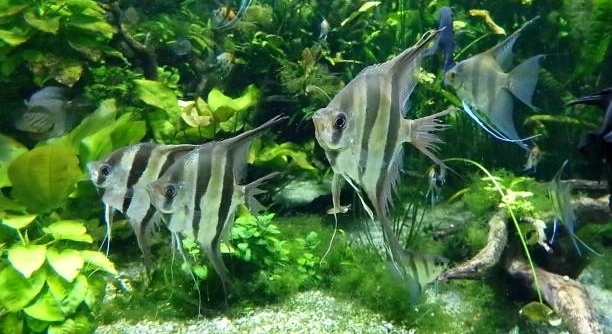
Angelfish are a popular choice for many aquarium enthusiasts, but their growth can sometimes be slower than expected. Several factors can impact their development, and understanding these will help you take better care of your fish.
The main reason your angelfish is not growing is typically due to improper tank conditions, poor nutrition, or stress. Inadequate water quality, insufficient space, and the wrong diet can all hinder growth. Addressing these factors is crucial for your angelfish’s health.
Learning how to avoid these common mistakes will ensure your angelfish grows into a healthy and thriving fish.
Poor Water Quality
Water quality plays a major role in your angelfish’s growth. If the water is dirty or has high levels of ammonia, nitrites, or nitrates, your fish won’t thrive. A lack of proper filtration and frequent water changes can lead to stunted growth. Angelfish need clean, well-filtered water to stay healthy and grow at a normal pace. Test your water regularly and ensure it stays within the ideal parameters for angelfish, such as a pH of 6.8-7.8 and a temperature range of 76-82°F. Water that is too warm or cold can also cause stress and slow growth.
You should invest in a good filtration system and aim to change 25-30% of the water every week. This will help maintain water quality and prevent the accumulation of harmful substances.
Without regular maintenance, harmful bacteria and toxins build up, impacting your fish’s overall health and slowing down their growth rate. Keeping the water clean is one of the most effective ways to keep your angelfish thriving.
Inadequate Tank Size
If your tank is too small, it could limit your angelfish’s growth potential. A cramped space leads to stress, which affects their overall health and size. They need room to swim and explore.
A 20-gallon tank is the minimum recommended for a single angelfish. Larger tanks will help prevent overcrowding, allowing for proper growth. In addition, a larger tank helps maintain more stable water conditions.
Without enough space, your angelfish may not reach its full size or grow properly. Stress from cramped quarters weakens its immune system and makes it more vulnerable to diseases. Proper tank size is a simple but essential factor in promoting healthy growth.
Poor Nutrition
Angelfish need a varied diet to grow properly. If their food lacks essential nutrients, it can affect their development. They require high-quality flakes, pellets, and occasional live or frozen foods to get the proteins, fats, and vitamins they need.
Feeding them the same food daily can lead to deficiencies. Include a mix of food types to ensure your angelfish gets all the nutrients it needs. Overfeeding or underfeeding can also stunt their growth. Stick to a feeding schedule, offering small portions once or twice a day.
A well-balanced diet supports strong growth and a healthy immune system. It’s crucial to avoid feeding them only one type of food, as this can limit their nutritional intake. Proper feeding habits will help your angelfish grow faster and healthier.
Stress from Aggression
Angelfish are territorial, especially when it comes to mating or establishing their space. If your fish feels threatened by tank mates, it can cause stress, which stunts its growth. A peaceful tank environment promotes healthy fish development.
To reduce aggression, make sure your tank is well-planted with plenty of hiding spots. Angelfish feel more secure in a space where they can retreat when needed. Avoid keeping them with overly aggressive species or too many other fish.
Maintaining a peaceful environment helps keep your angelfish from being stressed. This, in turn, prevents growth issues and helps them develop into full-sized, healthy fish.
Overcrowding
Overcrowding in the tank can lead to poor growth for your angelfish. Too many fish in a small space causes competition for food and oxygen, which can stress your angelfish and stunt its growth.
Make sure your tank has enough space for each fish to swim freely. A crowded tank can also cause poor water quality, further hindering growth.
When stocking your tank, always consider the size of your fish and the tank capacity. Keep in mind that angelfish can grow quite large, so plan for their future size when deciding how many fish to keep.
Inconsistent Water Temperature
Angelfish need a stable water temperature to thrive. Sudden temperature changes can stress them and slow their growth. The ideal temperature range for angelfish is 76-82°F.
Using a reliable aquarium heater can help maintain the proper temperature. Make sure to monitor the temperature regularly with a thermometer to ensure it stays consistent. Fluctuations can weaken your angelfish’s immune system, making it more susceptible to illness.
Without a stable temperature, your angelfish may become lethargic, lose its appetite, or struggle to grow. Keeping the water within the optimal range promotes healthy development and prevents stress.
Inadequate Lighting
Angelfish also need proper lighting to maintain a healthy environment. Poor lighting can disrupt their natural behaviors, including feeding and mating, which affects their overall growth.
Ensure that your tank has a lighting schedule with 10-12 hours of light per day. Excessive or insufficient light can create algae growth or make your angelfish feel stressed. Proper lighting helps regulate their day-night cycle and promotes well-being.
FAQ
Why is my angelfish not eating?
There are several reasons why an angelfish may not eat. Stress from poor water quality, aggression from tank mates, or changes in the environment can cause loss of appetite. It’s also possible that the fish is not adjusting to the food being offered. Make sure to check the water parameters and give your angelfish a variety of foods. Also, ensure the water temperature is consistent and the tank is peaceful.
Can I keep angelfish with other fish?
Yes, but it depends on the other fish. Angelfish are territorial, especially during mating. They do best with peaceful tank mates that won’t challenge them for space. Avoid aggressive species or smaller fish that might become targets. Make sure there’s enough room and hiding spots for everyone.
How long do angelfish live?
Angelfish can live for 10-15 years with proper care. The key to longevity includes maintaining water quality, providing the right diet, and keeping the tank environment stable. A healthy angelfish will grow steadily and thrive, giving it the best chance for a long life.
How often should I feed my angelfish?
Feed your angelfish once or twice a day. Overfeeding can lead to health problems, such as poor water quality and obesity. Offer small portions of high-quality flakes, pellets, and occasional live or frozen foods. A balanced diet will help with growth and overall health.
Can angelfish survive in cold water?
Angelfish are tropical fish and require warm water to thrive. The ideal temperature is between 76-82°F. Water that is too cold can stress the fish and stunt growth. If you’re keeping angelfish in an unheated tank, invest in a reliable aquarium heater to keep the water temperature consistent.
Do angelfish need a filter?
Yes, angelfish need a filter to keep the water clean. Filtration helps remove harmful toxins and waste that can accumulate in the tank. Make sure your filter is rated for the size of your tank. Clean and maintain the filter regularly to ensure proper function.
Why is my angelfish turning black?
Angelfish may turn black due to stress, poor water quality, or a disease. If the water parameters are off, it can cause changes in their coloration. Check the pH, ammonia, nitrite, and nitrate levels, and adjust as necessary. If the problem persists, it could be a sign of an illness, and you should consult an aquarium expert or veterinarian.
How can I encourage my angelfish to breed?
To encourage breeding, you need to provide a peaceful environment and stable water conditions. A breeding pair needs a flat surface, such as a rock or plant leaf, to lay their eggs. Increase the temperature slightly (within the recommended range) and ensure the water is clean. Once the pair bonds, they will start breeding.
Are angelfish aggressive?
Angelfish can be territorial, especially during breeding. They may chase or nip at other fish if they feel their space is threatened. However, they are not typically aggressive unless provoked. By providing enough space and avoiding overly aggressive tank mates, you can minimize the chance of aggression.
Can angelfish live with bettas?
It’s not recommended to keep bettas and angelfish together. Both species are territorial, and a betta may become aggressive toward an angelfish, especially during feeding or when protecting its space. It’s best to keep them in separate tanks or with compatible tank mates.
Why are my angelfish’s fins clamped?
Clamped fins are a sign of stress or illness in angelfish. This could be caused by poor water quality, parasites, or an infection. Check the water parameters and look for any other signs of illness, such as unusual swimming behavior or changes in appetite. If the issue persists, seek expert advice.
How can I tell if my angelfish is male or female?
It can be difficult to differentiate between male and female angelfish, especially when they are young. As they mature, males tend to have a slightly larger, more pronounced body and may develop a more prominent nuchal hump (a bump on their forehead). Females are typically smaller and rounder.
Can angelfish eat live food?
Yes, angelfish can eat live food, and it’s actually beneficial for their growth and health. Offer live or frozen foods like brine shrimp, bloodworms, or daphnia. These foods provide additional nutrients that can help your angelfish thrive. Just make sure the live food is clean and safe from parasites.
What should I do if my angelfish gets sick?
If your angelfish shows signs of illness, such as loss of appetite, abnormal swimming, or unusual coloration, it’s important to address the issue quickly. Start by checking the water quality, as poor conditions can often be the cause. If symptoms persist, consider quarantining the fish and seeking advice from an expert or a veterinarian.
Final Thoughts
Angelfish are beautiful, resilient creatures, but they require specific care to thrive and grow to their full potential. Many factors can influence their growth, from water quality and nutrition to tank environment and stress levels. Understanding and addressing these factors will not only help your angelfish grow but also ensure they live a long, healthy life. Proper tank conditions, a balanced diet, and a peaceful environment are key to promoting healthy development.
It is essential to regularly monitor your angelfish’s tank conditions, such as temperature, water chemistry, and cleanliness. Stable conditions help avoid stress, which can interfere with their growth. Overcrowding and aggression from other tank mates can also stunt their growth, so it’s important to maintain a balanced community in the tank. Providing plenty of hiding spaces and ensuring enough room for each fish will help prevent territorial issues and keep the fish relaxed.
In addition to providing proper tank conditions, be mindful of your angelfish’s diet. A well-rounded diet that includes a variety of foods will ensure they receive all the necessary nutrients for growth. It’s equally important to avoid overfeeding, as it can lead to poor water quality and health problems. By creating a suitable environment and addressing common mistakes, your angelfish can grow strong and healthy, providing enjoyment and beauty to your aquarium for many years.

Hello,
If you enjoy the content that we create, please consider saying a "Thank You!" by leaving a tip.
Every little bit helps us continue crafting quality advice that supports the health, happiness, and well-being of pets around the world, for pets of all shapes, sizes, and species.
We really appreciate the kindness and support that you show us!