
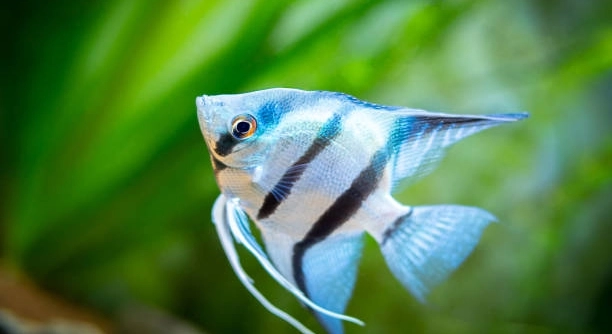
If your angelfish is not eating flakes, it can be concerning. This issue is not uncommon, and there are various reasons why your fish might be avoiding its food. Understanding the cause can help solve the problem.
Several factors could cause your angelfish to stop eating flakes. These may include water quality issues, incorrect food types, stress, or illness. It’s important to observe your fish closely and address potential causes for the lack of appetite.
By identifying and correcting the underlying issue, you can help your angelfish regain its appetite. Keep reading to learn the possible causes and the fixes that will encourage healthy eating habits for your fish.
Poor Water Quality
Water quality is one of the most common reasons why your angelfish may not be eating flakes. Angelfish are sensitive to water changes, and poor water conditions can lead to stress and loss of appetite. High ammonia, nitrite, or nitrate levels can affect the fish’s health, causing them to become lethargic or stop eating.
To maintain proper water quality, regularly check your tank’s ammonia, nitrite, and nitrate levels with an aquarium test kit. You should also clean the tank and replace 25-30% of the water every week. Additionally, ensure that your filtration system is working properly and that the temperature is within the ideal range of 76-82°F. If the water quality improves, your fish may begin eating again.
Addressing water quality is essential to the overall well-being of your fish. Regular maintenance and monitoring will keep your angelfish happy and healthy, which, in turn, will encourage them to eat flakes as they should.
Stress
Stress is another factor that can prevent your angelfish from eating. Angelfish can easily become stressed by changes in their environment, such as sudden tank relocations, new tank mates, or loud noises. Even a slight disturbance can make them stop eating.
To reduce stress, ensure your fish are in a stable, calm environment. Keep the tank in a quiet area away from excessive movement or noise. Provide plenty of hiding spaces, such as plants or decorations, so the fish can retreat if they feel threatened.
Incorrect Food Type
Angelfish can be picky about what they eat. If you’re offering flakes that don’t match their preferences, they may refuse to eat. Some fish may prefer other foods, such as pellets or live food.
Flakes are often not the most exciting food for angelfish, especially if the flakes are too large or hard. To encourage them to eat, try switching to a different type of food that is more appealing, like smaller pellets or frozen foods. You can also experiment with different flavors, such as brine shrimp or bloodworms. Keeping variety in their diet can help stimulate their appetite.
If your angelfish still refuses flakes, it may simply be that they do not enjoy them. Consider offering a mix of food types to keep them engaged and help them develop a healthy eating routine.
Illness
If your angelfish isn’t eating, it could be a sign of illness. Fish suffering from diseases like internal parasites, bacterial infections, or external wounds may lose their appetite. Infected fish are often lethargic and may show visible signs of distress.
Look for changes in behavior or appearance, such as faded colors, clamped fins, or abnormal swimming. If any of these signs are present, it’s important to isolate the fish and begin treatment as soon as possible. Consult an aquarium professional or veterinarian for advice on the appropriate course of action. Timely intervention can prevent the illness from worsening and help your angelfish recover.
Taking care of your angelfish’s health is crucial. Identifying illness early will allow for quicker treatment and ensure that your fish can get back to eating regularly.
Overfeeding
Overfeeding can lead to your angelfish not eating flakes. If the tank has excess food, it can create a poor feeding environment, making the fish feel less hungry. Fish may ignore food if they are already full.
Ensure that you’re not feeding your fish too much. Offer small amounts of food that they can consume within a few minutes. Remove any uneaten food promptly to prevent it from polluting the water. Regularly monitor the amount of food you’re giving to avoid overfeeding and maintain a healthy balance in the tank.
Temperature Fluctuations
Angelfish are sensitive to temperature changes. Sudden shifts in water temperature can cause stress and reduce their appetite. Fish thrive in a stable environment, and inconsistent water temperatures can interfere with digestion.
To maintain a consistent temperature, use a reliable heater and thermometer. The ideal range for angelfish is 76-82°F. Ensure that the heater is functioning properly, and avoid placing the tank in drafty areas or near windows where temperatures fluctuate. Keeping the water temperature steady will help your angelfish feel comfortable and encourage them to eat.
FAQ
Why is my angelfish ignoring its food?
There are several reasons why your angelfish may be ignoring its food. Stress, illness, or poor water quality are the most common causes. Make sure the water parameters are within the ideal range, the tank is clean, and the fish isn’t stressed. Additionally, check if the food type is appropriate for your angelfish, as they can be picky eaters.
Can my angelfish survive without eating for a few days?
Angelfish can survive without food for a short period, but it’s not ideal. Fish can go without food for up to a week, depending on their condition. However, this doesn’t mean it’s healthy for them. Regular feeding is essential for their well-being, and missing meals can weaken their immune system over time.
How often should I feed my angelfish?
Feed your angelfish once or twice a day. Offer only what they can consume in a few minutes, and avoid overfeeding. Overfeeding can lead to water quality issues and health problems. It’s better to feed smaller portions frequently than large portions at once.
What kind of food should I feed my angelfish?
Angelfish typically enjoy a variety of foods, including high-quality flakes, pellets, and frozen foods such as brine shrimp or bloodworms. It’s essential to provide a balanced diet, mixing different types of food to meet their nutritional needs. Be sure to choose food designed for tropical fish.
Could stress be affecting my angelfish’s eating habits?
Yes, stress can significantly impact your angelfish’s eating habits. Fish can become stressed by various factors such as sudden changes in their environment, overcrowding, or tank mates that are too aggressive. Make sure your angelfish is in a peaceful environment with stable conditions to minimize stress.
Is my angelfish sick if it isn’t eating?
Not necessarily, but illness is a possibility. If your angelfish is not eating and shows other symptoms, such as faded colors, unusual swimming patterns, or visible sores, it may be sick. Common conditions like internal parasites or bacterial infections can cause a loss of appetite. Observe your fish closely for other signs of illness.
Can water temperature affect my angelfish’s appetite?
Yes, water temperature can affect your angelfish’s appetite. Angelfish are sensitive to temperature changes. If the water is too cold or too hot, it can lead to stress and loss of appetite. Ensure the water temperature stays between 76-82°F for optimal health and feeding behavior.
Why is my angelfish not eating flakes but eating pellets?
Your angelfish may prefer pellets over flakes due to their texture or size. Some fish find pellets more appealing, while others may be more accustomed to them. If your angelfish is not eating flakes, try offering smaller-sized pellets or experimenting with different types of food to see what it likes best.
What should I do if my angelfish isn’t eating for several days?
If your angelfish hasn’t eaten for several days, it’s important to take action. Start by checking the water quality and making sure there are no issues with temperature, ammonia, or nitrate levels. If everything seems normal, observe the fish for signs of illness or stress. If the problem persists, consult an aquarium professional.
Could overfeeding cause my angelfish to stop eating?
Yes, overfeeding can lead to your angelfish ignoring food. If there is leftover food in the tank, your fish might not feel hungry. Overfeeding also affects water quality, which can cause stress and lead to a loss of appetite. Ensure that you feed only as much as the fish can consume in a few minutes.
How do I prevent my angelfish from becoming picky with food?
To prevent your angelfish from becoming picky, offer a variety of foods and rotate their diet regularly. This keeps things interesting and ensures they get all the nutrients they need. Also, make sure to feed them at the same time each day to create a routine.
Why is my angelfish not eating but still active?
If your angelfish is still active but not eating, the issue might be related to stress, water quality, or even the type of food being offered. Check the tank conditions and consider switching food types. If the problem continues, monitor for signs of illness and consult an expert if needed.
Should I isolate my angelfish if it’s not eating?
If your angelfish is not eating and you suspect illness or stress, it may be beneficial to isolate it in a quarantine tank. This will help reduce stress from tank mates and allow you to observe its behavior more closely. Ensure the quarantine tank has ideal water conditions to promote recovery.
Can poor water quality cause my angelfish to stop eating?
Yes, poor water quality is one of the most common reasons for a loss of appetite in angelfish. High levels of toxins like ammonia or nitrites, or fluctuating water temperatures, can cause stress and make your fish lose its appetite. Regularly test and maintain the water parameters to prevent this from happening.
What can I do to help my angelfish start eating again?
To help your angelfish start eating again, check the water quality and address any potential issues, such as poor filtration or incorrect temperature. Try offering different types of food and avoid overfeeding. Reducing stress and keeping the environment calm will also encourage your angelfish to eat.
Final Thoughts
Angelfish are beautiful and relatively easy to care for, but their eating habits can sometimes be tricky. When an angelfish refuses to eat flakes, it could be due to several factors, including food preferences, stress, or even illness. Identifying the underlying cause is key to addressing the issue. Whether it’s changing the food type, adjusting water parameters, or observing the fish for signs of illness, there are steps you can take to encourage healthy eating.
Maintaining the right water conditions is crucial for keeping angelfish happy and healthy. Poor water quality can lead to stress and a loss of appetite. Regular water changes, checking the temperature, and monitoring ammonia and nitrate levels will help create a stable environment for your fish. In addition, overfeeding can also affect their eating habits, so it’s essential to feed only what they can consume in a few minutes and remove any uneaten food to prevent pollution in the tank.
If your angelfish continues to refuse food despite addressing these factors, it may be time to seek professional help. Consulting an aquarium expert or veterinarian can provide more specific guidance for treating any underlying health issues. A well-maintained tank, a balanced diet, and a stress-free environment are key to keeping your angelfish healthy and happy. By paying attention to these details, you can help your angelfish get back on track and ensure they thrive in their aquatic home.

Hello,
If you enjoy the content that we create, please consider saying a "Thank You!" by leaving a tip.
Every little bit helps us continue crafting quality advice that supports the health, happiness, and well-being of pets around the world, for pets of all shapes, sizes, and species.
We really appreciate the kindness and support that you show us!