
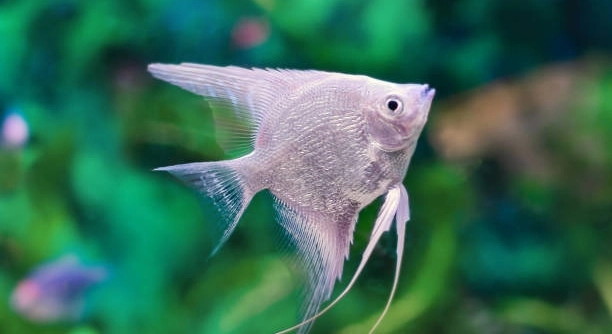
Angelfish are beautiful creatures, but sometimes, their behavior can be puzzling. One such oddity is when they start moving their mouths rapidly. Understanding this behavior can help you keep your fish healthy and happy.
Rapid mouth movement in angelfish can result from a variety of factors, such as stress, water quality issues, or health problems like parasites. It’s important to observe the fish closely to identify the underlying cause.
Knowing what causes your angelfish’s mouth movements is crucial for their well-being. We will explore seven possible reasons behind this behavior and how you can address them.
Stress and Anxiety
Angelfish are sensitive to changes in their environment, and stress can cause them to exhibit unusual behaviors, like moving their mouths rapidly. Changes in water conditions, such as temperature or pH fluctuations, overcrowding, or the introduction of new fish can all trigger stress. Stress can also be caused by aggressive tankmates, poor water quality, or insufficient hiding spots. When your fish feel threatened or uneasy, they may start to move their mouths quickly as part of their stress response.
This rapid mouth movement can sometimes be a sign that your angelfish is trying to regulate its breathing, especially if they feel overwhelmed. Stress isn’t always easy to spot, but it’s worth checking your tank conditions regularly to avoid stressing your fish.
To minimize stress, consider observing your fish closely for any signs of aggression or discomfort. Make sure they have plenty of space and hiding spots. Maintain a clean tank with regular water changes and monitor the water parameters closely to ensure they remain stable. A calmer environment will encourage your angelfish to relax and reduce mouth movements.
Poor Water Quality
Poor water quality is one of the most common reasons behind abnormal behavior in aquarium fish, including rapid mouth movements. Angelfish, like all fish, rely on clean water to thrive. Ammonia, nitrites, and nitrates can build up in the water, making it toxic for the fish and leading to stress or respiratory problems. When the water quality deteriorates, your angelfish may struggle to breathe, causing them to move their mouths rapidly in an attempt to take in more oxygen.
Check the water parameters regularly to ensure ammonia and nitrite levels are zero and nitrates are below 20 ppm. You should also make sure the temperature and pH levels are within the ideal range for angelfish. If the water quality is poor, consider performing a partial water change and cleaning the tank and filter to restore a healthy environment for your fish. Keeping the tank clean and maintaining proper water quality will reduce the chances of mouth movement linked to poor water conditions.
Respiratory Issues
Angelfish may move their mouths rapidly if they are having trouble breathing. This could be due to a lack of oxygen or a respiratory infection. Poor water quality, as mentioned earlier, can make breathing more difficult, especially if the oxygen level is low.
If your angelfish is struggling to breathe, they may move their mouths rapidly in an attempt to get more oxygen. You may notice other signs, like lethargy or gasping at the water’s surface. It’s important to check the oxygen levels in your tank. Adding an air pump or improving water circulation can help.
Additionally, if the water quality is poor and causing stress, it could lead to a respiratory infection, making mouth movements even more pronounced. If you see other symptoms like swelling, discolored gills, or labored breathing, it’s crucial to address the issue right away. Improving water quality and ensuring proper filtration can reduce the chances of respiratory problems in your angelfish.
Parasites and Illness
Parasites and infections can also lead to rapid mouth movements in angelfish. These microscopic organisms can invade the fish’s gills or mouth, causing discomfort and abnormal behavior. If your angelfish has a parasitic infection, it may start moving its mouth rapidly to try and clear away the irritation.
Other symptoms of a parasitic infection can include white spots on the body, unusual swimming patterns, or loss of appetite. If you notice these signs, it’s best to isolate the infected fish to prevent spreading the infection to others in the tank. You can treat your angelfish with specific medications designed for parasitic infections.
Make sure to follow the treatment instructions carefully. While treating your angelfish, it’s important to maintain water quality, as stressed fish are more likely to succumb to illness. Monitoring your fish regularly for any signs of parasites or illness will help you catch and treat problems early, ensuring a healthier tank overall.
Overcrowding
Overcrowding can lead to stress and rapid mouth movement in angelfish. When there are too many fish in the tank, they have to compete for space and resources, causing anxiety. This often results in abnormal behavior like quick mouth movements.
It’s important to follow the recommended stocking guidelines for your tank size. By giving each fish enough space, you can reduce stress and prevent unnecessary behaviors. If overcrowding is a concern, consider upgrading the tank or removing some fish to create a more comfortable environment.
Inappropriate Temperature
Angelfish are sensitive to temperature changes. If the water is too hot or too cold, it can cause stress, leading to rapid mouth movements. Angelfish prefer a stable water temperature between 76°F and 82°F (24°C to 28°C).
Fluctuations in temperature can lead to discomfort and respiratory issues, prompting them to move their mouths quickly in search of relief. Maintaining a consistent temperature is essential for their health and comfort. A reliable aquarium heater can help regulate the water temperature and keep it within the ideal range.
Hunger
Sometimes, angelfish will move their mouths rapidly due to hunger. If they’re not getting enough food, they may exhibit this behavior while searching for something to eat. Angelfish are opportunistic feeders and might signal for food if they feel it’s time for a meal.
Why is my angelfish moving its mouth rapidly?
Rapid mouth movements in angelfish are often signs of stress, respiratory issues, or discomfort. It could be a response to poor water quality, low oxygen levels, overcrowding, or even an infection. It’s important to monitor your fish closely for other symptoms, such as lethargy, discoloration, or abnormal swimming behavior. Identifying the root cause early can help in addressing the issue and ensuring the health of your angelfish.
What should I do if my angelfish keeps moving its mouth rapidly?
If your angelfish is moving its mouth rapidly, first check the water quality. Test for ammonia, nitrites, and nitrates, and ensure they are within safe levels. If the water quality is fine, consider possible stressors such as overcrowding or temperature fluctuations. You can also check for signs of illness, like discoloration or spots, which might indicate a parasite. If you’re unsure, it might be helpful to consult an aquarium specialist or veterinarian for guidance on how to treat any underlying issues.
Can poor water quality cause my angelfish to move its mouth rapidly?
Yes, poor water quality can definitely lead to rapid mouth movement in angelfish. High levels of ammonia, nitrites, or nitrates can make it difficult for fish to breathe, causing them to move their mouths quickly in an attempt to get more oxygen. Keeping the tank clean, performing regular water changes, and maintaining proper filtration can prevent poor water quality from becoming a problem.
How can I tell if my angelfish has a respiratory issue?
If your angelfish is having trouble breathing, you might notice them moving their mouths rapidly or gasping at the surface of the water. The gills may appear red or inflamed, and your fish might seem more lethargic than usual. Poor oxygenation or a respiratory infection can cause these symptoms. Make sure the tank has proper water circulation, and check the water’s oxygen levels. If the problem persists, consider seeking advice from a professional to rule out diseases or infections.
Could overcrowding be affecting my angelfish’s behavior?
Overcrowding can absolutely cause stress in angelfish, leading to behaviors like rapid mouth movement. When there are too many fish in a tank, they compete for space, food, and oxygen, which increases stress levels. This can lead to mouth movements, as the fish might be struggling to find enough resources. It’s crucial to ensure your tank is properly sized for the number of fish you have. If overcrowding is a problem, consider reducing the number of fish in the tank to improve the living conditions for everyone.
What is the ideal temperature for angelfish to avoid rapid mouth movements?
Angelfish thrive in water temperatures between 76°F and 82°F (24°C to 28°C). If the water is too cold or too hot, it can stress your fish and cause rapid mouth movements. Temperature fluctuations can also lead to health problems, making the fish more susceptible to infections or respiratory issues. Using an aquarium heater with a thermometer can help maintain a stable and optimal temperature for your angelfish.
Can hunger cause my angelfish to move its mouth rapidly?
Yes, if your angelfish is hungry, it may exhibit rapid mouth movements as a way to signal for food. Angelfish are opportunistic feeders, so they may show this behavior when they’re searching for something to eat, especially if they haven’t been fed properly. Ensure you’re feeding them the right amount of food and monitor their eating habits. Overfeeding should also be avoided, as it can lead to water quality issues.
How do I prevent rapid mouth movements caused by parasites?
If your angelfish is moving its mouth rapidly due to a parasitic infection, isolating the affected fish and treating the tank with the appropriate medication is crucial. Parasites can irritate the gills and mouth area, causing the fish to move their mouth quickly in an attempt to clear the discomfort. Regularly check your fish for symptoms of parasites, such as white spots, cloudy eyes, or unusual swimming behavior. Maintaining a clean tank and quarantining new fish before introducing them can also help prevent parasitic infections.
What are some signs that my angelfish might be stressed?
Stress in angelfish can manifest in several ways, including rapid mouth movements, lethargy, refusal to eat, abnormal swimming patterns, or aggression. Stress can be caused by poor water quality, overcrowding, temperature fluctuations, or incompatible tankmates. To reduce stress, ensure your fish have enough space, hideouts, and stable water conditions. Avoid making sudden changes to the environment, and make sure to provide proper care to keep your angelfish healthy.
Can my angelfish recover from rapid mouth movement caused by illness?
Yes, with the right treatment, angelfish can recover from illnesses that cause rapid mouth movements. The key is to address the underlying issue—whether it’s poor water quality, parasites, or respiratory issues—early on. Improving water conditions, administering the right medication, and reducing stress can help your angelfish recover. If the symptoms persist or worsen, consult an aquarium professional to get more targeted treatment options.
How often should I clean my angelfish tank to prevent issues with mouth movements?
Regular tank cleaning is essential to prevent the buildup of harmful substances like ammonia and nitrites, which can cause respiratory issues and stress in angelfish. Perform partial water changes once a week or bi-weekly, depending on the size of the tank and the number of fish. Clean the filter regularly and remove any uneaten food to maintain a healthy environment. Keeping the tank clean and ensuring proper filtration will reduce the chances of rapid mouth movements caused by poor water quality.
In conclusion, rapid mouth movement in angelfish can be a sign of various underlying issues. It’s essential to observe your fish closely and pay attention to their behavior, as it can help identify the cause. Stress, poor water quality, overcrowding, respiratory problems, and hunger are just a few possible reasons why your angelfish might exhibit this behavior. By understanding these factors, you can take the necessary steps to improve the health and well-being of your fish. It’s always important to maintain stable tank conditions and monitor the environment regularly to avoid any potential stressors.
If you notice that your angelfish is moving its mouth rapidly, don’t panic. Start by checking the water quality, as poor water conditions are a common cause of abnormal behavior in fish. Make sure the water is clean, with proper levels of ammonia, nitrites, and nitrates. Also, check the temperature, as fluctuations can cause discomfort. If the water quality seems fine, look for other signs of illness or stress, like discolored gills or unusual swimming patterns. Identifying the root cause early is key to preventing further issues and ensuring your angelfish recovers quickly.
Taking proactive measures, such as maintaining a clean tank, providing proper filtration, and ensuring enough space for your fish, can go a long way in preventing mouth movement issues in the future. If necessary, consult an aquarium professional or veterinarian for advice on treating infections or other health problems. Remember that your angelfish’s health depends on the overall environment, so a little care and attention can ensure they live a long and happy life.

Hello,
If you enjoy the content that we create, please consider saying a "Thank You!" by leaving a tip.
Every little bit helps us continue crafting quality advice that supports the health, happiness, and well-being of pets around the world, for pets of all shapes, sizes, and species.
We really appreciate the kindness and support that you show us!