
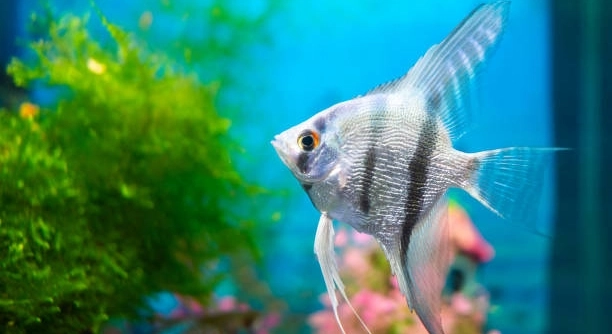
Angelfish are known for their social behavior, often interacting with their owners in a unique way. It is not uncommon to notice that your angelfish may become more active when you’re near their tank.
The presence of humans can lead to increased social behavior in angelfish due to their natural curiosity and learned association with food or attention. This behavior may be a form of recognition, where the fish connects your presence to positive experiences.
Understanding these factors can help you create a more engaging environment for your angelfish, encouraging healthy social behavior and overall well-being.
The Role of Feeding Time in Angelfish Social Behavior
Angelfish are often more active when they see their owners approaching the tank, and feeding time is usually when this behavior is most noticeable. They begin to associate your presence with food, which makes them more likely to swim toward you or follow your movements. This is especially true if your angelfish have been conditioned to expect food when you’re nearby. Over time, they may even start to recognize specific cues that indicate feeding time, such as the sound of a container or the sight of you standing in front of the tank. This learned behavior encourages the fish to be more social when you’re around, as they are anticipating a positive experience.
This association of your presence with food leads to more visible social interaction.
Fish are intelligent enough to recognize patterns, which makes feeding time a key factor in encouraging their social behaviors. As your angelfish grow more familiar with these patterns, they may approach you even when you’re not feeding them.
Environmental Factors That Influence Angelfish Behavior
Your angelfish’s behavior can also be influenced by the overall environment in the tank. Fish tend to thrive in tanks with consistent water conditions, such as the right temperature and cleanliness. If the water quality is poor or fluctuates too much, it can make the fish feel stressed, leading them to become more withdrawn. However, a stable environment helps them feel secure and more likely to engage socially. When angelfish are comfortable in their habitat, they are more likely to be curious and interact with you when you approach.
A clean tank and stable conditions lead to more active fish.
Fish living in a well-maintained tank with proper lighting and water temperature tend to be more social. If you’re maintaining a good environment, expect your angelfish to feel more comfortable in your presence. They may approach you when you’re nearby, associating your approach with positive, safe experiences. This is a sign of a healthy and thriving environment that encourages your angelfish to become more active, ensuring both their physical and social well-being.
Angelfish Personality and Social Behavior
Every angelfish has its own personality, which plays a large role in its social interactions. Some may be more curious or outgoing, while others can be more reserved. This variability means that while some fish will readily approach their owner, others may prefer to keep their distance.
Angelfish with outgoing personalities tend to be more social and seek interaction. They might approach the glass when they see you, following your movements and even recognizing you as a source of food or attention. On the other hand, shy or more independent fish may not show much interest when you’re near the tank. Understanding these differences in personality can help you gauge how your angelfish might behave around you.
Over time, angelfish may become more social as they grow accustomed to their environment and their owners. This gradual increase in social behavior can vary depending on the individual fish’s temperament, whether it’s an active one that loves attention or a more solitary one. It’s important to observe their behavior and respect their comfort zones.
Tank Size and Space for Angelfish
The size of your angelfish tank can have a significant impact on their behavior. A spacious tank gives fish more room to move around and can reduce stress. When angelfish are confined to a small area, they may feel stressed and less likely to engage socially.
Angelfish require ample swimming space to thrive. When they have enough room, they can interact more freely with their environment, including with you. A larger tank allows them to establish their territory and feel more secure, leading to more visible social behavior. Smaller tanks, on the other hand, can cause territorial disputes and stress, which might make your fish less inclined to interact.
Providing a large enough space for your angelfish not only benefits their physical health but also their mental well-being. With enough space to explore, they are less likely to be stressed and more likely to engage with you. Keep in mind that providing a proper environment with plenty of space is essential for both their social behavior and long-term health.
Lighting and its Effect on Angelfish Behavior
Lighting plays a significant role in how angelfish behave. Angelfish are sensitive to changes in light and darkness. A tank with proper lighting can help them feel more comfortable and encourage social interactions when you’re nearby.
Bright lighting or a consistent day-night cycle can help establish a natural rhythm, signaling to the fish when to be active and when to rest. Angelfish may become more interactive when the lighting is ideal, as they are more likely to feel secure in an environment that mimics natural conditions. On the other hand, harsh or inconsistent lighting may stress them out, reducing their social behavior.
The Influence of Tank Mates on Angelfish
Angelfish can be more social when their tank mates are peaceful and not aggressive. A calm tank environment allows them to feel secure and comfortable interacting with you.
If there are aggressive or overly dominant fish in the tank, angelfish may become stressed and less likely to engage socially. Peaceful, compatible tank mates allow angelfish to remain relaxed and approachable, fostering social behavior when you are near their tank. Ensuring your angelfish shares the tank with peaceful species will help keep them active and social.
FAQ
Why do angelfish approach me when I stand near the tank?
Angelfish may approach you because they associate your presence with positive experiences, such as feeding time. Over time, they begin to recognize you as a source of food or interaction. This can make them more active and social when you’re near the tank, as they expect a reward or attention.
Can angelfish become more social with time?
Yes, angelfish can become more social as they get used to their environment and routine. If you consistently interact with them and maintain a stable tank environment, they may start recognizing you and actively engage more. Social behavior tends to increase once they feel comfortable.
What can I do to make my angelfish more social?
Creating a stable and calm environment for your angelfish is crucial for fostering social behavior. Ensure the tank is large enough, the water quality is optimal, and the lighting is appropriate. Spending time near the tank and interacting with your fish can also help them become more accustomed to your presence.
Do angelfish show affection?
Angelfish may not show affection in the same way pets like dogs or cats do, but they do form bonds with their environment and their owners. If your angelfish follows your movements or interacts with you when you’re near the tank, it’s a sign of recognition and comfort.
How can I tell if my angelfish is stressed?
Stressed angelfish may exhibit behaviors like hiding, lack of appetite, or erratic swimming. They might also become less active and more withdrawn. Poor water quality, aggressive tank mates, or improper lighting can all contribute to stress, so it’s essential to address these factors to help reduce stress levels.
Can the type of food affect my angelfish’s social behavior?
Yes, the type of food you provide can influence your angelfish’s behavior. If they associate your presence with feeding, they may become more social. Offering a variety of food options can also keep them engaged and motivated to interact with you. Ensure the food is suitable for their diet to promote overall health.
Do angelfish need tank mates to be social?
While angelfish can thrive alone, having peaceful tank mates can encourage social behavior. A calm environment with other non-aggressive fish may make them feel more comfortable and secure, leading them to be more social with you. However, overcrowding or aggressive tank mates can have the opposite effect.
Is it possible for angelfish to become shy or less social?
Yes, angelfish can become shy or less social if they feel threatened or uncomfortable. Changes in their environment, such as a new tank mate or an alteration in water conditions, can cause them to retreat. Providing a stable environment and giving them time to adjust will help them become more social again.
How often should I interact with my angelfish to encourage social behavior?
Interacting with your angelfish regularly can help them become more social, but it’s important not to overwhelm them. Brief interactions a few times a day can be enough to help them associate you with positive experiences. Avoid sudden movements or loud noises that might startle them.
Can angelfish recognize their owners?
Angelfish can recognize their owners over time. They can associate specific actions or appearances with feeding or other positive experiences. If you consistently interact with your angelfish, they may come to the glass or follow your movements, showing that they recognize and trust you.
Are there any behaviors that indicate my angelfish is happy?
Happy angelfish are usually active and curious. They may swim freely, interact with their tank mates, and actively approach the glass when you are nearby. Healthy eating habits and clear, bright coloring are also good signs of a content angelfish. A happy angelfish is usually engaged with its environment and exhibits natural, relaxed behavior.
Do angelfish need companionship to feel secure?
Angelfish can be fine on their own, but they do benefit from the presence of other peaceful fish. They are not necessarily shoaling fish, but having compatible tank mates can help reduce stress and encourage them to be more active. However, they may not always seek constant companionship, so it’s important to observe their behavior to determine their comfort level.
What should I do if my angelfish seems lonely or stressed?
If your angelfish appears lonely or stressed, evaluate its environment. Check for aggressive tank mates, poor water quality, or inadequate tank size. Offering a calm, secure space and removing stress factors can help. If necessary, consider adding compatible tank mates to reduce feelings of isolation or insecurity.
How long does it take for an angelfish to adjust to a new environment?
It can take anywhere from a few days to a couple of weeks for angelfish to fully adjust to a new environment. During this time, they may be more withdrawn as they acclimate to their new surroundings. Providing a stable environment with proper water conditions will help speed up this process.
Do angelfish prefer specific types of interactions?
Angelfish typically respond well to slow, gentle movements when interacting with them. They may become startled by sudden movements or loud noises. Interacting in a calm, consistent manner allows them to feel more secure and comfortable, encouraging them to engage more.
Can angelfish become more social if they’re raised in a community tank?
Yes, angelfish raised in a community tank with peaceful tank mates can develop more social behaviors. Interacting with other species from a young age can help them become more accustomed to social environments, making them more likely to engage with humans. However, be cautious about mixing aggressive species that could cause stress.
Final Thoughts
Angelfish are fascinating creatures that can develop strong social behaviors, particularly when they feel secure and comfortable in their environment. When you’re near the tank, it’s possible that they associate your presence with feeding time or positive interactions. Over time, they may begin to recognize you, and this recognition often leads to more active and social behavior. It’s important to remember that each angelfish is unique, so their response to your presence will vary. Some may become more social quickly, while others might take longer to feel comfortable.
Creating the right environment is key to fostering social behavior in your angelfish. Factors like water quality, tank size, and lighting all contribute to how comfortable your fish will feel in their habitat. If the tank conditions are ideal, they are more likely to approach the glass, swim around more freely, and interact with you when you’re near. However, it’s essential to consider their tank mates as well. Peaceful, compatible fish will help your angelfish feel more secure and less stressed, encouraging them to be more active and social. Overcrowding or adding aggressive fish to the tank can have the opposite effect, making them more withdrawn.
In conclusion, angelfish can form bonds with their environment and their owners, though they might not express affection the same way other pets do. Their social behavior is influenced by several factors, including water conditions, lighting, tank mates, and regular interaction. By providing a peaceful and stable environment, you can encourage your angelfish to be more social and responsive to your presence. Patience is key, as they need time to adjust and feel comfortable. Understanding these factors will allow you to enjoy a deeper connection with your angelfish and enhance their well-being.

Hello,
If you enjoy the content that we create, please consider saying a "Thank You!" by leaving a tip.
Every little bit helps us continue crafting quality advice that supports the health, happiness, and well-being of pets around the world, for pets of all shapes, sizes, and species.
We really appreciate the kindness and support that you show us!