
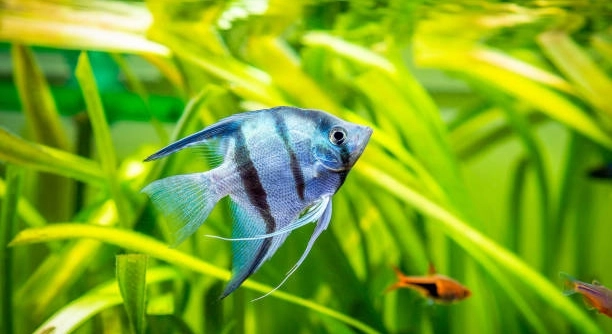
Is your angelfish acting more restless than usual as the lights start to dim in the tank each evening?
Increased restlessness in angelfish before lights out is often linked to natural behavioral patterns, environmental changes, or stress triggers such as inconsistent lighting, water quality issues, or the presence of tank mates.
Understanding these possible causes can help you create a more stable, calming environment for your angelfish during its evening routine.
Your Angelfish Is Responding to a Natural Light Cycle
Angelfish often respond to changes in lighting by becoming more active. In nature, dimming light signals a shift in behavior as fish prepare for nighttime. This natural response can show up in aquariums too. As the lights begin to fade, your angelfish may increase its movement, exploring the tank or interacting more with its surroundings. It’s part of their instinct to stay alert during transitions in light, which in the wild could mean the arrival of predators or a need to find safe shelter. While it may seem like something is wrong, this behavior is often completely normal. If your tank lighting is set to turn off suddenly, the change can be jarring, and your angelfish might react to it with more intensity. Mimicking a gradual sunset with a dimmer or timed lighting system can help your angelfish adjust in a calmer way and reduce that restlessness.
This kind of behavior doesn’t usually mean your angelfish is unhappy, just reacting to its environment.
Giving your fish a more natural and gentle lighting pattern can help ease the shift from day to night. Many fish owners notice improvements in behavior when lights dim slowly. It creates a sense of routine and predictability in the tank. Some lights have built-in settings to help with this. If yours doesn’t, a simple plug-in timer or dimmable fixture can work well too. Avoid turning lights on and off manually at random times, as this can confuse your angelfish and increase stress. When fish are stressed, they tend to move around more, and their behavior may become harder to predict. A regular schedule helps create a peaceful rhythm your angelfish can adapt to more easily. With a bit of adjustment, you’ll likely see less frantic movement before lights out and more calm, steady swimming.
Something in the Tank Is Stressing Your Fish
Stress can make your angelfish act restless, especially when it’s already winding down for the day.
A few different factors can increase stress just before lights out. Other fish in the tank might be getting too close or acting aggressively. Angelfish need their space, especially in smaller tanks. If they feel crowded or harassed, they may swim rapidly or stay near one corner of the tank. Poor water quality can also be a major trigger. Make sure ammonia and nitrite levels are at zero and that the water temperature stays steady. Even slight shifts in these numbers can affect your fish’s behavior. Loud sounds, sudden movements near the tank, or vibrations from nearby electronics can also unsettle your angelfish right before the lights go off. Pay attention to what’s happening in the room during that time. Making a few changes in tank setup, lighting, or nearby noise can often help reduce restlessness and create a more relaxed evening routine for your fish.
They’re Still Full of Energy from Daytime Activity
If your angelfish had a very active day, it might take a while to settle down. Some fish stay alert and stimulated longer than others, especially if the tank environment is engaging.
Swimming, chasing, and exploring decorations or plants all keep your angelfish busy. If they’ve been interacting a lot with other fish or moving around more than usual, that leftover energy can show up right before bedtime. Just like people, some fish wind down slowly. Adding a period of calm before lights out can help. Turn off loud filters briefly, lower the room lights, and reduce your own movement near the tank. This quiet time gives your fish a chance to slow their pace. Over time, they’ll associate this routine with rest. Without that cooldown period, your angelfish may continue pacing or darting around once the main lights are off.
Restless behavior before bedtime doesn’t always mean something is wrong. Angelfish are naturally curious and may be processing the day’s activity. Some swim laps or patrol their space before finding a calm spot to rest. If they’ve had a particularly stimulating day, that behavior can appear more intense. Make sure the tank environment supports this need for exploration but also provides good resting spots like wide leaves or calm corners. If there’s nothing soft or shaded for them to relax in, they may keep swimming, looking for a place to feel safe. Adding plants or decorations they can hide behind helps create a more secure and peaceful end to the day.
Changes in Water Conditions Late in the Day
Shifts in water quality later in the day can trigger activity. Temperature, pH, or oxygen levels may be fluctuating when the lights go off. These changes affect how angelfish behave.
Sometimes, small issues go unnoticed until evening routines bring them to light. A heater may be raising the temperature more in the evening, or oxygen levels may drop after plants stop photosynthesizing in the dark. Fish respond to these changes with movement or restlessness. Checking water parameters at different times of day—especially before and after lights out—can reveal helpful patterns. Make sure your filter is running properly and the tank has good surface movement for oxygen exchange. If you use CO₂ for plants, timing and levels matter too. Stable water conditions make a big difference in how secure your angelfish feels. Adjusting equipment and testing regularly can keep things balanced and your fish calm before nighttime.
They Might Be Competing for Space or Territory
In tanks with multiple fish, angelfish may become restless if they feel the need to protect their space.
Aggressive behavior towards tank mates can cause angelfish to act out before bedtime. They may patrol the tank, confront others, or even chase fish away from their territory. If you notice this happening frequently, it might help to rearrange the tank decorations. Creating new hiding spots or barriers can give your angelfish more space to feel secure.
Uneven Water Temperature
A sudden change in water temperature could be unsettling your angelfish.
If your tank has uneven temperature distribution, it can make your angelfish restless. Cold spots or hot areas can trigger movement as your fish tries to find a comfortable zone. Adjusting the heater placement or adding a water circulation pump can help achieve a more consistent temperature.
They’re Feeling the Effects of Tankmates
Fish interactions are a huge part of your angelfish’s behavior. If tankmates are too aggressive or territorial, it can keep your angelfish on edge.
Tankmates that are too active, aggressive, or competitive for food can increase anxiety in your angelfish. They may become more alert, swimming erratically or pacing. If you have other fish that are constantly competing for space, try adjusting the balance or adding more hiding spots.
FAQ
Why does my angelfish swim rapidly before lights out?
Angelfish tend to swim more actively before lights out due to natural instincts. In the wild, they would be preparing for nightfall when predators might become more active. The fast swimming is their way of staying alert. They may also be trying to find a safe place to rest. This behavior can be heightened if the transition from light to dark is too sudden or if they are stressed by changes in the environment. A gradual dimming of the lights and providing resting spots can help calm your fish.
Can my angelfish get restless due to water quality issues?
Yes, poor water quality can definitely make your angelfish restless. Angelfish are sensitive to changes in water conditions, including pH, ammonia, nitrites, and temperature. If any of these are off, it can cause stress, leading to increased activity. Be sure to regularly check your water parameters and perform necessary water changes to keep the environment stable. Inconsistent water quality, especially in the evening when they’re winding down, can make them feel uneasy and agitated.
Is my angelfish restless because it’s hungry?
It’s possible that your angelfish is more active because it’s hungry, especially if they’re used to a set feeding schedule. If they’re not getting enough food during the day, they may swim around more restlessly as they look for food. Overfeeding can cause other problems, but a slight increase in feeding or adding variety to their diet may help settle their restlessness. Keep in mind that hunger-induced restlessness will typically subside once they’ve eaten.
Could other fish in the tank be causing my angelfish to be restless?
Yes, interactions with other tank mates can cause your angelfish to become restless. Aggressive or overly active fish may make your angelfish feel stressed or threatened. This can lead to increased swimming or defensive behaviors, especially before lights out. If you notice this happening, consider rearranging the tank or adding hiding spots to give your angelfish a sense of security. In more extreme cases, you might need to separate aggressive fish from the angelfish.
What can I do to calm my angelfish before lights out?
To calm your angelfish before lights out, try gradually dimming the tank lights instead of turning them off suddenly. This mimics a more natural transition to nighttime. Also, ensure your tank has plenty of plants or decorations for your fish to hide behind. Reducing loud noises and minimizing movement around the tank can also help them feel more at ease. Make sure the water temperature is stable, as fluctuating temperatures can add to their stress.
Why does my angelfish seem to get restless when I approach the tank?
Your angelfish may feel threatened when you approach the tank, especially if they are not used to your presence. They could see you as a potential predator, causing them to swim more rapidly or stay hidden. However, if your angelfish is regularly in the same spot or swims more actively when you walk by, it might also be a sign of curiosity. The more they get used to you, the more they may relax. Try to approach the tank calmly and without sudden movements to reduce stress.
Can temperature changes cause my angelfish to be more restless?
Yes, angelfish are sensitive to temperature fluctuations. If the temperature changes suddenly or doesn’t stay within a comfortable range, it can cause them to become restless. Angelfish generally prefer water that is between 76°F and 82°F (24°C and 28°C). Using a good aquarium heater and a thermometer will help ensure the water stays stable. If the tank gets too cold or too hot, your fish may swim more erratically as they try to find a comfortable zone.
How can I tell if my angelfish is stressed?
Stressed angelfish often show signs such as rapid swimming, hiding, or staying near one spot in the tank. You might also notice their fins clamped down, or they may stop eating. If your angelfish is more restless before lights out, it could be a sign of stress caused by poor water quality, aggression from other fish, or changes in the tank. If stress persists, try to identify and address the cause, whether it’s environmental, dietary, or social.
Do angelfish prefer a dark tank at night?
Yes, angelfish naturally prefer a period of darkness at night. In the wild, they would experience a cycle of light and darkness that helps regulate their sleep patterns. Having a dark tank at night is important for their overall health, as it gives them time to rest. If you have bright lighting in the tank overnight, it can interfere with their sleep cycle and cause increased activity or restlessness. Ensure that the tank is dark during the night, but you can keep ambient light in the room for your own convenience.
Should I adjust the lighting schedule to prevent restlessness?
Yes, adjusting the lighting schedule can help reduce your angelfish’s restlessness. Instead of having lights on all day, try to establish a consistent routine with natural light cycles. Aim for 10-12 hours of light during the day and gradually dim the lights as evening approaches. This gives your angelfish a clear sense of when it’s time to wind down and rest. A timer for your aquarium light can help maintain consistency and reduce the stress caused by sudden lighting changes.
Final Thoughts
Restlessness in angelfish before lights out is usually a normal behavior tied to their instincts. These fish are naturally more active as they adjust to changes in their environment, especially when the light dims. In the wild, this transition from light to dark triggers a state of alertness, where fish prepare for the night and potential predators. While it can be a little unsettling to watch, it’s often nothing to worry about. It’s just part of their natural response to the changes in their surroundings, especially the lighting and water conditions. Understanding this behavior can make it easier to recognize what’s happening and ensure your angelfish is not under stress.
If your angelfish’s restlessness is becoming a concern, several factors could be at play. It’s important to pay attention to the tank’s environment—things like lighting, water quality, and temperature can have a direct impact on how your fish behaves. Maintaining a consistent routine, especially with the lighting, can help them feel more secure. A gentle decrease in light levels instead of a sudden switch-off can prevent the stress of a harsh transition. Also, keeping an eye on water conditions is essential. Ensuring that the water is free of harmful chemicals and has a stable temperature can significantly improve your angelfish’s behavior.
Finally, if other fish are in the tank, their interactions can also influence your angelfish’s activity levels. Aggressive tank mates or overcrowding may make your fish feel unsafe, leading to restless behavior. Rearranging the tank setup or adding hiding places can provide the space they need to feel secure. Pay attention to how the rest of the fish are interacting and consider adjusting your tank environment to make sure everyone is comfortable. By making these adjustments and keeping your tank environment stable, you can reduce your angelfish’s restlessness and help them feel more at ease before lights out.

Hello,
If you enjoy the content that we create, please consider saying a "Thank You!" by leaving a tip.
Every little bit helps us continue crafting quality advice that supports the health, happiness, and well-being of pets around the world, for pets of all shapes, sizes, and species.
We really appreciate the kindness and support that you show us!