
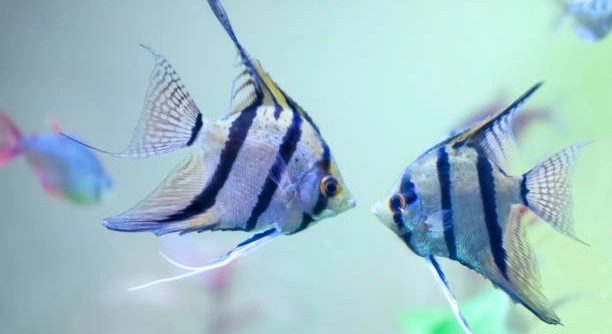
Is your angelfish pacing the tank more often once the lights go out? You’re not alone in noticing this unusual nighttime behavior.
Increased nighttime activity in angelfish may be linked to stress, environmental disturbances, inconsistent lighting, hunger, or changes in water conditions. These factors can influence their natural behavior, making them appear more restless during the night.
Understanding the cause can help you create a healthier, more calming environment for your angelfish and improve their overall well-being.
Changes in Lighting Schedule
Lighting plays a big role in how angelfish behave, especially at night. If your aquarium light stays on too late or changes too often, it can disturb your fish’s natural rhythm. Angelfish need a clear day-to-night cycle to feel calm. Too much brightness, flickering bulbs, or inconsistent timing can keep them alert longer than necessary. When the lights go off suddenly, they may become more active out of confusion or stress. Adding a timer can help regulate their schedule. A consistent routine gives your fish a sense of stability and helps reduce restlessness when the room gets dark.
Even low light from nearby lamps or screens can confuse your angelfish and affect their ability to settle down properly.
Try dimming your room slowly or using an aquarium light with a gradual fade feature. This soft transition helps signal to your fish that it’s time to rest. Stability in lighting brings comfort and peace.
Poor Water Quality
Water that isn’t clean enough can affect how your angelfish behaves, especially during the quieter hours. Restlessness is often a response to discomfort.
Angelfish are sensitive to sudden changes in water conditions. When ammonia, nitrite, or nitrate levels go up, they feel stressed and unsettled. This discomfort might not be obvious during the day when there’s more activity around, but at night, it becomes more noticeable. Fish that are normally calm may swim erratically or hang near the surface. This can also happen if the pH level shifts or if there’s too much chlorine in the water. Regular testing helps catch these problems early. Weekly water changes, proper filtration, and not overfeeding your fish all help keep the tank environment stable. If you notice increased movement at night, check the parameters immediately. Your fish might be trying to tell you something with their behavior. Clean, balanced water is key to a more peaceful tank.
Hunger or Irregular Feeding
If your angelfish seems more active at night, it might be looking for food. Skipping meals or feeding too little during the day can lead to increased movement after dark as they search the tank for anything edible.
Hunger triggers instinctive foraging behaviors, especially when the environment quiets down. If angelfish are not fed enough or at consistent times, they might become restless at night. Over time, this can disrupt their usual routine and raise their stress levels. It’s helpful to create a regular feeding schedule and ensure they’re getting the right amount of food. Try feeding them earlier in the evening so they have time to digest before the lights go off. This can make them feel more satisfied and relaxed. Avoid overfeeding, though—leftover food can pollute the water and make the problem worse rather than better.
Some angelfish also develop food-related habits. If they’re used to being fed at night or in the evening, they may become more active in anticipation. This pattern can form if you often feed them late or give extra snacks after dark. Sticking to a consistent daytime routine helps prevent confusion and creates healthier behavior patterns. Balanced nutrition and stable routines lead to better nighttime rest and overall wellness.
Tank Mates Causing Stress
Aggressive or overly active tank mates can affect your angelfish, especially at night. When the lights go off, some fish become more territorial or unpredictable, which may cause your angelfish to react nervously and swim more than usual.
Even during the day, tension between species can build gradually. Angelfish do best with peaceful companions that won’t nip at their fins or crowd their space. If they’re paired with fin-nippers or fast-swimming fish, this can result in elevated stress, especially during quiet hours. The tank should offer hiding spots like plants or decorations where your angelfish can retreat if needed. Watching closely after lights out can help you see if another fish is the source of trouble. Separating aggressive fish or adjusting the tank layout can reduce conflict. A peaceful tank dynamic plays a big part in your angelfish’s ability to settle at night and remain calm through the evening.
Unstable Water Temperature
Fluctuating temperatures can disturb your angelfish, especially at night when room temperatures drop. If the water gets too cold or warms up too quickly, your fish may start swimming around more as a reaction to discomfort.
Using a reliable heater and thermometer helps maintain a steady range. Sudden drops or spikes during the night can be stressful, even if they seem minor. Keeping the temperature stable creates a calmer environment and helps your angelfish stay settled after lights out.
Reflections and Glass Disturbances
Reflections in the tank glass can confuse your angelfish. At night, with the lights off and surrounding rooms still lit, reflections can appear stronger and trigger sudden movements. Your fish may mistake its reflection for another fish and react defensively. Blocking nearby lights and adjusting tank positioning can reduce this.
Lack of Hiding Spots
Angelfish need places to feel safe, especially at night. A tank without plants or decorations can leave them feeling exposed. Restlessness may be a sign that your fish is searching for shelter but can’t find any. Adding coverage helps reduce anxiety and nighttime activity.
FAQ
Can angelfish see in the dark?
Angelfish cannot see well in complete darkness. Like many fish, they rely more on their lateral line system at night, which helps detect movement and vibrations in the water. This system helps them navigate when visibility is low, but it doesn’t replace vision. If the tank is pitch black, they may become uneasy due to limited spatial awareness. That’s why many aquarists use a dim nightlight or moonlight LED to provide soft lighting. It helps angelfish move calmly and avoid bumping into objects or other tank mates while keeping their stress levels lower at night.
Why is my angelfish more active when the lights go off?
This usually means your angelfish is unsettled by something in the tank environment. Common triggers include sudden darkness, changes in temperature, or external movement outside the aquarium. Some fish become more alert when there’s less light, especially if they aren’t sure it’s safe. Hunger or an irregular feeding schedule can also lead to night activity. If your angelfish is pacing the glass or darting around, it may be reacting to discomfort or looking for food. Reviewing tank conditions and adjusting routines can usually help reduce this behavior.
Is it normal for angelfish to sleep?
Yes, angelfish do sleep. Fish don’t sleep the way humans do, but they enter a state of rest where their activity slows down, and they hover in place or find a calm corner to settle. During this time, their color may slightly fade, and they typically avoid interaction unless disturbed. If the tank is noisy, bright, or if something is bothering them—like poor water quality—they may not be able to rest properly. Providing a dark, quiet, and stable environment is important so your angelfish can recharge and stay healthy.
What time should I turn the aquarium lights off?
Angelfish need a regular day-night cycle that mimics natural conditions. Ideally, aquarium lights should be on for about 10 to 12 hours a day. Turning them off at the same time each evening helps maintain your fish’s internal clock. For example, lights on at 8 a.m. and off at 8 p.m. works well. Use a timer if needed to keep it consistent. Sudden shifts in lighting times can confuse fish, leading to nighttime restlessness. Predictable lighting encourages more relaxed behavior and improves overall tank stability.
Can angelfish become stressed from too much noise at night?
Yes, angelfish can become stressed if there’s a lot of external noise, even during the night. Vibrations from nearby TVs, speakers, or banging furniture can be felt through the tank and may disturb their rest. Fish are sensitive to these sudden changes and can respond with frantic swimming or hiding. If your angelfish is more active after loud sounds or nighttime activity in the room, it’s worth trying to move the tank to a quieter location or reduce disturbances near the aquarium.
How do I know if my angelfish is stressed at night?
Signs of stress include darting, glass surfing, fin clamping, rapid gill movement, or hovering near the surface. At night, stress might also show as unusual activity when the tank should be calm. If your angelfish isn’t settling down after the lights go off, look for environmental causes—check water temperature, quality, tank mates, or lighting. Regular behavior patterns help you spot changes early. Addressing stress quickly helps avoid illness or long-term issues.
Should I add more decorations to calm my angelfish at night?
Yes, adding more plants or decorations can help. Angelfish like to have places to feel secure, especially when it’s dark. Without shelter, they can feel exposed and become more active while trying to find safety. Plants—real or artificial—plus driftwood or rock caves provide visual barriers and reduce anxiety. Be sure to space them out so your angelfish can swim freely, but include enough structure to give them quiet spots to hide when they need rest.
Can changing the filter or equipment at night cause restlessness?
Changing filters or making loud adjustments at night can unsettle your angelfish. They are more sensitive to disruptions when the lights are off and their surroundings are quiet. It’s better to perform any maintenance during the day when they are more alert. If changes must be made in the evening, do them gradually and avoid sudden splashes or strong vibrations. Quiet, stable conditions help fish adjust better and maintain a calmer state at night.
Final Thoughts
Angelfish are sensitive and intelligent freshwater fish. When they become more restless at night, it often means something in their environment is affecting their comfort. While some nighttime movement is normal, unusual patterns like frantic swimming or constant pacing may be linked to stress. Light, temperature, noise, water quality, and social dynamics in the tank can all play a role. Even small changes, like an inconsistent light schedule or an increase in activity outside the aquarium, can disturb their rest. That’s why observing your angelfish closely during both day and night is important.
Understanding why your angelfish is more restless at night takes patience and regular attention to tank conditions. Clean water, stable temperature, and a quiet, dark space can make a big difference. Offering plenty of plants and hiding spots can also help your angelfish feel safer when the lights go out. Each fish behaves a little differently, so getting familiar with your angelfish’s routine will help you notice changes early. If the restlessness doesn’t improve after environmental adjustments, it may be worth reviewing their diet, health, and the behavior of other fish in the tank.
Small improvements can lead to noticeable changes in your angelfish’s behavior. Try adjusting the lighting, checking for nighttime disturbances, and keeping a consistent routine. These small efforts create a better space for rest and reduce stress. A calm and balanced tank not only helps your angelfish sleep better at night but also supports long-term health and activity during the day. Staying mindful of your angelfish’s needs will help you build a more peaceful and stable aquarium.

Hello,
If you enjoy the content that we create, please consider saying a "Thank You!" by leaving a tip.
Every little bit helps us continue crafting quality advice that supports the health, happiness, and well-being of pets around the world, for pets of all shapes, sizes, and species.
We really appreciate the kindness and support that you show us!