
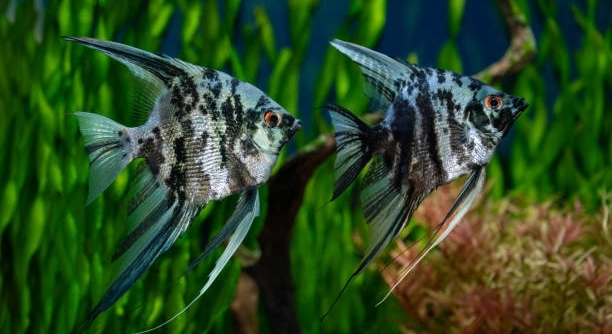
Angelfish are known for their peaceful nature, but you may have noticed that they act more aggressive in the morning. Understanding why can help you manage their behavior better and ensure a peaceful aquarium environment.
The increased aggression in angelfish during the morning hours is often due to heightened territorial instincts or hunger. As their energy levels rise with the day’s start, they may become more active and protective of their space.
Several factors contribute to this early aggression. By understanding these reasons, you can improve your angelfish’s behavior and create a more harmonious aquarium.
Hunger and Feeding Patterns
Angelfish are known to become more aggressive when they’re hungry, especially in the morning. As nocturnal feeders, they tend to go without food for several hours overnight. When they wake up, their energy levels are low, and they may react aggressively as a way of signaling to you that it’s time for breakfast.
Feeding your angelfish a healthy, consistent diet can help reduce this aggression. It’s essential to feed them once or twice a day, ensuring that the food is not over or underprovided. Proper portion control prevents hunger-driven aggression.
Fish are creatures of habit, and they begin to associate certain times of the day with food. When they wake up and expect food, they may become more territorial or defensive, especially if there are other fish in the tank. If you notice consistent aggression at feeding times, this could be the reason behind it. Providing smaller meals at intervals throughout the day can help minimize this aggressive behavior.
Stress and Tank Environment
Angelfish are highly sensitive to changes in their environment. If the tank is too small, overcrowded, or the water quality is poor, they will naturally feel stressed. Stress can cause them to become more aggressive, particularly in the mornings when they’re adjusting to the day.
The ideal environment for an angelfish includes plenty of space to swim, stable water temperature, and regular filtration to maintain clean water. By keeping their habitat clean and free of sharp objects or overcrowded conditions, you reduce stress and help your angelfish feel more comfortable.
Angelfish are territorial creatures, and they tend to guard areas they consider their own. If the aquarium setup lacks adequate space or hiding spots, this can lead to more aggression. As they adjust to their surroundings, they may show aggressive behavior towards tank mates in an attempt to assert control over their territory. Providing hiding spots, plants, and a spacious tank will reduce their stress levels and decrease morning aggression.
Hormonal Changes
Hormonal shifts in angelfish can influence their behavior, especially in the morning. These changes may be tied to breeding cycles or maturation, causing them to act more aggressively. This is particularly noticeable in male angelfish during their territorial phase.
Breeding behavior can trigger territorial aggression in angelfish, as males seek to protect potential nesting sites. During this time, they become more active and often show signs of aggression, especially when they feel their space is threatened. In the morning, after a night of rest, their instincts are heightened, leading to more confrontational behavior.
Similarly, when angelfish mature, they might develop more aggressive traits as part of their natural growth. This often happens in male fish, who are more likely to be territorial. Understanding these hormonal shifts will help you anticipate and manage any aggression that occurs during certain periods, including in the mornings.
Overcrowding and Tank Space
If your tank is overcrowded, your angelfish will become more territorial and prone to aggression. When multiple fish compete for space, resources, or hiding spots, it creates tension in the tank. This can be especially noticeable in the morning, when everyone is moving around more.
Angelfish need space to feel safe and comfortable. If your tank is too small, they may become stressed and act out aggressively. In the morning, when they are more active, this stress can lead to heightened territorial behavior. It’s important to ensure that your angelfish have enough room to move freely and establish their own territories.
To avoid overcrowding, it’s important to calculate the appropriate number of fish for your tank size. Giving each fish enough space will reduce aggressive behavior, especially during feeding times or in the morning when they are most active. Adding plants or decorations to the tank also provides hiding spots, which can help calm your fish and reduce aggression.
Light and Lighting
Lighting plays a significant role in angelfish behavior, especially in the morning. Bright light can cause them to feel more exposed, triggering defensive behavior. If they are startled by sudden changes in light, they may react aggressively.
Angelfish are naturally adapted to low-light conditions, and sudden exposure to bright light can stress them. To avoid this, make sure to gradually increase light levels in the morning. A consistent light schedule helps your fish feel secure and reduces unwanted aggression.
Tank Mates
The presence of other fish in the tank can contribute to angelfish aggression, especially in the mornings. If there are too many dominant fish or incompatible species, it can create tension.
Certain species of fish may trigger territorial behavior in angelfish. They may become more aggressive, especially when their tank mates are more active in the morning. Choosing peaceful tank mates that don’t threaten their space can reduce conflicts and aggression.
Illness or Injury
Illness or injury can make angelfish more irritable and prone to aggression. When they aren’t feeling well, they may lash out as a way of protecting themselves. If your angelfish is showing signs of aggression, check for any physical issues or signs of disease.
FAQ
Why do angelfish become more aggressive in the morning?
Angelfish are often more aggressive in the morning due to a combination of hunger, territorial instincts, and heightened activity levels after a long rest. After fasting overnight, they are more likely to become territorial as they are searching for food or protecting their space. Their aggression may also increase when they’re adjusting to their environment as they wake up and start moving around more.
Can overfeeding cause aggression in angelfish?
Overfeeding can lead to water quality problems, which may increase stress levels in angelfish, ultimately triggering aggression. When fish are fed too much, the uneaten food breaks down and affects water parameters, leading to a less healthy tank environment. This can make the fish feel stressed and more likely to act aggressively. It’s important to feed them in controlled portions, avoiding overfeeding.
What is the best tank size for angelfish to reduce aggression?
Angelfish should have a tank that is at least 30 gallons, but the more space they have, the less likely they are to become aggressive. A larger tank allows them to establish territories and avoid conflict with other fish. The more room they have to swim, the less stress they experience, leading to a more peaceful aquarium.
Do male angelfish act more aggressively than females?
Yes, male angelfish are generally more territorial and aggressive than females, especially when breeding. They will often defend their nesting sites and chase away other fish to protect their territory. This behavior can be more noticeable during the morning as they become more active and start defending their space after resting.
How can I reduce aggression caused by tank mates?
If your angelfish is acting aggressively, it’s important to ensure that the other fish in the tank are compatible. Angelfish do best with peaceful species, and tank mates that are too territorial or active may cause aggression. Try adding calm, non-aggressive species and avoid overly territorial fish to reduce tension.
What are the signs of stress in angelfish?
Stressed angelfish may show signs like erratic swimming, hiding frequently, faded colors, or a lack of appetite. They may also display aggressive behavior, such as chasing or nipping at other fish. To reduce stress, ensure the tank conditions are stable, the water quality is good, and they have enough space.
Can temperature changes cause aggression in angelfish?
Yes, temperature changes can trigger stress and aggression in angelfish. They are sensitive to fluctuations in water temperature, and sudden shifts can make them feel uncomfortable. Maintaining a consistent, optimal temperature between 75°F and 82°F helps prevent stress and aggressive behavior.
Do angelfish get aggressive during breeding?
Yes, angelfish are often more aggressive during breeding. Males become particularly territorial when they are guarding a nest, and they will defend their territory aggressively. During this time, it’s common for angelfish to chase away other fish or become more confrontational, especially in the mornings when they are more active.
Can I reduce aggression by adding more plants or decorations?
Yes, adding plants, rocks, and other decorations can help reduce aggression by providing hiding spots and breaking up line of sight. This allows fish to have their own space and reduces territorial disputes. Angelfish, in particular, feel safer when they have areas to retreat to, which lowers stress and aggression.
Should I separate aggressive angelfish from the rest of the tank?
If one angelfish is causing significant aggression in the tank, it may be necessary to separate it temporarily. You can place it in a quarantine or separate tank until the aggression decreases. This is especially important if the aggressive behavior is affecting other fish and creating a toxic environment.
What are the best tank mates for angelfish?
Angelfish do best with peaceful, non-territorial tank mates. Some good choices include peaceful species like tetras, guppies, and Corydoras catfish. Avoid aggressive fish like cichlids or fish that are too large and may intimidate the angelfish. Choosing the right tank mates can prevent unnecessary conflict and stress.
How often should I feed angelfish to prevent aggression?
Feeding angelfish once or twice a day with properly portioned food is ideal. Overfeeding can lead to poor water quality, while underfeeding can make them more aggressive. It’s important to ensure they have a regular feeding schedule and that the food is balanced to meet their nutritional needs. Smaller, frequent meals can also help reduce hunger-driven aggression.
Can angelfish get aggressive because of water quality?
Poor water quality can lead to stress, which often results in aggressive behavior. Ammonia, nitrites, and poor filtration can negatively impact water quality, causing the angelfish to feel stressed. Regular water changes and maintaining proper filtration are essential for keeping the water clean and the fish calm. Healthy water parameters contribute to less aggression overall.
Why do angelfish become aggressive during morning light?
Morning light signals the start of the day, and for some fish, it’s a time of heightened activity and territorial behavior. Angelfish may become more defensive in the presence of bright light, especially if the transition is sudden. A gradual light increase can help them adjust and reduce this morning aggression.
How can I tell if an angelfish is sick or just aggressive?
Sick angelfish often show physical symptoms like faded colors, lesions, or clamped fins, and they may lose their appetite. Aggressive angelfish, on the other hand, may chase other fish, display territorial behavior, and show rapid movements. If you notice a combination of unusual behavior and physical signs, it may be time to check for illness.
Understanding the reasons behind your angelfish’s morning aggression can help you address the issue effectively. From hunger and territorial instincts to environmental stressors, various factors play a role in how your angelfish behave. By recognizing these causes, you can make adjustments to their diet, tank setup, and overall care routine. Addressing the root causes of aggression can lead to a healthier, more peaceful environment for both your angelfish and other fish in the tank.
It’s important to remember that angelfish, like all pets, are sensitive to their surroundings. Stress from overcrowding, poor water quality, or incompatible tank mates can make them more likely to act aggressively. Ensuring that they have adequate space, stable water conditions, and a calm environment will reduce stress and help keep aggression at bay. Regular tank maintenance, such as water changes and filter cleaning, is essential for maintaining a peaceful atmosphere in the aquarium.
In some cases, aggression may be tied to natural behavior, such as breeding or hormonal changes. Male angelfish, especially during breeding, can be more territorial and active, which is normal but may require more careful management. If morning aggression becomes a regular issue, observing their behavior and making adjustments as needed will help create a more balanced tank. With the right care, you can minimize aggression and ensure your angelfish lead happy and healthy lives.

Hello,
If you enjoy the content that we create, please consider saying a "Thank You!" by leaving a tip.
Every little bit helps us continue crafting quality advice that supports the health, happiness, and well-being of pets around the world, for pets of all shapes, sizes, and species.
We really appreciate the kindness and support that you show us!