
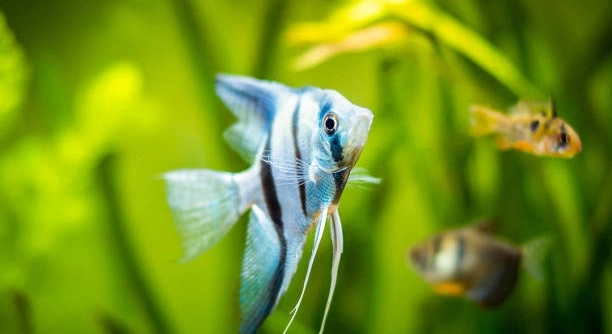
Angelfish are lively and colorful creatures, known for their graceful swimming and unique behavior. If you’ve noticed that your angelfish are more active in the morning, you’re not alone. Many aquarium owners observe this pattern in their fish.
Angelfish are typically more active in the morning due to their natural circadian rhythms. As diurnal creatures, they tend to be most active during the early part of the day when the lighting conditions mimic their natural habitat.
Understanding why your angelfish behave this way can help you provide a better environment for them. By exploring the different factors influencing their activity, you can ensure their health and happiness in your aquarium.
Tank Lighting and Its Effect on Angelfish
The lighting in your aquarium plays a significant role in the activity levels of your angelfish. Since these fish are diurnal, they naturally respond to changes in light, becoming more active when the tank light mimics the natural daylight cycle. As the lights turn on in the morning, your angelfish are likely to become more energetic, swimming around and exploring their surroundings. This is similar to how they would behave in the wild, where daylight is a cue for them to begin their daily activities.
Inconsistent lighting can disrupt their routine. If the lights are too bright or too dim at certain times, it may affect their natural rhythm. Therefore, having a reliable lighting system that simulates day and night cycles is essential to keeping your angelfish happy and active. This helps maintain their behavior, ensuring they remain active during the morning and more relaxed in the evening.
Having a reliable lighting setup that mimics natural conditions helps your angelfish feel more comfortable, allowing them to follow their natural schedule.
Water Temperature and Morning Activity
Water temperature plays a major role in how active your angelfish are in the morning. Angelfish prefer warmer water, typically between 75°F and 80°F (24°C – 27°C). When the temperature is within this range, they feel more comfortable and active. In cooler temperatures, they tend to slow down and become less active, which can also influence their morning behavior.
In the early morning, water temperature is usually lower than during the day due to natural cooling at night. However, once the aquarium lights are on and the room heats up, the water gradually warms, making your angelfish more active. They become more lively as the water temperature rises and their environment becomes more favorable for movement and feeding.
Maintaining a stable water temperature that stays within their preferred range is crucial for promoting morning activity. If you notice that your angelfish aren’t as active in the morning, it could be a sign that the water temperature isn’t optimal. Ensuring that their environment is comfortable will help them stay active, healthy, and engaged.
Water Quality and Angelfish Behavior
Water quality has a direct effect on your angelfish’s activity levels, especially in the morning. Poor water conditions, such as high ammonia or nitrate levels, can stress them out and make them less active. Ensuring the water is clean and filtered properly encourages your angelfish to swim around and be more active.
When water quality is optimal, angelfish tend to be more engaged in their environment. They feel less stressed, which means they can comfortably swim and explore the tank. This increases their activity during the morning hours when they naturally start moving. Regular water changes and using a good filtration system will help keep the tank environment healthy for your fish.
Fish that are kept in well-maintained tanks are healthier and more active overall. By testing and adjusting water parameters regularly, you ensure that your angelfish have a stress-free environment. A clean tank provides them with the opportunity to thrive, leading to increased activity levels, especially in the morning.
Tank Mates and Social Behavior
The presence of other fish in the tank can also impact the morning behavior of your angelfish. Angelfish are social creatures and enjoy interacting with other fish. When they share a tank with other compatible species, they tend to be more active in the morning. The movement of other fish around the tank triggers their curiosity and encourages them to swim more.
In a tank with peaceful and compatible tank mates, your angelfish may display more social behavior in the morning hours. They may actively follow or communicate with other fish, increasing their overall activity. This interaction also keeps their minds engaged and ensures a more balanced routine.
However, it’s important to note that the presence of aggressive tank mates can cause stress. This could make your angelfish less active and more prone to hiding or staying in one spot. Choosing tank mates that won’t stress out your angelfish will help maintain their natural morning activity.
Feeding Frequency and Timing
Feeding your angelfish regularly can influence their morning activity levels. Fish that are fed consistently are more likely to follow a routine. If you feed them in the morning, they will naturally associate that time with food, leading to increased activity during those hours.
The timing of feedings plays an important role in their behavior. Angelfish learn to expect food at specific times, especially if feeding happens in the morning. This feeding schedule helps them maintain a consistent activity level, as they become more alert and energetic when they anticipate food.
Exercise and Space to Swim
Having enough space for your angelfish to swim freely is key to keeping them active. If the tank is too small or crowded, their movements are restricted, and they are less likely to engage in active behavior. A spacious tank allows your angelfish to swim around more, especially in the morning.
Angelfish need room to move and explore, which keeps them physically and mentally stimulated. Larger tanks, with plenty of hiding spots and open areas to swim, provide a healthier environment. This encourages them to be more active during the morning and throughout the day.
Natural Instincts and Environmental Cues
Angelfish, like many species, rely on environmental cues to guide their behavior. These cues, such as light, temperature, and the presence of food, help signal to the fish when it’s time to be active. Angelfish are naturally programmed to respond to these changes, particularly in the morning.
These instinctual responses are deeply ingrained in your angelfish’s behavior. As daylight breaks, they begin to swim and explore, following their natural patterns. Environmental changes that mimic their natural habitat will keep them active and engaged in a way that supports their health and well-being.
FAQ
Why are my angelfish less active at night?
Angelfish are diurnal, meaning they are naturally active during the day and more relaxed at night. When the lights go out or the environment becomes darker, they begin to rest. This behavior is tied to their biological rhythm, allowing them to conserve energy overnight. The absence of light signals their internal clock to slow down, preparing them for the next day. At night, angelfish are less likely to swim around actively since they rely on light to navigate and stay alert.
How does temperature affect angelfish activity in the morning?
Angelfish thrive in warmer water, and temperature fluctuations can impact their activity levels. If the water is too cold, angelfish may become sluggish and less active, including in the morning. When the aquarium water warms up, especially in the morning after the lights are turned on, the fish feel more comfortable and are likely to become more active. Consistently maintaining a warm, stable temperature helps keep your angelfish energized, particularly during the early hours of the day.
Do angelfish need a lot of space to be active?
Yes, angelfish benefit greatly from having plenty of space to swim. A cramped tank can restrict their movements and discourage them from being active, including during the morning. A larger tank allows them to explore more freely, engage in natural behaviors, and stay physically active. The more space you provide, the more likely your angelfish will swim around, especially in the morning when they are most energetic.
Can I improve the morning activity of my angelfish?
Improving your angelfish’s morning activity is often about creating a suitable environment. Ensuring the right water temperature, good lighting, and a stable routine can boost their energy. Regular feeding schedules, along with clean water and proper filtration, will also help. Keeping tank mates compatible and reducing stress factors further enhances their chances of being more active in the morning. The goal is to mimic conditions that would make them feel safe and naturally stimulated.
How often should I feed my angelfish for better morning activity?
Feeding your angelfish once or twice a day is ideal. To encourage more morning activity, try feeding them at the same time each day, preferably in the morning. This routine helps them associate that time with food, increasing their energy and activity levels when the lights are turned on. It’s important not to overfeed, as it can lead to health problems, but a regular feeding schedule helps maintain consistent behavior.
Are angelfish territorial, and does it affect their morning activity?
Angelfish can be territorial, especially when they are breeding or feeling stressed. If they feel that their space is threatened by tank mates, they may reduce their activity levels, including in the morning. Keeping peaceful, non-aggressive fish with your angelfish will help reduce territorial disputes and allow them to feel more comfortable. When angelfish feel secure in their environment, they are more likely to be active in the mornings and throughout the day.
What lighting conditions are best for angelfish in the morning?
Angelfish benefit from a regular light cycle that mimics natural day and night transitions. Gradual light changes in the morning signal to the angelfish that it’s time to be active. Too much or too little light can disrupt their activity levels, so it’s important to provide a stable lighting schedule. Typically, a timer for aquarium lights that simulates dawn and dusk works best, helping your angelfish to stay on a natural rhythm, which encourages them to be more active in the mornings.
Can angelfish get stressed from water changes, affecting their morning activity?
Yes, sudden changes in water parameters, such as temperature or pH, can cause stress for angelfish. If you change the water frequently or drastically, your angelfish may become less active, including in the morning. It’s important to ensure gradual changes and always monitor water quality regularly. Maintaining clean, stable water conditions will prevent unnecessary stress, allowing your angelfish to feel more comfortable and active during their natural morning period.
Is it normal for angelfish to swim to the surface in the morning?
Yes, it is normal for angelfish to swim to the surface in the morning. They may do this to catch more oxygen or simply as part of their natural routine. Angelfish tend to become more active when the lights come on, and swimming to the surface can be part of their morning ritual, especially if they are expecting food. Providing enough oxygen in the tank and maintaining good water quality will support this behavior and keep them active throughout the day.
Can I train my angelfish to be more active during certain times?
While you can’t truly “train” angelfish in the same way you would a dog, you can influence their behavior by maintaining a consistent feeding and lighting schedule. Angelfish tend to follow natural cycles of light and dark, so by providing a stable routine, you can encourage them to become more active at specific times, such as in the morning. Regular feeding at the same time each day can also help them associate those moments with food and activity.
Final Thoughts
Angelfish are fascinating creatures with natural rhythms that guide their behavior. One of the most noticeable patterns is their increased activity in the morning. This behavior is rooted in their diurnal nature, where they are more active during daylight hours and rest during the night. By understanding how light, temperature, water quality, and feeding routines affect their activity levels, you can better support their needs and ensure they remain healthy and happy. Their early morning energy is simply a reflection of their natural habits and their environment.
Creating the right environment for your angelfish involves maintaining stable water conditions, including optimal temperature and cleanliness. Having a well-maintained tank with appropriate lighting and feeding schedules will help your angelfish follow their natural patterns and stay active during the morning hours. It’s important to avoid stressors like aggressive tank mates or poor water quality, as these can cause your angelfish to become less active or even unhealthy. The more you can mimic their natural habitat, the more likely they are to thrive.
While it’s normal for angelfish to be more active in the morning, it’s also crucial to remember that every fish is unique. Factors such as their individual personality, the tank environment, and their overall health can influence their behavior. If you notice any significant changes in your angelfish’s activity or appearance, it’s always a good idea to check the water quality, temperature, and other environmental factors. Keeping a stable and caring environment is key to ensuring that your angelfish remain happy and active for years to come.

Hello,
If you enjoy the content that we create, please consider saying a "Thank You!" by leaving a tip.
Every little bit helps us continue crafting quality advice that supports the health, happiness, and well-being of pets around the world, for pets of all shapes, sizes, and species.
We really appreciate the kindness and support that you show us!