
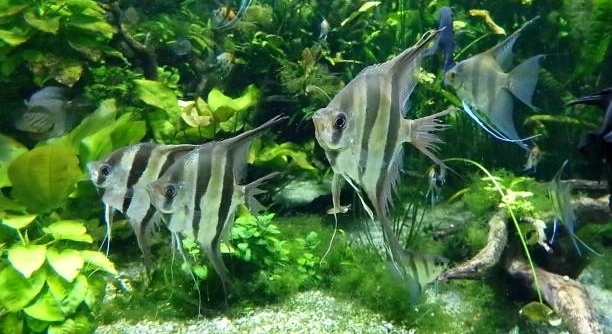
Angelfish are fascinating creatures, and many owners notice their increased activity after a water change. Understanding the reasons behind this behavior can help maintain a healthy environment for your fish.
Several factors contribute to angelfish becoming more active after a water change. The fresh water often enhances their environment, improving oxygen levels and reducing stress, which encourages increased movement. Additionally, the change in water quality may prompt natural instincts.
There are several possible explanations for this change in behavior. Exploring these will help you maintain an optimal habitat for your angelfish.
Oxygen Levels Improve
After a water change, the oxygen levels in your aquarium often improve. Fresh water typically has a higher concentration of oxygen, which can be beneficial for your angelfish. The increase in oxygen allows them to be more active, as they have better access to the necessary resources for energy and movement. The more oxygen available, the more likely your angelfish will exhibit energetic behavior.
Improved oxygen levels can make a noticeable difference in your angelfish’s activity. They are more likely to swim around and explore, as they no longer need to work as hard to get the oxygen they need.
Fish, like angelfish, are sensitive to changes in water quality. If the water is low in oxygen, their activity can decrease due to stress. A water change provides a boost, which may explain why your fish seem more lively afterward. Additionally, they might feel less threatened by poor water conditions and can engage in natural behaviors without hindrance.
Reduced Stress
Another reason why your angelfish may appear more active after a water change is the reduction in stress levels. When water quality deteriorates, fish become stressed and often retreat to darker areas of the tank. This stress can result in decreased activity or hiding.
A water change helps alleviate this stress by improving the overall environment. Fresh water with balanced parameters, such as pH and temperature, provides a healthier and more comfortable living space for your angelfish.
With reduced stress, your angelfish feel safer and more secure in their surroundings. The drop in harmful chemicals like ammonia or nitrites, which are common in a tank with poor water quality, can encourage them to swim around more. Stress is a major factor in fish behavior, and regular water changes help keep it at bay. With less stress, your angelfish can act more naturally.
Temperature Regulation
Water temperature plays a significant role in fish activity. After a water change, the temperature may stabilize, which can help regulate your angelfish’s behavior. If the tank’s temperature fluctuates too much, fish may become sluggish or stressed.
A consistent, optimal temperature range helps your angelfish feel more comfortable and energized. When water changes are done properly, maintaining a stable temperature reduces thermal stress, which is common in aquariums. This stability allows your fish to move freely without the discomfort of rapid temperature changes, promoting natural, active behaviors.
Angelfish, like other tropical species, thrive in warmer temperatures. If the water change improves temperature consistency, they may swim around more as their energy levels are restored. If your aquarium tends to get too warm or too cold, a proper water change can help keep them in a more stable environment.
Water Chemistry Balance
Water changes help to restore the balance of important elements like pH, nitrates, and hardness. Angelfish are sensitive to the quality of their environment, and unbalanced water chemistry can make them less active.
When you replace old water with fresh, you are helping to maintain or restore the ideal parameters for your fish. An environment with balanced water chemistry promotes better health and higher energy levels in your angelfish. For example, an improper pH level can cause stress, making your fish less active.
Proper water chemistry encourages natural behaviors such as swimming, exploring, and even feeding. Angelfish rely on stable conditions to thrive, and when the water chemistry is optimal, they are more likely to exhibit active behavior. Regular water changes can prevent drastic fluctuations in chemistry, keeping your fish healthy and alert.
Light Exposure
After a water change, light levels in the tank can also improve. Fresh water often allows for better light penetration, making the tank brighter. Angelfish, like many fish, respond well to proper lighting. This can make them feel more energized and encourage them to be more active in their environment.
Improved light exposure can stimulate more natural behaviors in angelfish. They may swim around more actively and explore their surroundings. A well-lit aquarium is essential for maintaining your fish’s health and encouraging normal activity patterns. Keep in mind that light intensity should be balanced to avoid overstimulation.
Water Clarity
A clean tank with clear water encourages fish activity. After a water change, the removal of debris and waste results in clearer water. Angelfish, like most fish, prefer a clean, clear environment to swim and interact with. The absence of cloudy or dirty water can make the tank feel more inviting.
Water clarity can also improve visibility, making fish feel more secure and less likely to hide. A clear tank allows them to explore without feeling threatened. Regular water changes help keep the water clear and free from harmful particles, which is key for maintaining an active fish population.
Fresh Water Smell
Fresh water often has a subtle, clean smell that may appeal to your angelfish. Older, stagnant water can develop a musty odor, which may cause fish stress. When you change the water, you eliminate these odors and provide a fresher environment. Fish are naturally attracted to cleaner surroundings.
A water change refreshes the environment, making it more comfortable for your angelfish. The cleaner environment encourages them to swim more freely, as the absence of unpleasant smells signals a healthier habitat. This can be a key factor in promoting active behaviors.
FAQ
Why do my angelfish swim around more after a water change?
Angelfish are sensitive to water quality. After a water change, the improved conditions—such as better oxygen levels, cleaner water, and balanced chemistry—encourage your fish to become more active. Fresh water can provide a boost to their energy, helping them swim more freely and explore their environment.
Does the temperature change during a water change affect angelfish?
Yes, temperature fluctuations can impact angelfish. A sudden change in temperature can cause stress. However, if the water change is done gradually and the water temperature is similar to the tank’s, it can stabilize conditions. This allows angelfish to feel more comfortable and active in the tank.
How often should I change the water in my angelfish tank?
Typically, it’s recommended to change 10-20% of the water every 1-2 weeks. However, if your tank is heavily stocked or the water quality is declining, you may need to change more frequently. Regular water changes help maintain good water quality, which keeps your angelfish healthy and active.
Can water changes help with angelfish stress?
Yes, water changes can reduce stress in angelfish. Poor water quality, such as high levels of ammonia or nitrates, can lead to stress and inactivity. By removing toxins and refreshing the water, you can help reduce stress levels, allowing your angelfish to become more active and comfortable in their environment.
Why do angelfish become more active after a water change if they were previously hiding?
Angelfish may hide due to stress from poor water quality or environmental factors. After a water change, the improvements in water conditions—such as better oxygen levels, clearer water, and stable parameters—can encourage them to feel safer and more confident. This can prompt them to swim around and engage in more natural behaviors.
Are there any risks to changing the water too frequently?
While regular water changes are important for keeping the tank clean, changing the water too often can disturb the stability of the tank’s ecosystem. Rapid changes in water parameters can cause stress. It’s crucial to monitor water conditions and adjust the frequency of water changes based on your tank’s needs.
How does water clarity affect my angelfish’s behavior?
Clear water plays an important role in the behavior of angelfish. When the water is murky, it can make the tank feel less secure and cause the fish to hide or become lethargic. Clear water enhances visibility, helping your angelfish feel more comfortable to swim around and explore. Regular water changes help maintain clarity.
Can water changes help with angelfish aggression?
Water changes can help reduce aggression by removing stressors. Poor water quality can contribute to territorial behavior and aggression in angelfish. By improving water quality, you can create a more peaceful environment that may reduce aggressive interactions. It’s also important to ensure the tank size and fish compatibility are suitable.
Why is my angelfish more energetic after I change the water?
Fresh water provides angelfish with a better environment, which boosts their energy. After a water change, the oxygen levels, temperature stability, and water clarity are often improved. These changes reduce stress, which can make your angelfish more active. Healthy water conditions encourage your fish to swim freely and explore their tank.
Does the filtration system affect how active my angelfish are after a water change?
Yes, the filtration system plays a role in maintaining water quality. If your filter is working well, it will help keep the water clean and balanced between water changes. An efficient filtration system helps reduce toxins, maintain oxygen levels, and prevent debris buildup, all of which can contribute to your angelfish being more active.
Final Thoughts
Regular water changes are crucial for maintaining a healthy environment for your angelfish. Fresh water helps improve water quality by reducing harmful substances like ammonia and nitrates. It also helps to maintain the right temperature, pH, and oxygen levels, which are vital for the well-being of your fish. A clean tank is essential for ensuring your angelfish remain active, healthy, and free from stress. Without proper water changes, the accumulation of waste and debris can harm both the fish and the ecosystem inside the tank.
While your angelfish may seem more active right after a water change, this is often a sign of improved conditions. Clearer, cleaner water and stable temperature levels make your angelfish feel more comfortable. In a healthy tank, fish will swim around more, explore, and even interact with each other. When water conditions are poor, fish may hide or become lethargic, which is a clear indication of stress. By performing regular water changes and ensuring the tank environment is stable, you can create a space where your angelfish thrive.
It’s important to find a balance when performing water changes. Too frequent changes can disrupt the tank’s ecosystem, while infrequent changes can lead to poor water quality. Keeping a consistent schedule and monitoring water parameters helps maintain stability. Along with water changes, ensuring proper filtration and tank maintenance will ensure your angelfish remain active and healthy. By paying attention to these factors, you can create the best possible environment for your angelfish to thrive and show off their natural, energetic behaviors.

Hello,
If you enjoy the content that we create, please consider saying a "Thank You!" by leaving a tip.
Every little bit helps us continue crafting quality advice that supports the health, happiness, and well-being of pets around the world, for pets of all shapes, sizes, and species.
We really appreciate the kindness and support that you show us!