
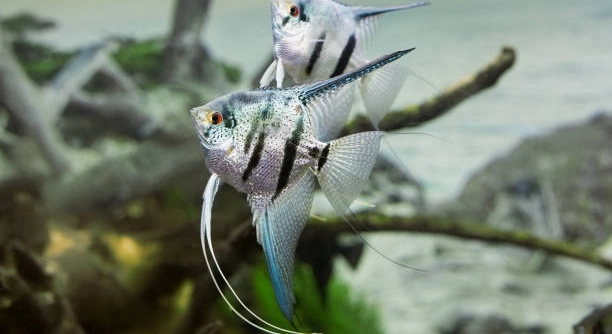
Angelfish are known for their grace and beauty in home aquariums. If you notice that your angelfish becomes more active after a water change, there might be a reason behind this sudden burst of energy.
The increased activity of your angelfish after a water change is often due to the improved water quality. Fresh water provides a healthier environment, reducing stress and encouraging natural behavior, which leads to more movement and engagement.
Understanding the reasons behind this behavior can improve the overall health of your angelfish. This insight will help you maintain a better aquarium environment for your fish in the long run.
Improved Water Quality
When the water in your aquarium is changed, it becomes cleaner and healthier for your fish. Angelfish, like many other species, are sensitive to water conditions, and they thrive in a well-maintained environment. A water change reduces toxins, such as ammonia and nitrites, that build up over time. This cleaner water can help angelfish feel more comfortable, reducing stress and allowing them to display more natural behaviors, like swimming actively.
The fresh water also replenishes oxygen levels, which can enhance the fish’s energy levels and contribute to their increased activity. This could be why your angelfish appears livelier after a water change.
Maintaining the right water conditions for your fish is key to promoting their health. Regular water changes ensure that they can live in an environment that closely resembles their natural habitat, leading to less stress and more active, happy fish. It also keeps your aquarium clean, which reduces the likelihood of algae overgrowth and other problems that could harm your angelfish.
Temperature Regulation
Fish, including angelfish, are very sensitive to temperature fluctuations. When the water changes, it can help regulate the temperature of the aquarium. Fish are cold-blooded, and their activity levels are often influenced by the surrounding water temperature.
If the water temperature in your tank drops or rises too much, it can cause stress to your fish. A water change can help stabilize the temperature, making your angelfish more comfortable. When the water is just right, your angelfish may feel more relaxed and active, swimming around with ease. Regularly checking and adjusting the tank temperature ensures a consistent and healthy environment, allowing your fish to stay active and engaged.
Increased Oxygen Levels
After a water change, oxygen levels in your aquarium typically increase. Fresh water usually contains higher oxygen content compared to old, stagnant water. This boost in oxygen helps your angelfish breathe more easily and stay active. When oxygen levels are sufficient, your fish can engage in more energetic movements.
Angelfish are particularly sensitive to oxygen levels because they naturally reside in well-oxygenated waters. If your tank’s oxygen levels are low, your fish might appear sluggish or spend more time near the surface, trying to gulp air. By changing the water, you provide a more oxygen-rich environment, allowing your angelfish to swim around with increased vitality. Keeping oxygen levels high through regular water changes is essential for their well-being.
Reduced Stress
Water changes help reduce stress in your angelfish. Poor water conditions, such as high levels of toxins or dirt, can make your fish feel unsafe or uneasy. When the water is refreshed, it eliminates harmful substances and creates a safer, more stable environment. This stability promotes relaxation, and your angelfish can go back to swimming around happily.
Angelfish, like many fish, are sensitive to stress. They may hide or swim erratically in unhealthy conditions. A clean, balanced tank with regular water changes helps them stay calm and active. A healthy environment ensures your angelfish can thrive and remain engaged, leading to a more active fish overall. Regular water changes are crucial for keeping your tank free from stress-inducing elements.
Removal of Waste Products
Water changes help remove waste products that accumulate in the tank, such as fish excrement and uneaten food. These substances can lead to poor water quality, increasing toxins like ammonia. When they are removed, the overall environment improves, allowing your angelfish to feel more comfortable and active.
Regular water changes keep the tank free from harmful waste, which can otherwise affect the health of your fish. This cleaner environment can reduce irritation to the angelfish’s skin and gills, improving overall vitality. By maintaining clean water, you ensure that your angelfish can move around more freely, without being impacted by the build-up of harmful materials.
Improved Filtration Efficiency
After a water change, the filtration system works more efficiently. A clean tank means the filter does not have to work as hard to remove debris or impurities. This leads to better water clarity, which benefits your angelfish. They will be able to swim without any obstructions or irritation from murky water.
With better filtration, your angelfish experience less stress and can breathe more freely, making them more active and engaged in their environment. A well-maintained filter ensures that the water remains clean and healthy for longer periods, further promoting the overall well-being of your fish.
Fish Health
Maintaining clean water is key to your angelfish’s health. If left untreated, poor water quality can lead to illness and discomfort. Water changes help to prevent the build-up of harmful bacteria, parasites, or other pathogens that could affect your fish. A healthy environment supports your fish’s immune system.
By performing regular water changes, you are actively ensuring that your angelfish have a clean space to live in. This leads to increased activity and better overall health. Clean water not only helps prevent disease but also keeps the fish comfortable and energetic, improving their behavior.
FAQ
Why do angelfish become more active after a water change?
Angelfish tend to become more active after a water change because the fresh water provides a cleaner, healthier environment. The removal of toxins, debris, and waste reduces stress, making the fish feel more comfortable. Improved oxygen levels also allow them to breathe easier, encouraging more movement. A clean tank allows angelfish to engage in their natural behavior without the discomfort caused by poor water quality.
How often should I change the water in my angelfish tank?
It’s recommended to change about 25-30% of the water every 1-2 weeks. This helps maintain water quality, prevent the build-up of harmful substances, and ensure that the fish stay healthy. More frequent water changes may be necessary if the tank is overstocked or if the water quality deteriorates faster. Always check the water parameters, including ammonia, nitrites, and nitrates, to gauge the ideal water change frequency.
Can a water change be harmful to my angelfish?
If done improperly, a water change can cause harm to your angelfish. Drastic changes in temperature, pH, or other water parameters can shock your fish. It’s important to ensure that the new water is at the same temperature and pH level as the tank water. Additionally, changing too much water at once can cause stress, so it’s best to change smaller portions more regularly rather than doing a large water change all at once.
How can I prevent the water from becoming dirty too quickly?
To prevent water from getting dirty too quickly, avoid overfeeding your angelfish. Overfeeding leads to excess food decomposing in the tank, contributing to poor water quality. Make sure to remove uneaten food after a few minutes. Additionally, maintain your filtration system regularly and ensure that it’s appropriately sized for your tank. You can also consider adding live plants that help absorb excess nutrients and improve the overall tank environment.
Is it necessary to use a water conditioner after a water change?
Yes, using a water conditioner is recommended after every water change. Tap water often contains chlorine or chloramine, which can be harmful to fish. A water conditioner neutralizes these harmful substances, making the water safe for your angelfish. Always follow the manufacturer’s instructions on the water conditioner to ensure the proper dosage.
Can a sudden temperature change affect my angelfish’s activity?
Yes, sudden temperature changes can stress your angelfish and cause them to become less active. Angelfish prefer stable water temperatures between 76-82°F (24-28°C). Sudden shifts in temperature, especially if the new water is too hot or cold, can shock their system, making them sluggish or causing health issues. Always check the water temperature before adding it to the tank to prevent rapid temperature fluctuations.
What can I do if my angelfish continues to be lethargic after a water change?
If your angelfish remains lethargic after a water change, first check the water parameters such as temperature, pH, ammonia, nitrites, and nitrates. Ensure that the water is clean, well-oxygenated, and at the appropriate temperature. If the water quality is fine, your angelfish could be sick, so it’s worth observing any symptoms such as abnormal swimming, discoloration, or fin damage. In such cases, consider consulting an aquarium professional or veterinarian.
How can I tell if my angelfish is stressed?
Signs of stress in angelfish include erratic swimming, hiding more than usual, rubbing against objects, clamped fins, or fading color. Stress can also cause a loss of appetite. If your angelfish shows these signs, it could be due to poor water quality, overcrowding, or incompatible tankmates. A water change can often help, but you should also assess other factors that might be contributing to the stress.
Should I remove my angelfish while changing the water?
No, it’s generally unnecessary to remove your angelfish while changing the water, as long as the change is done carefully. However, you should make sure that the water temperature is consistent, and you should avoid disturbing the fish too much. If you need to clean the substrate or perform a deep cleaning, be gentle to avoid stressing the fish.
Can I use tap water for my angelfish tank?
You can use tap water for your angelfish tank, but it’s important to treat it first. Tap water often contains chlorine or chloramine, which are harmful to fish. Using a water conditioner will neutralize these chemicals and make the water safe for your angelfish. Test the tap water for other parameters like hardness and pH to ensure it’s within a suitable range for your fish.
Final Thoughts
Water changes are essential for maintaining a healthy aquarium environment for your angelfish. They help improve water quality by removing waste, debris, and harmful substances that could affect the fish. Regular water changes also support proper filtration and oxygenation, both of which are crucial for your fish’s overall health and activity levels. Keeping a clean tank allows your angelfish to thrive, feel less stressed, and display natural behaviors.
While water changes are beneficial, it’s important to approach them carefully. Drastic changes in water parameters, such as temperature or pH, can cause stress to your angelfish. It’s best to make gradual changes and ensure the new water matches the temperature and conditions of the tank. Always use a water conditioner to neutralize harmful chemicals in tap water, and check the water parameters regularly to prevent any fluctuations that could harm your fish.
In summary, maintaining clean water is key to your angelfish’s well-being and activity. By performing regular water changes, you provide a healthier and more comfortable environment for your fish. Be mindful of the process, and ensure that the water quality remains consistent. With proper care and attention, your angelfish will stay active, healthy, and happy in their tank.

Hello,
If you enjoy the content that we create, please consider saying a "Thank You!" by leaving a tip.
Every little bit helps us continue crafting quality advice that supports the health, happiness, and well-being of pets around the world, for pets of all shapes, sizes, and species.
We really appreciate the kindness and support that you show us!