
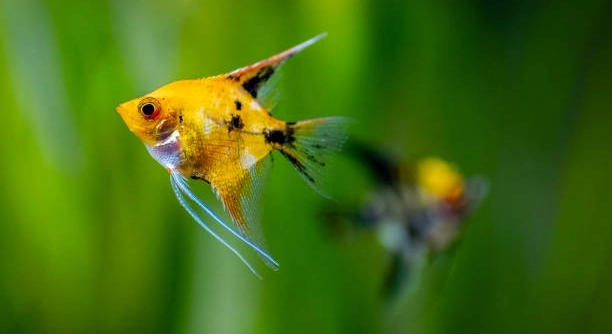
Angelfish are known for their vibrant colors and peaceful nature, but when they stop eating, it can be concerning. Several factors could lead to this behavior, and understanding these causes can help restore their health.
The main reasons your angelfish might lose its appetite include poor water quality, stress, illness, overfeeding, or changes in their environment. It’s important to address these factors promptly to prevent further health issues and encourage healthy eating habits.
Understanding the factors affecting their appetite can help you provide a better environment for your angelfish. This can lead to improved health and a happier fish in the long run.
Water Quality and its Impact
One of the most common reasons angelfish stop eating is poor water quality. Angelfish are sensitive to changes in their environment, particularly water parameters like temperature, pH, ammonia, nitrite, and nitrate levels. If the water is too polluted or not properly maintained, it can stress your fish, making them less likely to eat. Regular water changes and checking water quality are essential in keeping your angelfish healthy.
To maintain optimal water conditions, test the water at least once a week. Use a good water testing kit to monitor key factors like ammonia and pH levels. Any significant fluctuation can negatively impact their appetite and overall well-being.
If you find irregularities in water quality, it’s important to adjust the conditions accordingly. Filter maintenance and keeping the tank clean can help prevent future issues. Your angelfish will thrive in stable water conditions, improving their chances of eating well and staying healthy.
Stress from Other Fish
Sometimes, angelfish lose their appetite due to stress caused by aggressive tank mates.
If your angelfish are constantly being harassed or intimidated by other fish, they may become too stressed to eat. To avoid this, ensure your tank has enough space for each fish to establish its territory. Certain species may not get along with angelfish, so it’s essential to carefully select compatible tank mates.
Keeping your angelfish in a peaceful environment will help reduce their stress levels and encourage healthy eating. If necessary, move aggressive fish to a separate tank to provide relief.
Illness or Injury
Illness is another common reason why angelfish may lose their appetite. Various diseases, like ich or fin rot, can cause discomfort and make fish reluctant to eat. If you notice abnormal behavior, such as hiding, abnormal swimming patterns, or visible lesions, it’s important to assess their health immediately.
When angelfish are ill, they may refuse food because their bodies are too stressed to process it properly. Quarantining sick fish and treating them with the appropriate medication can help them recover faster. Maintaining proper tank hygiene and keeping stress levels low are essential in preventing infections and helping your fish get back to eating.
Proper treatment is key to getting them back to normal. If you are unsure about the illness, consult with an aquarium professional or veterinarian to find the right approach. Angelfish typically have a better chance of recovery when addressed early.
Overfeeding and Feeding Schedule
Overfeeding can lead to your angelfish losing their appetite. When fish are given too much food, the uneaten portions can pollute the water, impacting water quality and making the fish feel uncomfortable. It’s important to feed them only what they can consume in a few minutes.
Feeding on a consistent schedule also helps angelfish maintain a healthy eating routine. Fish become accustomed to regular feeding times, and deviations from that schedule may cause stress. Try offering smaller portions two to three times a day to maintain their interest in food.
If your angelfish still refuse to eat, consider reducing the amount or type of food. Experiment with live, frozen, or high-quality pellets to see what they prefer. Finding a suitable feeding routine can bring back their appetite and ensure their long-term health.
Change in Environment
Any sudden change in your angelfish’s environment can lead to a loss of appetite. Moving them to a new tank or altering the tank layout can cause stress, making them unwilling to eat. Keep the environment stable to avoid triggering this response.
Maintaining a consistent temperature and water parameters is crucial for their comfort. If changes are necessary, do them gradually to allow your angelfish time to adjust. Reassure them with familiar decorations and routines to help minimize stress and improve their chances of eating.
Poor Tank Conditions
Poor tank conditions can cause your angelfish to stop eating. Dirty tanks with high levels of waste or poor filtration systems create an unhealthy environment. Regular cleaning and tank maintenance are necessary for their well-being.
Dirty tanks can lead to high levels of ammonia and nitrates, which can stress your fish and cause them to refuse food. Make sure to clean the tank regularly and replace the water as needed. Proper filtration will help keep the water clean, and your angelfish will likely return to eating.
Temperature Fluctuations
Angelfish are sensitive to temperature fluctuations. A sudden rise or drop in water temperature can affect their metabolism, leading to a loss of appetite. Ensure the temperature is stable, ideally between 76°F and 82°F (24°C – 28°C).
Use a reliable heater and thermometer to monitor the water temperature. If your tank experiences sudden changes, such as from a heater malfunction or external environment, your fish may feel uncomfortable. Keeping the temperature stable is key to maintaining their health and encouraging regular feeding.
FAQ
What can I do if my angelfish isn’t eating?
If your angelfish isn’t eating, the first step is to check the water quality. Test for ammonia, nitrites, nitrates, and pH levels. Poor water quality is often the cause, so clean the tank and adjust the water conditions as necessary. Ensure the temperature is stable and the tank isn’t overcrowded. If the water checks out, observe your fish for signs of illness or stress. Reducing stress from other fish or tank changes can also help encourage eating.
How long can an angelfish go without eating?
Angelfish can survive without food for about 3-5 days. However, prolonged periods without eating can weaken their immune system and overall health. If your angelfish stops eating for an extended period, it’s crucial to investigate the underlying cause. Make sure to address any water quality, stress, or health issues promptly.
Can angelfish stop eating due to stress?
Yes, stress is a common reason why angelfish may refuse food. Stress can be caused by overcrowding, aggressive tank mates, sudden water changes, or changes in their environment. It’s important to maintain a peaceful tank with enough space and stable water parameters. Identifying and resolving the stressors will help restore their appetite.
Should I change the food I’m offering to my angelfish?
If your angelfish isn’t eating, changing the type of food you offer may help. Some fish are picky eaters and may prefer live, frozen, or higher-quality food. Try offering different types of food, like brine shrimp, bloodworms, or specialized angelfish pellets. Also, be mindful of the portion size to avoid overfeeding.
How do I know if my angelfish is sick?
Sick angelfish may show several signs, including a lack of appetite, abnormal swimming, discoloration, or visible lesions. Watch for erratic behavior, such as darting, rubbing against objects, or staying at the tank’s bottom. If your angelfish exhibits any of these symptoms, it’s crucial to act quickly by quarantining the fish and seeking treatment.
Can overfeeding cause my angelfish to stop eating?
Yes, overfeeding can lead to uneaten food polluting the tank, affecting water quality. This poor water condition can make your angelfish feel uncomfortable and result in a loss of appetite. It’s important to feed your fish only what they can consume within 2-3 minutes. Overfeeding also increases the risk of health problems, such as bloating or constipation.
Why does my angelfish not eat after a water change?
After a water change, angelfish may become temporarily stressed due to sudden changes in water temperature, pH, or other parameters. It’s important to make gradual adjustments to avoid shocking your fish. If your fish still doesn’t eat after the water change, check the water parameters and ensure the temperature is stable.
Is it normal for angelfish to not eat for a day or two?
It’s not uncommon for angelfish to skip meals for a day or two, especially if they are adjusting to a new environment or experiencing minor stress. However, if they continue to refuse food for more than a few days, it’s important to investigate the underlying cause, such as illness, poor water quality, or other environmental factors.
How do I make my angelfish feel more comfortable to eat?
To help your angelfish feel more comfortable eating, create a calm and stable environment. Ensure the tank has adequate hiding spots and stable water conditions. Keep the tank well-maintained, and avoid sudden changes in water temperature or tank layout. You may also consider lowering the lights or providing more privacy to reduce stress.
Can tank mates cause my angelfish to stop eating?
Yes, aggressive tank mates can cause your angelfish to stop eating. Fish that harass or chase your angelfish can cause stress, which may lead to a loss of appetite. It’s essential to choose tank mates that are peaceful and compatible with angelfish. If aggression is an issue, you may need to rearrange the tank or move aggressive fish to another tank.
Final Thoughts
When your angelfish stops eating, it’s often a sign that something is wrong with their environment or health. The first thing to check is the water quality. Poor water conditions can stress your fish, making them unwilling to eat. Regular maintenance, such as cleaning the tank, testing the water parameters, and ensuring a stable temperature, is essential for keeping your angelfish healthy. By creating a clean and stable environment, you can reduce the chances of appetite loss and prevent stress-related issues from arising.
Another key factor in getting your angelfish back to eating is checking for potential illnesses. Fish can stop eating due to physical discomfort or sickness. Look for symptoms such as unusual swimming behavior, changes in color, or visible sores on the fish. If any of these signs appear, isolating the affected fish and seeking treatment is critical. Early detection and prompt treatment will increase the chances of your angelfish recovering and getting back to a healthy feeding routine. Don’t ignore the signs of illness, as treating it early can prevent the condition from worsening.
Lastly, consider the feeding routine and tank setup. Overfeeding or changing the food type can also impact your fish’s appetite. Ensure you are feeding the right amount and type of food that suits their needs. Offering smaller, more frequent meals can also help, as it mimics their natural feeding habits. Additionally, angelfish, like many fish, can become stressed by changes in their environment. Avoid sudden changes in water temperature, tank layout, or introducing aggressive tank mates. Keeping everything stable and predictable will help your angelfish feel more secure and encourage a healthy appetite.

Hello,
If you enjoy the content that we create, please consider saying a "Thank You!" by leaving a tip.
Every little bit helps us continue crafting quality advice that supports the health, happiness, and well-being of pets around the world, for pets of all shapes, sizes, and species.
We really appreciate the kindness and support that you show us!