
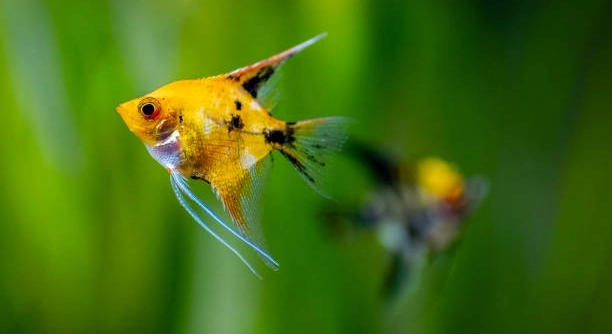
Angelfish are known for their beauty and active swimming. If you notice yours laying on its side, there may be an underlying issue. Understanding the possible causes can help you address the situation promptly.
Angelfish laying on their side is often a sign of stress, illness, or environmental problems. Factors such as poor water quality, improper temperature, or physical injury can lead to this behavior. Identifying and correcting the cause is essential for their recovery.
Addressing these causes will help restore your angelfish’s health and prevent future issues, ensuring a healthier environment for them.
Poor Water Quality
If your angelfish is laying on its side, one of the most common reasons could be poor water quality. Water that is too dirty or not properly filtered can cause stress to the fish. Ammonia, nitrites, and nitrates should be kept in check, as they can harm your fish. If these levels are high, your angelfish will likely show signs of discomfort, like resting on the bottom or lying sideways.
Checking the water quality regularly is crucial. Using a reliable test kit can help you monitor ammonia, nitrite, and nitrate levels. If the water parameters are off, perform a partial water change immediately. A clean environment is essential for your fish’s health, and maintaining proper filtration will help prevent future issues.
In addition to monitoring ammonia and nitrites, it’s important to regularly clean your tank. Algae can build up and block filters, reducing water circulation and oxygen levels. Low oxygen levels can cause your fish to become lethargic and lie on their side. Consider using a sponge filter or air stone to increase aeration. Regular water changes, combined with good filtration, will keep your fish more active and healthy.
Temperature Stress
If your angelfish is laying on its side, temperature stress might be the issue. Fish are sensitive to temperature changes, and if the water is too hot or cold, it can affect their behavior. Angelfish thrive in temperatures between 76°F and 80°F (24°C to 27°C). Temperatures outside this range can cause distress.
Temperature stress often leads to lethargy and irregular swimming patterns. It may make the fish stay at the bottom or lie on its side to conserve energy. Sudden shifts in temperature, whether from heater malfunctions or cold drafts, can cause these problems.
Overcrowding
Overcrowding can lead to stress for your angelfish. When too many fish are in a tank, resources like oxygen and space become limited. This can cause your angelfish to act lethargic or rest on its side to avoid competition.
To fix this, consider rehoming some of the fish or upgrading to a larger tank. A single angelfish requires at least 20 gallons of space. Reducing the number of fish will help improve water quality and allow more oxygen to circulate. This will also give your angelfish the room it needs to swim and stay active.
Additionally, overcrowding can increase the likelihood of diseases spreading. Stress weakens your angelfish’s immune system, making it more susceptible to illness. By providing enough space and reducing the number of fish, your tank’s environment will be much healthier. This will result in a happier, more active angelfish that won’t need to rest on its side as much.
Physical Injury
If your angelfish has suffered an injury, it may lie on its side to avoid further discomfort. Fish are prone to minor injuries from sharp objects, aggressive tank mates, or even from trying to fit into tight spaces.
Examine your angelfish for any visible signs of injury, such as missing scales, bruising, or tears in the fins. If an injury is found, remove the fish from the tank to prevent it from being bullied. Additionally, treat any wounds with aquarium-safe antibiotics to prevent infection. The tank environment should also be checked to ensure there are no sharp decorations or rough surfaces.
It’s essential to ensure the tank’s water quality is optimal when recovering from injury. Clean water aids in the healing process and reduces the risk of infection. If the injury appears severe or if the fish is not recovering, consider consulting a veterinarian for further assistance.
Swim Bladder Disorder
Swim bladder disorder can cause your angelfish to float on its side or struggle to maintain proper buoyancy. This condition affects the swim bladder, which helps fish control their position in the water. It can be caused by overfeeding or a bacterial infection.
To address this, try fasting your angelfish for a few days to see if it improves. If overfeeding caused the problem, reducing the amount of food can help. In some cases, the disorder may clear up on its own if the fish is not in severe distress. If symptoms persist, consider using a medicated treatment specifically for swim bladder issues.
If swim bladder disorder is suspected, adjusting your angelfish’s diet and water conditions will often help. Foods high in fiber, such as peas, can aid in digestion and prevent the condition from reoccurring. Keep an eye on your fish to ensure it regains its balance and does not continue to lie on its side.
Infections
Infections can also lead to an angelfish laying on its side. Bacterial, fungal, or parasitic infections can weaken the fish and affect its behavior. Symptoms often include loss of appetite, unusual swimming patterns, and lethargy.
If you notice any of these signs, it’s important to isolate the affected fish immediately. Treat the aquarium with the appropriate medication for the type of infection, whether it’s fungal or bacterial. Proper water quality and temperature should also be maintained during treatment to ensure the best recovery. A healthy, clean environment can help your angelfish heal faster and prevent further infections.
Stress
Stress is a major factor in many fish health problems, including an angelfish laying on its side. Stress can be caused by many factors, including water quality, tank mates, or environmental changes. When stressed, fish may become less active, lie on their side, or even develop physical issues.
To reduce stress, maintain consistent water quality and provide a peaceful environment. Avoid sudden changes in water temperature or the tank setup. Aggressive tank mates can also contribute to stress, so make sure your angelfish has compatible companions. A stable and stress-free environment is essential for its overall well-being.
FAQ
Why is my angelfish suddenly laying on its side?
There are several reasons why your angelfish might suddenly start laying on its side. Poor water quality is one of the most common causes. High levels of ammonia, nitrites, or nitrates can stress the fish, leading to abnormal behavior. Overcrowding in the tank can also make the environment stressful. In some cases, the fish might have a physical injury or an internal issue like swim bladder disorder. It’s crucial to check water parameters, make sure there’s enough space in the tank, and inspect the fish for injuries or signs of illness.
How can I fix poor water quality in my tank?
To fix poor water quality, start by testing the water for ammonia, nitrites, and nitrates. If any of these levels are high, perform a water change of at least 25-50% and ensure the filter is working properly. Regular water changes every week can help keep the water clean. Make sure to also clean any debris from the substrate and check if the filter needs cleaning or replacement. Using a water conditioner can help remove harmful chemicals and make the water safer for your fish.
What should I do if my angelfish is stressed?
If your angelfish is stressed, the first step is to determine the source of stress. Poor water quality, overcrowding, and aggressive tank mates are all common causes. Once the source is identified, take action to correct it. If overcrowding is an issue, consider adding a larger tank or removing some fish. If the water quality is low, perform a water change and ensure proper filtration. Reducing the number of aggressive fish or adding hiding spots can help calm the angelfish down. Keep the tank environment as stable as possible to prevent further stress.
How do I know if my angelfish has swim bladder disorder?
Swim bladder disorder affects the fish’s ability to maintain buoyancy, often causing it to float sideways or upside down. If your angelfish is struggling to stay upright or seems lethargic, it might have this condition. You can check for signs of bloating or a distended belly, which is common in swim bladder issues. If you suspect swim bladder disorder, try fasting your fish for a couple of days and then offering a small amount of blanched peas, which can help with digestion. If symptoms persist, it may require medication or further treatment.
Can physical injury cause an angelfish to lay on its side?
Yes, physical injury is a common cause of an angelfish laying on its side. Injuries from rough decorations, aggressive tank mates, or even accidents during feeding can cause your fish to become inactive or favor one side. If your fish has visible wounds or torn fins, it’s important to separate it from other tank mates to prevent further injury. Treating the injury with aquarium-safe antibiotics and keeping the water clean will help it heal. In severe cases, you may need to consult a vet or a fish specialist.
What is the best tank size for an angelfish?
The minimum tank size for one angelfish is 20 gallons, though a larger tank is always better. Angelfish need space to swim freely and establish their territory. If you plan to keep multiple angelfish or other tank mates, a 30-40 gallon tank is recommended. A larger tank also helps maintain better water quality, which is crucial for their health. It’s important to provide enough space to reduce stress and prevent overcrowding, which can lead to various health issues, including the fish laying on its side.
How often should I change the water in my angelfish tank?
It’s recommended to change 25-50% of the water in your angelfish tank every week. Regular water changes help maintain good water quality and remove harmful toxins that can build up. If you have a heavily stocked tank, you may need to change the water more often. Ensure that the water you add is conditioned to remove chlorine or chloramine. It’s also important to clean the substrate, remove uneaten food, and check the filter regularly to maintain a healthy environment for your angelfish.
What could cause my angelfish to stop eating?
A lack of appetite in your angelfish can be caused by several factors, such as stress, poor water quality, or illness. If the water parameters are off, your fish may lose interest in food. Check ammonia, nitrite, and nitrate levels, and make sure the water temperature is within the proper range. If the fish is stressed due to overcrowding or aggression from other tank mates, it might stop eating as well. Infections or internal parasites can also cause a loss of appetite. If the problem persists, consider seeking advice from a veterinarian or fish expert.
Is it normal for angelfish to lay on the bottom of the tank?
It’s not unusual for angelfish to rest at the bottom of the tank, but if they stay there for extended periods, something may be wrong. If your angelfish is lying at the bottom for long periods, it could be due to poor water quality, stress, or illness. Check the water conditions and ensure they are within the appropriate range. If the tank has aggressive tank mates, this could also cause the angelfish to stay on the bottom. If no other obvious cause is identified, further investigation into possible health issues or infections is needed.
How can I prevent my angelfish from getting sick?
To prevent your angelfish from getting sick, ensure that the tank environment is always clean and stable. Regular water changes, proper filtration, and checking water parameters will keep harmful toxins at bay. Avoid overcrowding and ensure the tank mates are compatible with your angelfish. Feed your fish a balanced diet of high-quality flakes or pellets, and avoid overfeeding. Providing a stress-free environment with plenty of hiding spots and plants will help reduce the chances of illness. If you notice any changes in behavior or appearance, act quickly to prevent the spread of disease.
Final Thoughts
Angelfish are generally peaceful and hardy fish, but like any aquarium species, they can face health issues that may cause them to lay on their side. When this happens, it’s important to identify the cause as soon as possible. Poor water quality, stress, infections, or swim bladder disorders are some of the most common reasons for this behavior. By addressing the underlying issue, you can help your angelfish recover and prevent similar problems in the future. Regular water testing and maintenance are essential in keeping your tank environment safe and healthy.
Managing stress is also a crucial aspect of keeping angelfish healthy. They are sensitive to sudden changes in their environment, such as fluctuations in water temperature, overcrowding, or the presence of aggressive tank mates. Providing a calm and stable environment can significantly reduce stress-related health issues. Adding plants or hiding spots can also give your angelfish a sense of security, helping them feel more comfortable in their tank. By maintaining a peaceful environment and monitoring their behavior closely, you can reduce the likelihood of your angelfish laying on its side due to stress.
Lastly, always be proactive when it comes to fish health. If you notice any changes in your angelfish’s behavior or appearance, such as laying on its side or becoming lethargic, it’s important to take quick action. Investigating the water quality, adjusting the diet, and ensuring the tank environment is stress-free can help address many issues early on. If symptoms persist or worsen, consulting a veterinarian or a fish specialist might be necessary. Taking these steps will not only help your angelfish recover but will also contribute to the overall health and longevity of your aquarium.

Hello,
If you enjoy the content that we create, please consider saying a "Thank You!" by leaving a tip.
Every little bit helps us continue crafting quality advice that supports the health, happiness, and well-being of pets around the world, for pets of all shapes, sizes, and species.
We really appreciate the kindness and support that you show us!