
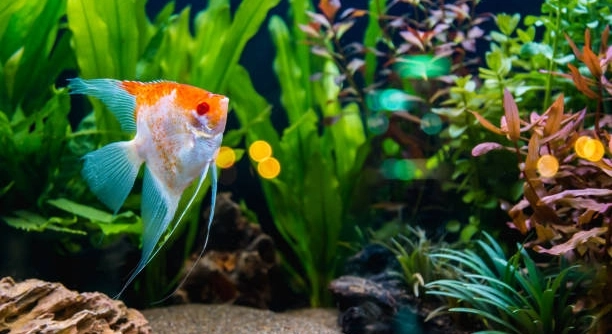
Is your angelfish spending more time swimming around the tank than reacting to its reflection in the glass?
The most likely reason your angelfish is ignoring its reflection is due to a lack of perceived threat. Angelfish often respond to reflections when they feel territorial or stressed, and a calm environment can reduce this behavior.
Learning why your angelfish behaves this way can help you create a more comfortable and enriching space for them.
It Doesn’t Feel Threatened
Angelfish sometimes ignore their reflections simply because they don’t see them as a threat. These fish can become territorial, especially in smaller tanks, but when they feel safe and relaxed, they don’t react to the image. Reflections are usually only an issue when a fish is stressed or agitated. If your angelfish is healthy, eating well, and swimming calmly, it likely doesn’t feel the need to defend its space. The reflection may just appear as part of the background, blending in like any other object in the tank. Fish react more to movement, and if the reflection isn’t moving in a way that feels aggressive, your angelfish might not care at all. Peaceful tank conditions, stable water parameters, and a proper diet can all lead to this behavior. It’s actually a good sign—it means your fish is at ease and not experiencing unnecessary stress from its surroundings.
This behavior is natural and not something to worry about.
Many angelfish owners expect constant interaction or aggression toward reflections, but that’s not always how it works. Fish behavior is based on instinct and comfort. If your angelfish is ignoring its reflection, it’s likely responding in a healthy, calm way. Observing this helps you better understand your fish’s mood and behavior.
It Recognizes the Reflection Isn’t Real
Sometimes angelfish appear to realize that the reflection in the glass is not another fish.
This can happen after repeated exposure. If your angelfish once reacted to its reflection but stopped over time, it may have simply learned there is no real fish there. Some fish, while not capable of deep thinking, can become used to their surroundings and learn patterns. This recognition leads to less reaction and more relaxed swimming. Your angelfish might have tried to challenge the reflection before, seen that it doesn’t move independently or pose a threat, and now ignores it. This is more common in tanks with consistent lighting, clean glass, and a routine setup. If the environment doesn’t change much, your angelfish could become familiar with its surroundings, including its reflection. This shows a level of adaptation that helps keep the fish calm. Over time, familiarity replaces stress, and the reflection becomes just another part of the tank environment.
The Tank Setup Is Reducing Reflections
Tank lighting, background color, and placement can all affect how clear a reflection appears. If the glass doesn’t reflect well, your angelfish might not even notice it.
If your tank is placed in a spot with soft lighting or darker surroundings, reflections may be barely visible. A dark tank background or nearby plants can reduce glare and make the glass appear more like a solid wall. This can prevent your angelfish from reacting to its reflection because it doesn’t really see it. Additionally, if the tank light is too bright inside but dim outside the glass, the reflection may fade or shift based on the angle. Angelfish are sensitive to lighting and movement, and a low-contrast reflection might not catch their attention. Rearranging the tank or using different lighting can change how the reflection looks, which may bring a change in your fish’s response to it.
Some aquariums are intentionally set up to minimize stress, which can reduce reflection interaction. If your tank has floating plants or solid decorations near the sides, reflections are less likely to show up clearly. A background image or colored backing can also block mirrored images. Many setups are designed this way on purpose to keep fish relaxed. Your angelfish may be enjoying a more peaceful tank, where mirrored images don’t trigger a reaction. This is especially common in community tanks where aggression isn’t encouraged. So if you notice your fish ignoring its reflection, it could be a result of thoughtful aquarium design and good placement, helping your angelfish feel more secure overall.
It’s Still Adjusting to Its Environment
New angelfish often ignore reflections as they get used to their surroundings. During this adjustment period, they focus more on exploring than reacting to their reflection.
When first introduced to a tank, angelfish may need time to understand what’s around them. They usually spend the first few days swimming around, checking out plants, hiding places, and food. During this phase, their reflection might not register as something important. It’s also common for them to behave cautiously. If your fish is still finding its way around or getting comfortable with the lighting, water flow, or other tank mates, a reflection might not be something it sees as worth reacting to. Once it feels more confident, it might start showing more interest in things like its reflection. Some fish will never bother with it, but others could become curious after settling in fully. Give it time to adjust.
It’s Not in a Territorial Mood
Angelfish tend to react to reflections when they feel the need to defend their space. If your fish isn’t showing territorial signs, it likely sees no reason to respond.
A calm fish that doesn’t see competition in the tank may not show aggression. This is normal behavior.
It Has Tank Mates to Focus On
When housed with other fish, angelfish often pay more attention to real tank mates than to reflections. Interaction with live fish feels more immediate and important. The reflection might seem less threatening in comparison. If your angelfish is busy watching or swimming with others, it won’t be as focused on the glass. Social dynamics inside the tank often take priority. This is especially true in peaceful setups where the fish aren’t competing. You might notice more reflection interaction in solitary angelfish or those kept in minimal setups. The presence of others gives your fish more natural stimulation and less interest in its mirrored image.
It Simply Lost Interest
Angelfish can get bored with things they’ve seen too often. Once the reflection becomes familiar, it may no longer grab their attention.
FAQ
Why did my angelfish used to react to its reflection but doesn’t anymore?
This usually happens when the angelfish gets used to the reflection. At first, it may have thought it was another fish, which triggered a territorial response. Over time, your angelfish likely learned that the reflection doesn’t move independently or pose a threat. Once that happens, the excitement fades, and the reflection becomes just another part of the background. Some fish also lose interest as they grow older or more secure in their environment. It’s a natural change in behavior and doesn’t mean anything is wrong.
Is it bad if my angelfish doesn’t react to its reflection?
No, it’s not bad at all. In fact, it can be a sign that your angelfish feels calm and unbothered in its environment. Reacting to a reflection is often tied to stress, confusion, or territorial behavior. When those instincts aren’t triggered, your angelfish may just ignore the reflection. A relaxed, well-fed, and healthy fish doesn’t always feel the need to defend its space, especially if it has no reason to think there’s a threat. Ignoring its reflection is a normal and harmless behavior.
Should I change the tank setup to make the reflection more noticeable?
There’s usually no need to make reflections more noticeable. Angelfish do best in calm, stable environments. Trying to trigger a reaction for entertainment could stress the fish. If your tank is already balanced, with proper lighting and good décor, it’s better to leave it as is. Fish don’t need to interact with their reflection for stimulation. Instead, providing variety through live plants, occasional rearranging, or safe tank mates is a healthier way to engage your angelfish.
Can ignoring reflections mean my angelfish is sick or depressed?
It’s possible, but not likely. You should check for other signs first. If your angelfish is eating, swimming normally, and not hiding excessively, it’s probably fine. Fish that are sick or stressed often show more obvious signs—like clamped fins, erratic swimming, or color changes. Simply ignoring a reflection isn’t enough to say something is wrong. If you’re unsure, checking your water quality and watching for other changes in behavior can help rule out health issues.
Do all angelfish react to their reflection the same way?
No, not all angelfish respond the same. Some are naturally more aggressive or curious, while others are calm or timid. Personality plays a role, even in fish. Tank conditions, past experiences, and even genetics can shape how an angelfish responds. Some may never care about their reflection, and others might only react during certain moods or phases. It’s helpful to get familiar with your fish’s usual behavior so you can notice any real changes.
Is it possible my angelfish can’t see the reflection clearly?
Yes, sometimes reflections just aren’t strong enough for the fish to notice. Tank lighting, water clarity, and the position of the tank all affect how visible a reflection is. If the room around the tank is dark, or if the glass is covered with algae or backed by decorations, reflections might be faint or missing entirely. Clean glass, direct light, and clear water can make reflections more obvious, but again, there’s no need to force this unless you’re trying to understand behavior.
How can I tell if my angelfish is reacting to its reflection?
Look for signs of aggression like flared fins, sudden swimming toward the glass, or pacing along one side. These behaviors usually show the angelfish thinks it sees another fish. If your angelfish is ignoring the reflection, it will swim past it without reacting or may only glance toward the glass briefly. Some fish may even nip or bump the glass if they feel defensive. Watch how your fish acts over time—consistent patterns will give you the clearest picture.
Final Thoughts
Angelfish are unique in how they interact with their environment. If yours is ignoring its reflection, it’s usually not a problem. This behavior often means the fish is relaxed, calm, and doesn’t feel the need to be territorial. Some angelfish may react to their reflection at first, then lose interest over time. Others may never respond to it at all. Every fish is a little different, and their behavior can change based on their mood, surroundings, and tank setup. Watching your fish and getting to know its habits can help you understand what’s normal for it.
There are many small reasons why an angelfish might not react to its reflection. It could be due to lighting, tank layout, or the fish simply recognizing that the reflection isn’t real. It might also be more focused on its tank mates or still adjusting to a new environment. These are not signs of a problem, just natural parts of fish behavior. If the angelfish is healthy, swimming smoothly, and eating as usual, there’s usually no need to worry. Ignoring a reflection is common, and many fish owners see this at some point. It’s just one part of how angelfish respond to the space around them.
What matters most is that your angelfish is in a stable, clean, and peaceful tank. Fish that are not stressed tend to act in more relaxed ways, and ignoring a reflection is a great example of that. If you’ve ruled out any health issues and your fish seems content, this behavior can be seen as a good sign. It means your setup is working and giving your angelfish the comfort it needs. Still, it’s always helpful to observe any changes and stay aware of how your fish behaves over time. Simple signs, like how it swims or eats, often tell you more than a reflection ever will.

Hello,
If you enjoy the content that we create, please consider saying a "Thank You!" by leaving a tip.
Every little bit helps us continue crafting quality advice that supports the health, happiness, and well-being of pets around the world, for pets of all shapes, sizes, and species.
We really appreciate the kindness and support that you show us!